If you regularly wake up with a dry, sticky feeling in your mouth - sometimes with bad breath or a sore throat it’s more than just an annoyance. Morning dry mouth (also called xerostomia) can be a clue about hydration, breathing patterns, medications, or underlying health conditions.
Most causes are manageable. The key is recognizing patterns and addressing the root.
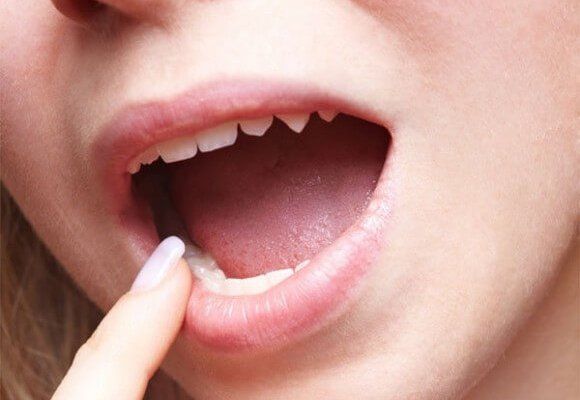
🧠 What Happens During Dry Mouth?
Saliva keeps your mouth comfortable and protected. It:
- Lubricates tissues
- Helps digestion begin
- Controls bacteria
At night, saliva production naturally drops. If something further reduces saliva—or dries the mouth—you’ll feel it when you wake up.
⚠️ Common Reasons You Wake Up with Dry Mouth
😴 1. Mouth Breathing During Sleep
This is one of the most common causes.
Why it happens:
- Nasal congestion
- Habitual mouth breathing
- Structural issues in the airway
Clues:
- Dry lips and throat
- Snoring
- Waking up thirsty
🌙 2. Snoring or Sleep Apnea
Conditions like Obstructive Sleep Apnea can lead to mouth breathing and disrupted airflow.
Watch for:
- Loud snoring
- Pauses in breathing during sleep
- Daytime fatigue
This is important to evaluate if suspected.
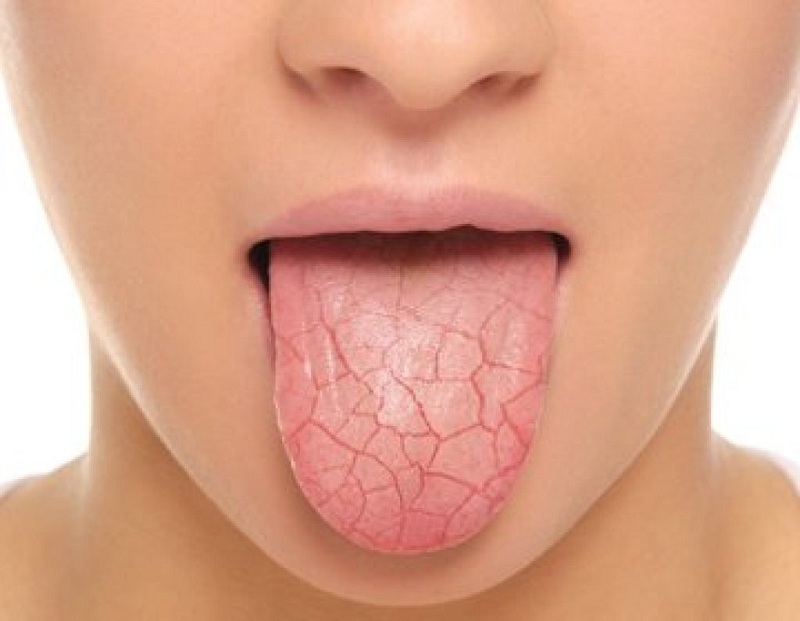
💊 3. Medications
Many common medications can reduce saliva production.
Examples:
- Antihistamines
- Antidepressants
- Blood pressure medications
If dry mouth started after a new medication, this could be the cause.
💧 4. Dehydration
Not drinking enough fluids during the day - or losing fluids (heat, exercise) can show up at night.
Clues:
- Dark urine
- Thirst
- Fatigue
🧂 5. High Salt Intake
Eating salty foods before bed can increase thirst and dryness.
🦷 6. Oral Health Issues
Gum disease or poor oral hygiene can contribute to dryness and bad breath.
🧬 7. Underlying Health Conditions
Certain conditions can affect saliva production.
Examples:
- Diabetes
- Autoimmune disorders
If dry mouth is persistent and severe, it’s worth checking.
🚨 Why You Should Pay Attention
Chronic dry mouth isn’t just uncomfortable—it can lead to:
- Tooth decay
- Gum problems
- Bad breath
- Difficulty swallowing
Saliva is essential for oral protection.
🛠️ How to Reduce Morning Dry Mouth
✔️ Stay Hydrated
Drink enough water throughout the day—not just before bed.
✔️ Improve Nasal Breathing
- Treat congestion
- Use a humidifier if air is dry
✔️ Adjust Sleeping Environment
- Avoid overly dry rooms
- Keep air circulation balanced
✔️ Limit Alcohol and Caffeine at Night
Both can worsen dehydration.
✔️ Maintain Oral Hygiene
Brush, floss, and consider alcohol-free mouthwash.
✔️ Review Medications
If needed, discuss side effects with a healthcare provider.
🧠 What Your Body Might Be Signaling
Morning dry mouth may reflect:
- Poor hydration habits
- Sleep-related breathing patterns
- Medication effects
- Early signs of a health imbalance
It’s not random - it’s feedback.

💡 Final Thoughts
Waking up with a dry mouth occasionally is normal. But if it happens regularly, your body may be pointing to something that needs adjustment - often something simple, like hydration or breathing.
The goal isn’t to worry - it’s to notice, understand, and respond.
Because sometimes, small symptoms are the earliest clues your body gives before bigger problems appear.