Have you ever woken up in the middle of the night or first thing in the morning and noticed something unusual about your body?
Maybe your clothes or sheets are unexpectedly soaked with sweat. Or perhaps you wake up gasping, choking, or feeling as though you couldn't breathe properly while sleeping.
These experiences can be easy to dismiss.
You might blame a warm bedroom, a stressful day, an uncomfortable pillow, or simply a bad night's sleep.
And sometimes, those explanations are exactly right.
But when certain symptoms happen repeatedly, especially without an obvious explanation, they may deserve closer attention.
Two unusual signs that can occur during sleep are repeated night sweats and waking up gasping, choking, or struggling to breathe. Neither automatically means that something is seriously wrong, but both can have a range of possible causes.
Understanding the patterns can help you decide when a symptom is probably harmless and when it deserves a conversation with a healthcare professional.
:format(webp)/kho_tho_khi_ngu_la_gi_dau_hieu_canh_bao_khong_nen_bo_qua_1_cf8dbc77a8.png)
1. Waking Up Drenched in Sweat
Sweating during sleep isn't necessarily abnormal.
Your body naturally regulates its temperature throughout the night. If your bedroom is hot, you're using heavy blankets, or you're wearing warm pajamas, sweating may simply be your body's response to the environment.
But there is a difference between being slightly sweaty and experiencing repeated, unexplained night sweats.
If you regularly wake up with your pajamas or bedding soaked even though the room is comfortably cool, it's worth paying attention.
What Can Cause Night Sweats?
There are many possible explanations.
One common factor is hormonal changes.
Hormonal fluctuations can affect the body's temperature regulation and may contribute to episodes of nighttime sweating. This can happen during menopause and perimenopause, for example.
Stress and anxiety can also influence sweating and sleep.
Certain medications may cause increased sweating as a side effect. Mayo Clinic notes that medications such as some antidepressants, hormone treatments, and certain pain-relieving or fever-reducing medicines can be associated with night sweating.
Alcohol and some recreational substances can also influence sweating and sleep quality.
Infections are another possible cause.
When your immune system is responding to an infection, changes in body temperature can sometimes lead to sweating during the night.
However, persistent night sweats can occasionally occur alongside other medical conditions, which is why the overall pattern matters.
When Should Night Sweats Get Your Attention?
One isolated episode isn't usually a reason to panic.
Maybe you slept under a heavy blanket.
Maybe the heating was turned up.
Maybe you had a stressful dream.
The concern becomes greater when night sweats are persistent, unexplained, and accompanied by other symptoms.
Pay particular attention if you also experience:
-
Unexplained weight loss
-
Persistent fever
-
Chills
-
Persistent cough
-
Significant fatigue
-
Swollen lymph nodes
-
Ongoing pain
-
Changes in your general health
These symptoms don't point to one specific diagnosis.
They simply mean there may be a reason to speak with a healthcare professional rather than assuming the sweating is caused by your bedroom temperature.
2. Waking Up Gasping, Choking, or Feeling Short of Breath
The second sign can be even more alarming.
Imagine falling asleep normally and then suddenly waking up feeling as though you can't get enough air.
You may gasp for breath.
You may feel like you're choking.
You may sit upright instinctively.
Your heart may be beating rapidly.
After a few seconds or minutes, your breathing returns to normal and you fall asleep again.
If this happens repeatedly, don't simply assume it is a strange dream.
One possible explanation is obstructive sleep apnea.
What Is Obstructive Sleep Apnea?
Obstructive sleep apnea is a sleep disorder in which the upper airway repeatedly becomes blocked or narrowed during sleep.
When the airway becomes obstructed, breathing can temporarily stop or become significantly reduced.
The brain responds by partially waking the person so that normal breathing can resume.
These awakenings may be so brief that the person doesn't remember them the next morning.
But they can happen repeatedly throughout the night.
According to the National Heart, Lung, and Blood Institute, sleep apnea can cause symptoms such as loud snoring, pauses in breathing during sleep, gasping for air, daytime sleepiness, and morning headaches.
The person experiencing the episodes may not always realize that they are happening.
Sometimes a bed partner notices the problem first.
Snoring Doesn't Always Mean Sleep Apnea
This is an important distinction.
Many people snore without having sleep apnea.
Snoring can happen because the tissues in the throat vibrate as air moves through a narrowed airway.
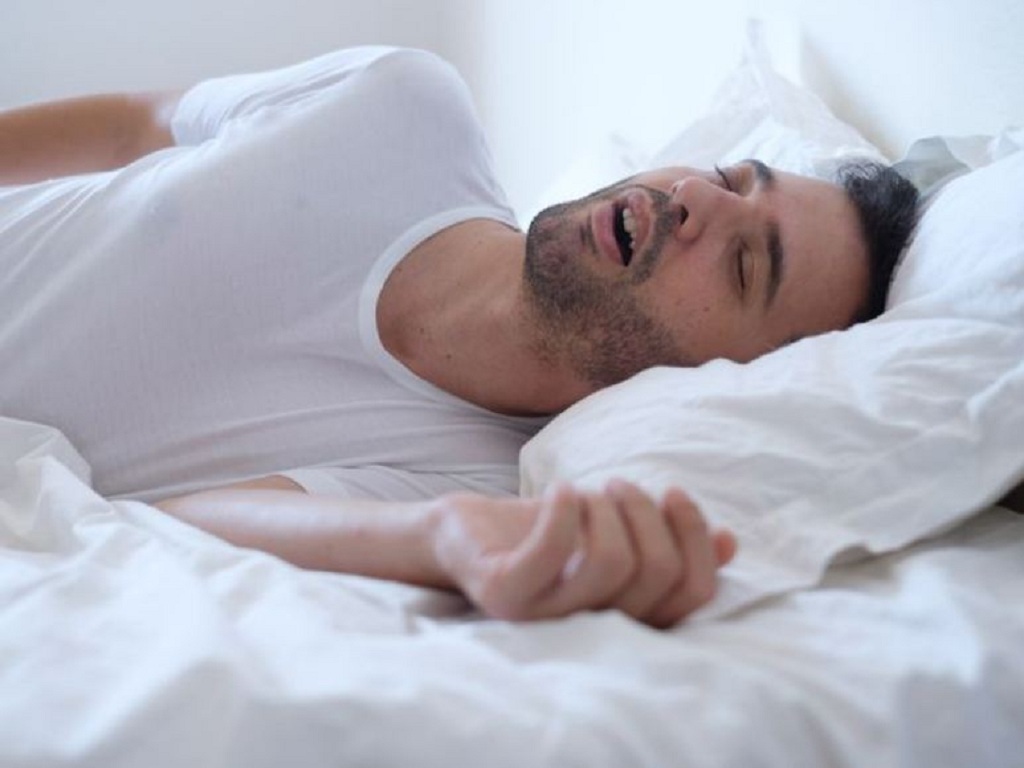
However, loud habitual snoring combined with gasping, choking, or observed pauses in breathing is more concerning.
If someone tells you:
"You stop breathing while you're asleep."
that's information worth taking seriously.
Likewise, if you frequently wake up suddenly gasping for air, consider discussing it with a healthcare professional.
Why Sleep Apnea Matters
Sleep isn't simply a period when your body shuts down.
During healthy sleep, your body carries out important restorative processes.
Repeated interruptions to breathing can interfere with normal sleep architecture and oxygen regulation.
Over time, untreated sleep apnea has been associated with several health problems, including high blood pressure and cardiovascular disease.
It can also cause significant daytime sleepiness.
That matters because excessive sleepiness can affect concentration, reaction time, mood, work performance, and driving safety.
Someone may think they're simply "not a morning person" when the real issue is that their sleep is repeatedly being disrupted.
Morning Headaches Can Be Another Clue
Some people with sleep-disordered breathing wake up with headaches.
A morning headache isn't specific to sleep apnea, however.
It can have many possible causes, including dehydration, migraine, teeth grinding, poor sleep position, alcohol, or other sleep problems.
But when morning headaches occur together with loud snoring, gasping, choking, or significant daytime sleepiness, the combination is worth mentioning to a healthcare professional.
What About Waking Up With a Racing Heart?
Suddenly waking with a racing heartbeat can be frightening.
There are many possible explanations.
A vivid dream or nightmare can trigger a surge of adrenaline.
Stress and anxiety can also produce a rapid heartbeat.
Caffeine, alcohol, certain medications, and other factors can influence heart rate.
But nighttime episodes of rapid heartbeat can also occur in association with sleep disorders or heart rhythm problems.
If these episodes happen frequently, last a long time, or occur with chest pain, fainting, severe shortness of breath, or other concerning symptoms, seek medical evaluation promptly.
Could These Symptoms Simply Be Stress?
Absolutely.
Stress can affect sleep in surprisingly powerful ways.
A stressful period may lead to vivid dreams, nightmares, sweating, increased heart rate, and frequent awakenings.
Anxiety can also create a sensation of breathlessness or a sudden feeling of panic during the night.
Some people experience nocturnal panic attacks, in which they wake suddenly with intense fear and physical symptoms such as sweating, racing heart, trembling, or shortness of breath.
But there's an important principle to remember:
Don't automatically assume every nighttime symptom is anxiety.
If something keeps happening, especially if it is new or getting worse, it's reasonable to have it evaluated.
Keep a Simple Sleep Symptom Journal
One of the easiest ways to understand what's happening is to track the pattern.
You don't need an expensive device.
For one or two weeks, write down:
What time did you go to bed?
What time did you wake up?
Did you wake up sweating?
Did you wake up gasping or choking?
Did anyone notice pauses in your breathing?
Did you have a headache in the morning?
Did you feel unusually tired during the day?
Did you drink alcohol or caffeine late in the day?
Were you sick or experiencing unusual stress?
This information can help you identify patterns and give your healthcare professional a much clearer picture.
Look at Your Sleep Environment Too
Before assuming that nighttime sweating or discomfort is caused by a medical condition, consider the environment.
Is your bedroom too warm?
Are you using heavy blankets?
Are your pajamas made from material that traps heat?
Is your mattress retaining heat?
Are you consuming alcohol shortly before bedtime?
Are you exercising intensely immediately before sleep?
Simple environmental or lifestyle factors can sometimes explain nighttime sweating.
Similarly, nasal congestion, allergies, sleeping position, or temporary respiratory problems can affect nighttime breathing.
But if symptoms continue despite addressing obvious triggers, don't ignore them.
When Should You Talk to a Doctor?
Consider making an appointment if you regularly experience:
-
Unexplained night sweats
-
Repeated episodes of waking up gasping or choking
-
Loud, persistent snoring
-
Witnessed pauses in breathing
-
Severe daytime sleepiness
-
Repeated morning headaches
-
Frequent nighttime awakenings
-
Unexplained weight loss
-
Persistent fever
-
Ongoing shortness of breath
-
Recurrent nighttime heart palpitations
A healthcare professional can evaluate the full picture rather than focusing on one symptom.
If sleep apnea is suspected, you may be referred for a sleep evaluation or sleep study.
Don't Ignore Emergency Warning Signs
Most nighttime sweating or occasional awakening isn't an emergency.
However, certain symptoms require immediate attention.
Seek emergency medical help if you experience severe or sudden difficulty breathing, chest pain or pressure, fainting, severe confusion, blue or gray lips or skin, or other symptoms that feel life-threatening.
Don't try to diagnose the cause yourself when symptoms are severe.
Your Sleep Can Reveal More Than You Think
Sleep is one of the few times when you're not consciously monitoring your body.
That's why unusual symptoms that repeatedly appear during sleep can sometimes provide useful clues.
Waking up sweaty doesn't automatically mean you have a serious disease.
Waking up gasping doesn't automatically mean you have sleep apnea.
And a racing heart doesn't automatically mean you have a heart problem.
But repeated symptoms deserve context.
Look at when they happen.
Look at what happens alongside them.
Consider your medications, lifestyle, sleep environment, and overall health.
And if something keeps happening without an obvious explanation, talk to a qualified healthcare professional.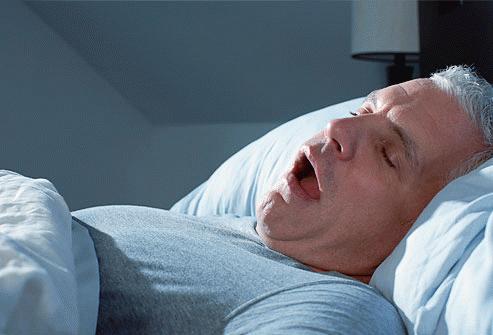
The Bottom Line
Your body doesn't always communicate through obvious daytime symptoms.
Sometimes, the clues appear while you're asleep.
Repeated, unexplained night sweats may have many possible causes, from environmental factors and hormonal changes to medications, infections, and other medical conditions.
Repeated waking with gasping, choking, or difficulty breathing can be a sign of sleep-disordered breathing such as obstructive sleep apnea, particularly when accompanied by loud snoring, witnessed breathing pauses, morning headaches, or excessive daytime sleepiness.
Neither symptom should be used to diagnose yourself.
Instead, think of them as signals worth paying attention to.
Because a good night's sleep isn't just about feeling rested the next morning.
It can also provide valuable information about what's happening inside your body.