Your legs depend on a healthy circulatory system to deliver oxygen and nutrients to muscles and tissues. Good blood flow also helps carry waste products away from working tissues and supports normal healing and temperature regulation.
When circulation is poor, some people may notice symptoms such as cold feet, numbness, tingling, leg discomfort, swelling, or changes in skin color. However, these symptoms can have many different causes, and persistent circulation problems should not be diagnosed through diet alone.
Food can still play an important role. A diet rich in vegetables, fruits, whole grains, fish, nuts, seeds, and other minimally processed foods can support cardiovascular health, blood pressure, cholesterol levels, and healthy blood vessels.
Here are 12 foods that can be part of a circulation-friendly eating pattern.
1. Fatty Fish
Salmon, sardines, mackerel, trout, and herring are rich in omega-3 fatty acids, particularly EPA and DHA.
Omega-3 fats have been extensively studied for their relationship with cardiovascular health. Eating fish regularly can be part of a heart-healthy dietary pattern.
Healthy blood vessels are essential for maintaining good circulation throughout the body, including the legs.
Easy ways to eat more fish
Try:
-
Grilled salmon with vegetables
-
Sardines on whole-grain toast
-
Baked trout with herbs
-
Mackerel with a fresh salad
For many adults, incorporating fish into meals regularly can be a useful alternative to foods higher in saturated fat.
2. Berries
Blueberries, strawberries, raspberries, and blackberries are packed with colorful plant compounds called polyphenols, including anthocyanins in many dark-colored berries.
They also provide:
-
Fiber
-
Vitamin C
-
Folate
-
Other antioxidants
Research has investigated berries and their polyphenols for potential effects on cardiovascular health and blood-vessel function.
Try adding berries to:
-
Oatmeal
-
Plain yogurt
-
Smoothies
-
Whole-grain cereal
-
Salads
Choose whole berries rather than sugary berry-flavored drinks or desserts.
3. Leafy Green Vegetables
Spinach, kale, collard greens, lettuce, and other leafy vegetables provide a variety of nutrients that support overall cardiovascular health.
Many leafy greens are particularly rich in nitrates.
The body can convert dietary nitrate into compounds involved in nitric oxide pathways. Nitric oxide plays an important role in blood-vessel relaxation.
Leafy greens also provide:
-
Folate
-
Vitamin K
-
Magnesium
-
Fiber
-
Carotenoids
Adding a handful of greens to meals is an easy way to increase your intake of plant foods.
4. Beets
Beets are another food naturally rich in dietary nitrates.
Research has examined beetroot and beetroot juice in relation to blood pressure and exercise performance, partly because nitrate can contribute to nitric oxide production.
Healthy blood-vessel function is important for circulation.
You can enjoy beets:
-
Roasted
-
Steamed
-
In salads
-
Blended into soups
-
As part of a vegetable bowl
Keep in mind that beetroot juice can contain a concentrated amount of natural sugars and may not provide the same fiber as whole beets.
5. Garlic
Garlic contains sulfur-containing compounds that have been extensively studied for potential cardiovascular effects.
Some research suggests that garlic preparations may modestly influence blood pressure and certain cardiovascular risk factors.
Garlic is also an easy way to add flavor without relying heavily on salt.
Try adding fresh garlic to:
-
Vegetables
-
Fish
-
Soups
-
Beans
-
Whole-grain dishes
-
Homemade sauces
Garlic isn't a substitute for blood-pressure medication, but it can be part of a heart-friendly diet.
6. Citrus Fruits
Oranges, grapefruit, lemons, limes, and other citrus fruits provide vitamin C, fiber, and various flavonoids.
Vitamin C contributes to normal collagen formation and antioxidant protection, while citrus flavonoids have been investigated for their potential effects on vascular health.
Whole citrus fruits are generally preferable to sugary fruit drinks because they provide more fiber and tend to be more filling.
Simple options
Have an orange as a snack, add lemon to water, or use citrus juice and zest to flavor vegetables and fish.
Important: Grapefruit can interact with certain medications. If you take prescription medication, check whether grapefruit is appropriate for you.
7. Avocados
Avocados are rich in monounsaturated fats, along with fiber, potassium, and other nutrients.
Replacing some foods high in saturated fat with sources of unsaturated fat can support a healthier cardiovascular profile.
Avocados can be added to:
-
Salads
-
Whole-grain toast
-
Grain bowls
-
Eggs
-
Vegetable sandwiches
They're calorie-dense, so portion size still matters if you're managing your weight.
8. Nuts
Almonds, walnuts, pistachios, and other nuts provide:
-
Unsaturated fats
-
Fiber
-
Magnesium
-
Plant protein
-
Various antioxidant compounds
Regular consumption of nuts has been associated with favorable cardiovascular outcomes in observational research and dietary studies.
A small handful of unsalted nuts can make a convenient snack.
Walnuts are particularly notable because they contain plant-based omega-3 fatty acids called ALA.
9. Dark Chocolate
Yes, chocolate can fit into a circulation-friendly diet—but the type matters.
Dark chocolate and cocoa contain flavanols, plant compounds that have been studied for their potential effects on endothelial function.
The amount of cocoa flavanols varies significantly among products.
Milk chocolate and many chocolate desserts can contain substantial amounts of added sugar and saturated fat.
If you enjoy dark chocolate, choose a product with a relatively high cocoa content and keep portions modest.
Think of it as an occasional addition, not a treatment for poor circulation.
10. Whole Grains
Oats, barley, brown rice, quinoa, and whole-grain bread provide fiber and other nutrients.
Fiber is particularly valuable for cardiovascular health because certain types can help support healthy cholesterol levels.
A diet emphasizing whole grains instead of highly refined carbohydrates may also support better metabolic health.
Try these swaps
Instead of:
White bread → whole-grain bread
Refined breakfast cereal → oatmeal
White rice every meal → occasionally brown rice or another whole grain
Small changes can add up over time.
11. Tomatoes
Tomatoes provide vitamin C, potassium, and a carotenoid called lycopene.
Lycopene has antioxidant properties and has been studied in relation to cardiovascular health.
Interestingly, cooking tomatoes can increase the availability of lycopene, particularly when consumed with a small amount of healthy fat.
Try:
-
Tomato soup
-
Roasted tomatoes
-
Tomato-based sauces
-
Fresh tomato salad
-
Tomatoes with olive oil and herbs
Fresh and cooked tomatoes can both be part of a healthy diet.
12. Extra-Virgin Olive Oil
Extra-virgin olive oil is a major component of Mediterranean-style eating patterns.
It provides primarily monounsaturated fat along with various plant compounds.
Mediterranean-style diets have been associated with cardiovascular benefits, and olive oil is one of their key sources of fat.
Use it in moderation for:
-
Salad dressing
-
Roasted vegetables
-
Fish
-
Whole grains
-
Bean dishes
Replacing butter or other sources of saturated fat with unsaturated fats can be a useful dietary strategy.
Why These Foods May Matter for Your Legs
The health of your legs is closely connected with the health of your blood vessels.
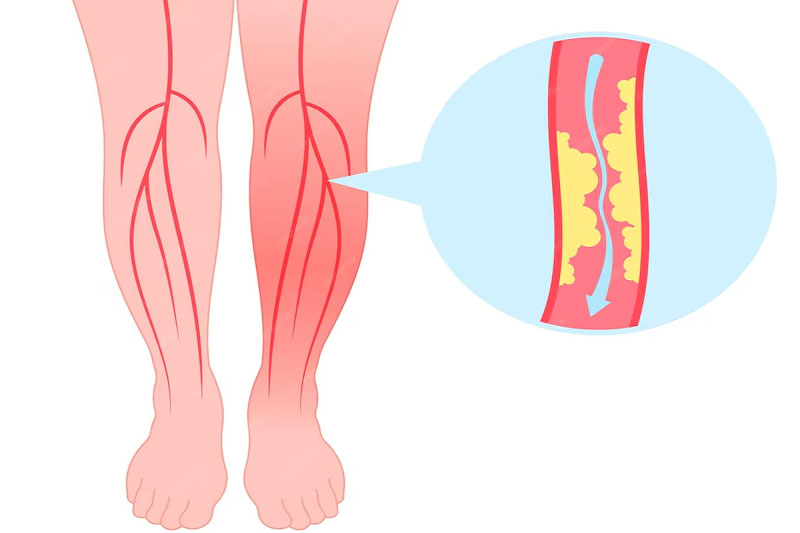
Arteries carry oxygen-rich blood from the heart to tissues throughout the body.
When arteries become narrowed or damaged, blood flow can be reduced.
One condition associated with reduced arterial blood flow to the legs is peripheral artery disease (PAD).
PAD can cause symptoms such as:
-
Leg pain during walking
-
Pain that improves with rest
-
Numbness or weakness
-
Cold feet
-
Slow-healing wounds
-
Changes in skin color
-
Reduced hair growth on the legs
These symptoms should not simply be treated with dietary changes.
PAD requires medical assessment because it is also a marker of cardiovascular disease elsewhere in the body.
The Difference Between Poor Arterial Circulation and Swelling
Not every leg problem is caused by poor arterial circulation.
For example, swelling around the ankles may be related to:
-
Venous insufficiency
-
Heart problems
-
Kidney disease
-
Liver disease
-
Certain medications
-
Prolonged sitting or standing
Venous circulation is different from arterial circulation.
Your veins return blood toward the heart, while arteries carry blood away from the heart.
That's why the cause of leg symptoms matters.
Food Alone Cannot "Clear" Blocked Arteries
This is an important myth to avoid.
You may see claims that certain foods can "clean your arteries" or dissolve plaque.
There is no single food that can physically scrub plaque from your arteries.
A heart-healthy diet can help manage important risk factors such as:
-
LDL cholesterol
-
Blood pressure
-
Blood glucose
-
Body weight
-
Inflammation
But established atherosclerosis requires medical management when appropriate.
Depending on your situation, treatment may include lifestyle changes, medication, or other medical interventions.
What About Drinking More Water?
Adequate hydration is important for normal body function.
But drinking excessive amounts of water doesn't automatically improve circulation.
Your fluid requirements vary depending on:
-
Climate
-
Physical activity
-
Diet
-
Age
-
Medical conditions
People with certain heart, kidney, or liver conditions may have specific fluid recommendations.
The goal is appropriate hydration, not forcing yourself to drink huge quantities.
Foods That May Work Against Healthy Circulation
It's not just about what you add.
It's also about what you eat frequently.
Try to limit excessive intake of:
Highly Processed Meats
Bacon, sausage, hot dogs, and similar foods can be high in sodium and saturated fat.
Highly Salty Foods
Excess sodium can contribute to elevated blood pressure.
Sugary Drinks
Frequent consumption can contribute to excess calorie intake and metabolic problems.
Deep-Fried Foods
These can be high in calories and unhealthy fats depending on how they're prepared.
Highly Refined Foods
A diet dominated by refined grains and heavily processed foods may provide less fiber and fewer beneficial nutrients.
You don't need to eliminate every one of these foods.
The goal is to make them less frequent, while nutrient-rich foods become the foundation of your diet.
A Simple Day of Eating for Cardiovascular Health
You don't need an expensive meal plan.
Breakfast
Oatmeal + berries + walnuts
Lunch
Leafy green salad + grilled salmon + whole-grain bread
Snack
An orange or a small handful of unsalted nuts
Dinner
Roasted vegetables + brown rice + beans or fish
Flavor
Use garlic, herbs, lemon, and extra-virgin olive oil instead of relying heavily on salt.
This type of eating pattern provides fiber, unsaturated fats, plant compounds, vitamins, minerals, and quality protein.
Exercise Is Just as Important as Food
If you're concerned about circulation in your legs, don't focus only on food.
Physical activity is one of the most effective ways to support cardiovascular fitness.
Walking is particularly useful because it is accessible to many people.
For healthy adults, regular aerobic activity combined with muscle-strengthening exercise can support:
-
Cardiovascular fitness
-
Blood pressure
-
Blood glucose
-
Weight management
-
Muscle strength
If you already have significant leg pain when walking, especially pain that consistently improves when you stop, talk with a healthcare professional before starting a demanding exercise program.
That pattern can occur with PAD and deserves assessment.
Don't Ignore Persistent Leg Symptoms
Seek medical advice if you experience:
Repeated leg pain when walking
Cold or numb feet
Persistent swelling
Unexplained skin color changes
Slow-healing sores
Sudden weakness
Pain that is worsening
Some circulation problems can progress without obvious symptoms elsewhere.
Early evaluation can help identify the cause and determine appropriate treatment.
When Leg Swelling Is an Emergency
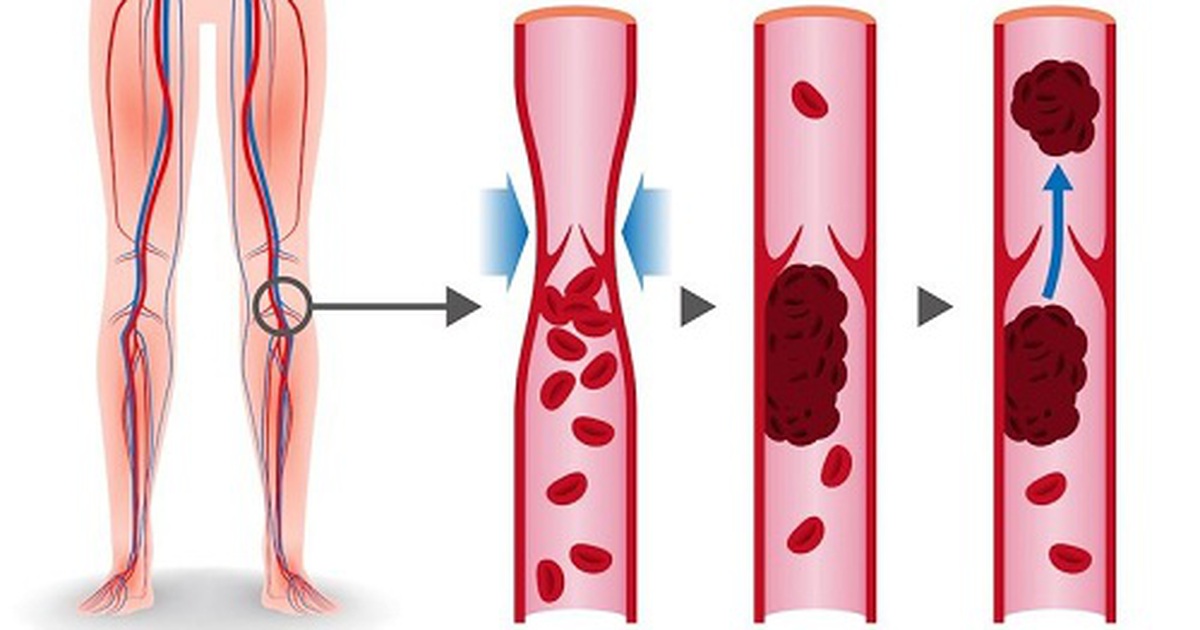
Sudden swelling in one leg, particularly if accompanied by pain, warmth, redness, or tenderness, can be a sign of a blood clot such as deep vein thrombosis (DVT).
If this occurs together with sudden chest pain or shortness of breath, seek emergency medical attention.
This is not something to treat with food or home remedies.

The 12 Foods at a Glance
1. Fatty fish
Provides omega-3 fatty acids.
2. Berries
Rich in fiber and polyphenols.
3. Leafy greens
Provide nitrates, folate, fiber, and other nutrients.
4. Beets
A natural source of dietary nitrates.
5. Garlic
Contains sulfur compounds and can add flavor with little sodium.
6. Citrus fruits
Provide vitamin C, fiber, and flavonoids.
7. Avocados
Rich in monounsaturated fats and fiber.
8. Nuts
Provide healthy fats, fiber, magnesium, and plant protein.
9. Dark chocolate
Contains cocoa flavanols when consumed in appropriate amounts.
10. Whole grains
Provide fiber and other nutrients.
11. Tomatoes
Provide lycopene, potassium, and vitamin C.
12. Extra-virgin olive oil
Provides primarily unsaturated fats and plant compounds.
The Bottom Line
There is no single food that can guarantee better circulation or eliminate leg problems.
But a diet built around fish, berries, leafy greens, beets, garlic, citrus, avocados, nuts, whole grains, tomatoes, dark chocolate, and olive oil can provide nutrients and plant compounds that support cardiovascular health.
More importantly, these foods work best as part of a larger lifestyle that includes:
Regular physical activity
Healthy blood pressure
Healthy cholesterol levels
Good blood-sugar control
Not smoking
Maintaining an appropriate weight
Adequate sleep
If you already have symptoms of poor circulation—particularly leg pain when walking, cold or numb feet, persistent swelling, or slow-healing wounds—don't rely solely on dietary changes.
Final Thoughts
Healthy circulation isn't created by one "superfood."
It comes from keeping your heart, blood vessels, metabolism, and overall health in good condition over time.
Adding colorful vegetables, fruit, fish, nuts, whole grains, and healthy fats to your meals is a simple place to start.
And if your legs are repeatedly telling you something feels wrong, listen to them.
Food can support cardiovascular health, but persistent circulation symptoms deserve a proper medical evaluation.