
The hidden danger lies in naturally occurring compounds called cyanogenic glycosides.
Health 27/07/2026 12:56
In today's fast-paced world, staying up late has become increasingly common. Whether it's finishing work, scrolling through social media, watching television, or catching up on household chores, many people sacrifice sleep without realizing the long-term impact on their health.
Sleep is far more than a period of rest. While you sleep, your body performs essential maintenance tasks that help restore tissues, regulate hormones, strengthen the immune system, consolidate memories, and prepare you for the next day. Although the ideal bedtime varies depending on an individual's schedule and biological clock, many sleep experts agree that consistently getting enough high-quality sleep—and avoiding excessively late bedtimes—can benefit overall health.
If your schedule allows, going to bed before 10 PM may help you establish a healthier sleep routine, especially if it enables you to achieve the recommended seven to nine hours of sleep each night.
Here are 9 reasons why an earlier bedtime may support your overall well-being.

Getting enough hours of sleep is important, but sleep quality matters just as much.
Your sleep follows several cycles throughout the night, including periods of light sleep, deep sleep, and rapid eye movement (REM) sleep. Each stage plays a unique role in physical recovery and brain function.
Maintaining a consistent bedtime can help support your body's natural circadian rhythm—the internal clock that regulates when you feel awake and when you feel sleepy.
When you regularly stay up late, this rhythm can become disrupted, making it harder to fall asleep and wake up feeling refreshed.
A consistent bedtime before 10 PM may make it easier for some people to maintain healthy sleep patterns.
Your brain remains remarkably active while you sleep.
During sleep, the brain:
Organizes memories
Processes information learned during the day
Removes metabolic waste products
Strengthens neural connections important for learning
Insufficient or irregular sleep has been linked to reduced concentration, slower reaction times, and difficulty solving problems.
Many people notice improved focus, clearer thinking, and better productivity after several nights of consistent, adequate sleep.
Students, professionals, and older adults alike benefit from healthy sleep habits that support cognitive function.
Sleep and cardiovascular health are closely connected.
Research suggests that consistently getting enough sleep is associated with healthier blood pressure, better blood sugar regulation, and lower levels of chronic inflammation.
On the other hand, chronic sleep deprivation has been associated with an increased risk of conditions such as:
High blood pressure
Heart disease
Stroke
Type 2 diabetes
Going to bed earlier is not a guarantee against these conditions, but it may help support healthier cardiovascular function when combined with regular exercise, a balanced diet, and avoiding smoking.
Your immune system performs many important repair and defense functions during sleep.
While you're asleep, your body produces signaling proteins called cytokines that help coordinate immune responses.
Poor sleep may reduce your body's ability to fight infections and recover from illness.
People who consistently get adequate sleep often recover more efficiently from common viral infections and may respond better to vaccinations, according to some research.
Although sleep alone cannot prevent illness, it is an essential component of overall immune health.
Sleep influences hormones involved in hunger and fullness.
Two important hormones include:
Ghrelin, which stimulates appetite
Leptin, which signals fullness
When you don't get enough sleep, ghrelin levels tend to increase while leptin levels decrease.
As a result, many people experience:
Increased hunger
More cravings for sugary foods
Greater desire for high-calorie snacks
Larger portion sizes
An earlier bedtime that allows sufficient sleep may help support healthier eating habits and weight management over time.
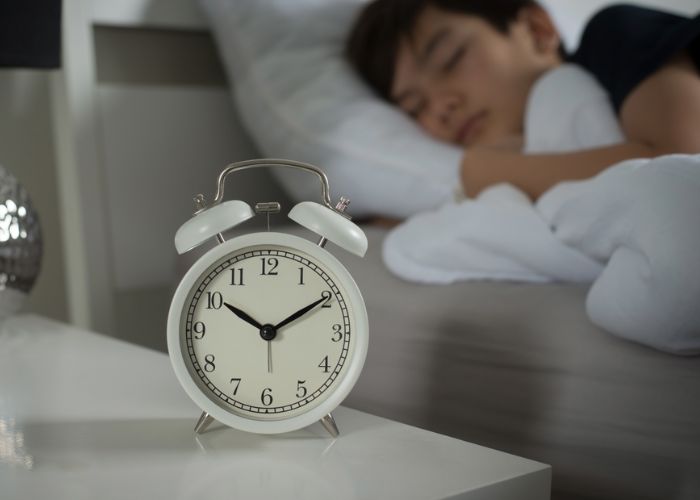
Sleep and mental health influence one another in complex ways.
After a poor night's sleep, many people feel:
Irritable
Less patient
More anxious
Easily frustrated
Emotionally overwhelmed
Over time, chronic sleep deprivation has been associated with an increased risk of mood disorders, although many factors contribute to mental health.
Getting enough sleep supports emotional regulation and helps the brain process experiences more effectively.
Many people simply feel more optimistic and resilient after a full night's rest.
While you sleep, your body releases hormones involved in growth, repair, and metabolism.
For example:
Growth hormone supports tissue repair.
Muscle recovery occurs after physical activity.
Bones undergo remodeling.
Cells repair everyday damage.
This is particularly important for:
Athletes
Older adults
Children and adolescents
Individuals recovering from illness or injury
Regular sleep gives your body the opportunity to perform these essential maintenance processes efficiently.
Sleep is sometimes referred to as "beauty sleep," and while that phrase is informal, there is scientific evidence that sleep supports healthy skin.
During sleep, your skin increases blood flow and repairs everyday environmental damage caused by:
Sun exposure
Pollution
Dry air
Minor inflammation
Poor sleep has been associated with:
Dull-looking skin
Dark circles under the eyes
Reduced skin barrier function
Slower wound healing
Of course, healthy skin also depends on nutrition, hydration, sun protection, and genetics.
Still, quality sleep is an important part of an overall skincare routine.
An earlier bedtime often leads to healthier mornings.
People who wake feeling rested are generally more likely to:
Eat breakfast
Exercise
Stay physically active
Prepare healthier meals
Be productive at work or school
Maintain a more consistent routine
By contrast, staying up very late may contribute to:
Skipping breakfast
Increased caffeine intake
More late-night snacking
Less physical activity
Irregular meal timing
Healthy habits often reinforce one another, and a regular sleep schedule can become the foundation for many positive lifestyle choices.
If you're used to staying awake past midnight, shifting your bedtime to before 10 PM may take time.
Rather than making a sudden change, try adjusting your bedtime by 15 to 30 minutes every few nights.
Other helpful strategies include:
Try going to bed and waking up at the same time every day, including weekends.
The light emitted by phones, tablets, and computers may delay the release of melatonin, the hormone that helps regulate sleep.
Consider avoiding screens for at least 30 to 60 minutes before bedtime.
Calming activities may help prepare your body for sleep, such as:
Reading a book
Taking a warm shower
Gentle stretching
Meditation
Listening to relaxing music
Caffeine can remain in your system for several hours.
If you are sensitive to caffeine, limiting coffee, tea, energy drinks, or other caffeinated beverages during the afternoon and evening may improve sleep.
A comfortable bedroom can make a significant difference.
Aim for:
A cool, comfortable temperature
Minimal noise
Low lighting
A supportive mattress and pillow
While everyone's schedule and circadian rhythm are different, an earlier bedtime may be especially beneficial for:
School-aged children and teenagers (who require more sleep than adults)
Adults with demanding work schedules
Shift workers transitioning back to daytime schedules
Older adults experiencing irregular sleep
Individuals trying to improve energy levels and establish healthier routines
The exact bedtime is less important than consistently getting enough high-quality sleep that aligns with your body's needs.
Occasionally having trouble sleeping is common, but persistent sleep problems deserve medical attention.
Consult a healthcare professional if you:
Regularly struggle to fall asleep or stay asleep
Snore loudly or stop breathing during sleep
Feel excessively sleepy during the day despite getting enough sleep
Frequently wake up gasping for air
Experience restless legs or unusual movements during sleep
Notice that poor sleep is affecting your daily functioning or mental health
These symptoms may indicate an underlying sleep disorder that can often be evaluated and treated.

Going to bed before 10 PM is not a magic solution for perfect health, and it may not be practical or necessary for everyone. What's most important is maintaining a consistent sleep schedule and getting enough quality sleep to meet your body's needs.
Still, if an earlier bedtime helps you achieve seven to nine hours of restful sleep each night, it may offer a wide range of benefits from sharper thinking and better mood to improved immune function, heart health, and overall well-being.
Small changes in your evening routine can lead to lasting improvements over time. By making sleep a priority, you're giving your body and mind the opportunity to recover, recharge, and function at their best each day.

Thinking About Gallbladder Removal? Here's What You Should Know




Eggs are nutritious, but eating them daily isn't the best choice for everyone.

Don't ignore these common warning signs.

Doctors Reveal the Warning Signs of Low Blood Sugar

The Silent Signs of Colorectal Can.cer Many People Miss

Unsafe food storage habits may increase exposure to dangerous food toxins.

Cucumbers are among the most popular vegetables used in salads around the world. Refreshing, low in calories, and packed with water, they are often associated with healthy eating and weight management.

Can Eating Too Much Ginger Be Harmful? A Case Report Highlights Possible Risks

Why Beets Are Considered a Nutritious Addition to a Healthy Diet?

Can eating eggs daily affect your health? Here's what experts say.

Raw green onions can harbor germs if not cleaned and handled with care.

Could These 5 Backyard Plants Make Your Yard More Inviting to Snakes?
5 Common Nose Symptoms That May Indicate More Than Just Allergies

Could Your Body Be Trying to Tell You Something? Watch for These 8 Warning Signs

Thinking About Gallbladder Removal? Here's What You Should Know

This Small Detail on Your Toes Could Say More About Your Health Than You Realize
Eggs are nutritious, but eating them daily isn't the best choice for everyone.
Don't ignore these common warning signs.
Doctors Reveal the Warning Signs of Low Blood Sugar
The Silent Signs of Colorectal Can.cer Many People Miss
Unsafe food storage habits may increase exposure to dangerous food toxins.
Cucumbers are among the most popular vegetables used in salads around the world. Refreshing, low in calories, and packed with water, they are often associated with healthy eating and weight management.
Can Eating Too Much Ginger Be Harmful? A Case Report Highlights Possible Risks

The School Uniform Rule Many Students Don't Know
Why Beets Are Considered a Nutritious Addition to a Healthy Diet?
Can eating eggs daily affect your health? Here's what experts say.
Raw green onions can harbor germs if not cleaned and handled with care.
Could These 5 Backyard Plants Make Your Yard More Inviting to Snakes?
5 Common Nose Symptoms That May Indicate More Than Just Allergies