Thaw the amount you need in the refrigerator or add frozen cubes directly to suitable recipes.
Freezing does not sterilize lemon juice, so start with clean fruit and equipment. Once thawed, keep the juice refrigerated and use it promptly.
8. Freeze Lemon Zest Instead of Throwing Away the Peel
Lemon juice is valuable, but the peel contains aromatic oils that provide the distinctive fragrance many people associate with fresh lemons.
If you frequently bake cakes, make cookies, prepare sauces, or cook dishes that benefit from citrus flavor, saving lemon zest can be just as useful as freezing the juice.
Before cutting the lemons, wash the outer surfaces thoroughly under running water and dry them.
Use a fine grater or zester to remove the colored outer layer of the peel. Avoid grating too deeply into the white pith underneath, which can taste bitter.
Spread the zest in a small, freezer-safe container or place it in a sealed freezer bag. For convenience, divide it into small portions so you can remove only what you need.
You can also freeze zest in small amounts measured for your favorite recipes.
Frozen zest may lose some of its fresh aroma over time, so it is best to use it within a few months for good flavor.
You do not need to thaw a small portion completely before adding it to many recipes.
This method allows you to use more of each lemon and reduces the likelihood that the peel will end up in the trash.
One important note: If you are planning to use the zest, wash the lemon before grating it. The outer surface can carry dirt or microorganisms even when the fruit looks clean.
9. Can You Store Lemons in Water?
Some people recommend placing whole lemons in a container of water and refrigerating them to maintain their freshness.
Although water storage is sometimes discussed as a household trick, it is not necessary for keeping lemons fresh, and it can introduce additional handling and hygiene concerns.
Standing water can become contaminated, and storing fruit in water does not eliminate the possibility of mold or spoilage. The results may also vary depending on the fruit's condition and the cleanliness of the container.
For most households, refrigerating dry whole lemons in a clean, sealed bag or container is a simpler, more practical method.
If you prefer to wash lemons before storage, make sure they are thoroughly dried before placing them in a sealed container.
The important principle is not to surround lemons with water. It is to maintain suitable refrigeration, reduce unnecessary moisture loss, and prevent excessive surface moisture or contamination.
Choose a method that is easy to maintain consistently rather than relying on a complicated trick.
10. Keep Lemons Away From Excessive Heat and Direct Sunlight
If you prefer to keep a few lemons on the kitchen counter because you use them every day, pay attention to where you place them.
Direct sunlight, warm windowsills, and locations near ovens or stovetops can expose lemons to unnecessary heat.
Higher temperatures generally accelerate quality deterioration, and lemons may lose moisture more quickly in warm conditions.
Instead, place a small quantity of lemons in a cool, dry, shaded area with good air circulation.
A fruit bowl can be convenient for short-term storage, but avoid piling lemons too deeply or placing them where they can be easily bruised.
If your kitchen is hot, particularly during summer, refrigeration is usually the better choice for preserving lemons over an extended period.
You can keep one or two lemons accessible for immediate use and store the remaining fruit in the refrigerator.
This gives you the convenience of having fresh lemons nearby without exposing your entire supply to unfavorable conditions.
11. Do Lemons Need to Reach Room Temperature Before Use?
If you store lemons in the refrigerator, you may notice that they feel firmer and colder when you take them out.
Cold lemons can sometimes be harder to squeeze than lemons that have warmed slightly.
If you need more juice, there are a few simple ways to make the process easier.
First, roll the lemon gently against the countertop using the palm of your hand. Apply moderate pressure without crushing the fruit.
This helps loosen the internal segments and can make squeezing easier.
You can also allow the lemon to sit at room temperature for a short time before cutting it.
If you are in a hurry, you may use a brief, gentle warming method, but avoid overheating the fruit or using a microwave for an extended period.
Another option is to use a citrus reamer or handheld juicer, which can help extract juice efficiently regardless of the lemon's temperature.
These tricks do not extend the lemon's storage life, but they make refrigerated lemons more convenient to use.
There is no need to leave an entire bag of lemons outside the refrigerator simply because you prefer squeezing room-temperature fruit.
Take out only the lemon you need, prepare it, and return the remaining fruit to suitable storage.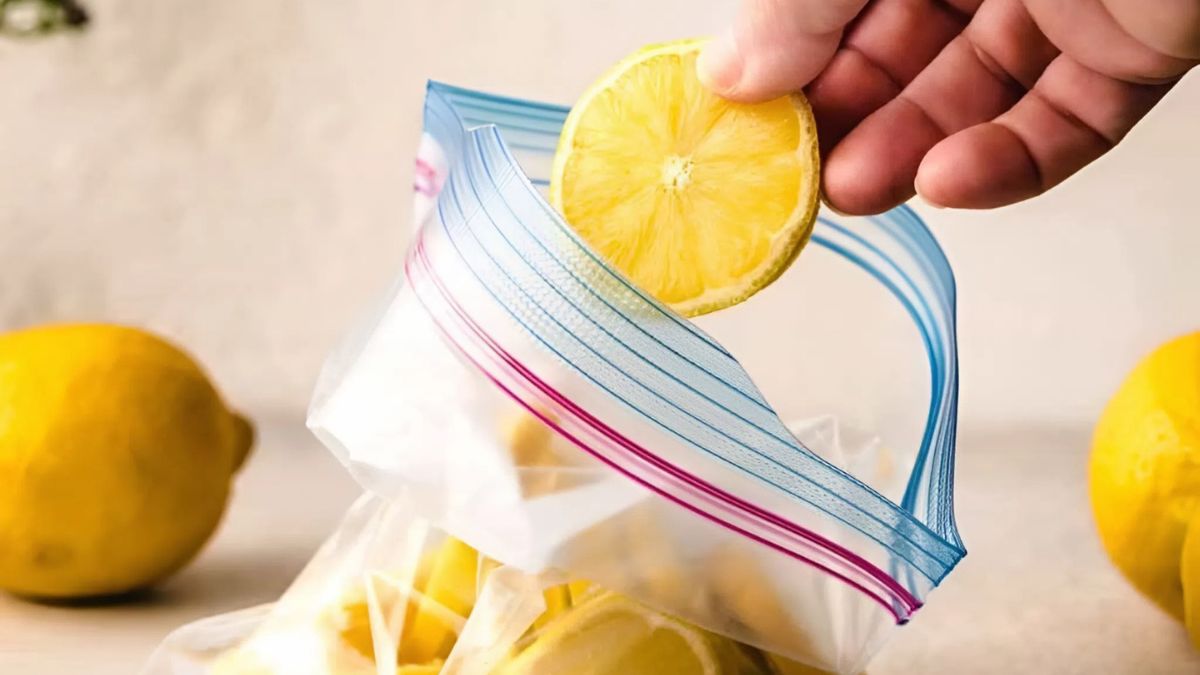
12. Store Lemon Slices Properly for Drinks and Garnishes
Lemon slices are often used in iced water, homemade lemonade, iced tea, and decorative drinks.
However, slicing several lemons in advance can expose a large amount of fruit to air and increase the risk of drying and contamination.
Whenever possible, slice lemons shortly before serving.