Coconut water has become one of the world's most popular natural beverages, praised for its light, refreshing taste and naturally occurring electrolytes. From athletes looking for a post-workout drink to people simply trying to stay hydrated, coconut water has found its way into supermarkets, cafés, and home kitchens across the globe.
Many social media posts claim that coconut water can detox the body, cure dehydration instantly, melt belly fat, or even prevent disease. While these claims often exaggerate its benefits, coconut water can certainly be part of a healthy diet when enjoyed in moderation.
The key isn't just what you drink—it can also be when you drink it.
Although there is no single "perfect" time to enjoy coconut water, certain times of the day may be especially convenient or beneficial depending on your lifestyle and health goals.
Here are 3 times when coconut water may be a refreshing addition to your daily routine, along with what current evidence tells us.

What Makes Coconut Water Different?
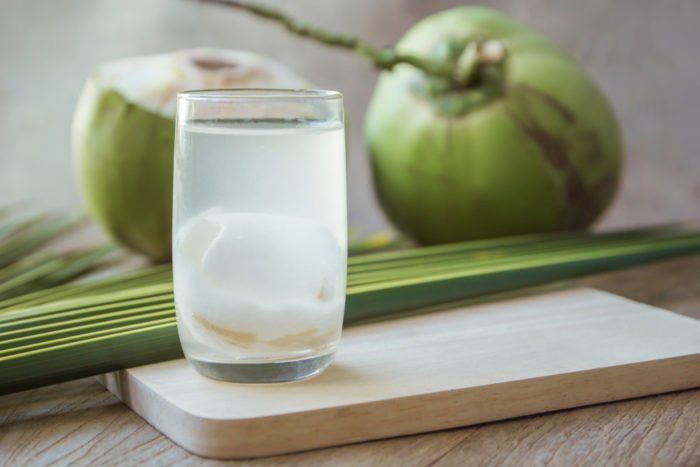
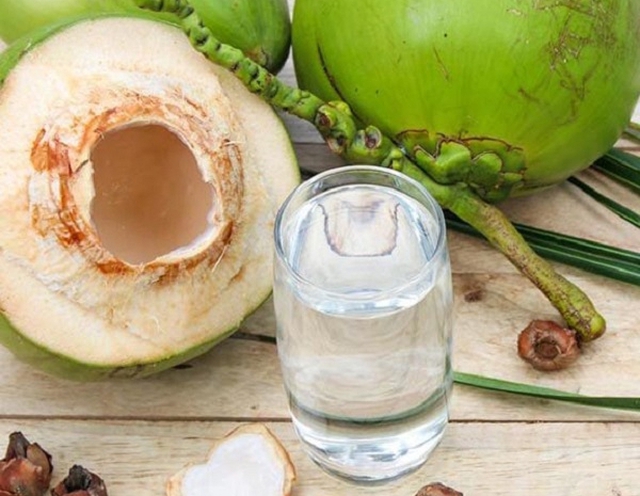
Coconut water is the clear liquid naturally found inside young green coconuts.
It is different from coconut milk, which is made by blending coconut flesh with water.
Naturally unsweetened coconut water contains:
-
Water
-
Potassium
-
Magnesium
-
Calcium (small amounts)
-
Sodium (small amounts)
-
Natural carbohydrates
-
Small amounts of vitamin C
Because of its naturally occurring electrolytes, coconut water is often compared with sports drinks.
However, its nutrient composition varies depending on the coconut's maturity and the product you purchase.
Always check the label, as some packaged coconut waters contain added sugar or flavorings.
1. In the Morning to Help You Start the Day Hydrated
After several hours of sleep, your body has gone without fluids overnight.
Many people wake up feeling slightly dehydrated, especially in hot climates or after sleeping in a warm room.
Starting the morning with a glass of coconut water can contribute to your daily fluid intake while providing a refreshing source of naturally occurring electrolytes.
Possible benefits include:
-
Supporting hydration
-
Providing potassium
-
Offering a light alternative to sugary breakfast drinks
-
Helping you begin the day with a healthy beverage choice
It's important to remember that plain water is also an excellent choice.
Coconut water is not essential, but some people simply enjoy its taste and find it encourages them to drink more fluids.
2. After Exercise
One of the most common times people choose coconut water is after physical activity.
During exercise, your body loses water through sweat.
Depending on the intensity and duration of the workout, you may also lose electrolytes.
Coconut water naturally contains potassium and small amounts of other minerals, making it a pleasant option for rehydration after light to moderate exercise.
Some studies suggest that coconut water can be as effective as certain sports drinks for rehydration after moderate physical activity, although individual needs vary.
For most recreational exercisers, coconut water may be a suitable option after activities such as:
-
Walking
-
Jogging
-
Cycling
-
Yoga
-
Strength training
-
Recreational sports
However, for prolonged endurance events or intense exercise lasting well over an hour, specially formulated sports drinks or individualized hydration strategies may sometimes be more appropriate because they provide higher amounts of sodium and carbohydrates.
3. During Hot Weather or After Spending Time Outdoors
High temperatures increase fluid loss through sweating.
Whether you've been gardening, hiking, working outdoors, or simply spending time in the sun, staying hydrated is essential.
Coconut water may be a refreshing way to replace some of the fluids you've lost.
Drinking it chilled can be especially enjoyable on hot days.
Keep in mind that if you've experienced severe dehydration due to illness, prolonged vomiting, diarrhea, or heat-related illness, coconut water is not a substitute for medical care or oral rehydration solutions when those are needed.
What Are the Potential Benefits of Coconut Water?
Although coconut water isn't a miracle drink, it does offer several nutritional advantages.
Supports Hydration
Like other beverages, coconut water contributes to your daily fluid intake.
Proper hydration supports:
-
Body temperature regulation
-
Digestion
-
Kidney function
-
Nutrient transport
-
Joint lubrication
-
Overall physical performance
Many people find coconut water easier to drink than plain water because of its mild natural sweetness.
Provides Potassium
Potassium is an essential mineral involved in:
-
Muscle contractions
-
Nerve signaling
-
Fluid balance
-
Normal heart function
Coconut water is naturally rich in potassium.
However, people with advanced kidney disease or those advised to limit potassium intake should speak with their healthcare provider before drinking large amounts regularly.
Naturally Lower in Sugar Than Many Soft Drinks
Unsweetened coconut water generally contains less added sugar than soft drinks, sweetened fruit punches, and many flavored beverages.
Replacing sugar-sweetened drinks with unsweetened coconut water occasionally may help reduce added sugar intake.
Always read the nutrition label, as some commercial products contain added sweeteners.
Can Coconut Water Help Lower Blood Pressure?
Some research suggests that potassium-rich diets may support healthy blood pressure in certain individuals.
Because coconut water contains potassium, people sometimes assume it lowers blood pressure on its own.
Current evidence does not support using coconut water as a treatment for hypertension.
If you have high blood pressure, continue following your healthcare provider's recommendations regarding:
-
Medication
-
Diet
-
Physical activity
-
Sodium intake
-
Weight management
Think of coconut water as one possible component of a balanced eating pattern—not as a therapy.
Does Coconut Water Help With Weight Loss?
One of the biggest myths online is that coconut water "burns fat."
There is no evidence that coconut water directly causes weight loss.
However, it can still fit into a weight-management plan.
If you replace a high-calorie sugary drink with unsweetened coconut water, you may reduce your overall calorie intake.
The benefit comes from making healthier beverage choices—not from a special fat-burning property.
Can It Detox the Body?
The term "detox" is widely used in marketing but often misunderstood.
Your liver and kidneys naturally remove waste products from your body.
No beverage—including coconut water—can suddenly flush toxins from your system.
Its main contribution is supporting hydration, which helps your body perform its normal functions efficiently.
Who Should Be Careful?
Although coconut water is safe for most healthy adults, some people should consume it thoughtfully.
You may want to speak with your healthcare provider if you:
-
Have chronic kidney disease
-
Have been advised to limit potassium
-
Take medications that affect potassium levels
-
Need to restrict fluids for medical reasons
People with diabetes should also remember that coconut water contains naturally occurring carbohydrates.
While moderate amounts may fit into many meal plans, portion size still matters.
How Much Coconut Water Is Reasonable?
There is no universal recommendation for everyone.
For many healthy adults, one serving (about 240–350 ml or 8–12 ounces) can be a refreshing part of a balanced diet.
Drinking excessive amounts simply because it is considered "healthy" is unlikely to provide additional benefits.
Moderation remains the best approach.
Choosing the Best Coconut Water
When shopping, look for products labeled:
-
100% coconut water
-
No added sugar
-
No artificial sweeteners
-
No unnecessary flavorings
Fresh coconut water is an excellent option when available, but packaged products can also be convenient if you choose carefully.
Other Healthy Ways to Stay Hydrated
Variety is important.
Healthy hydration doesn't have to rely on one beverage.
Good options include:
-
Plain water
-
Sparkling water without added sugar
-
Herbal tea
-
Unsweetened green tea
-
Milk
-
Water infused with fruit or herbs
For most people, plain water remains the primary beverage for daily hydration.
Common Myths About Coconut Water
Myth: Coconut water cures dehydration instantly.
It helps with hydration, but severe dehydration requires appropriate medical evaluation and treatment.
Myth: Coconut water detoxifies the body.
Your liver and kidneys already perform the body's natural detoxification processes.
Myth: You should drink coconut water every day to stay healthy.
Coconut water can be part of a healthy diet, but it is not essential.
Many people meet their hydration needs perfectly well with plain water.
Myth: More is always better.
Even healthy beverages should be enjoyed in moderation, especially if they contain natural sugars or high amounts of certain minerals like potassium.
The Bottom Line
Coconut water is a naturally refreshing beverage that provides fluid, potassium, and other electrolytes. It can be an enjoyable addition to a balanced diet, particularly in the morning to support hydration, after light to moderate exercise, or during hot weather when fluid losses increase.
At the same time, it's important to keep expectations realistic.
Coconut water does not detox the body, melt body fat, or replace medical treatment for dehydration, high blood pressure, or other health conditions.
The healthiest approach is simple: choose unsweetened coconut water when you enjoy it, drink it in moderation, and remember that overall hydration, a balanced diet, regular physical activity, and healthy lifestyle habits matter far more than any single beverage.
Sometimes, staying healthy begins with something as simple as choosing a refreshing drink and making that choice part of a bigger pattern of healthy living.