Chapter 1: The Hidden Health Risk That May Be Sitting Inside Your Home
When people think about living a longer and healthier life, they often imagine complicated routines involving exercise programs, expensive supplements, strict diets, regular medical appointments, and carefully planned lifestyle changes. While many of these habits can contribute to better health, some of the most meaningful improvements may begin with something much simpler: removing harmful exposures from the environment where you spend most of your time.
Your home is supposed to be a place where you can rest, recover, and feel safe. It is where you sleep, eat, spend time with family, and often begin and end every day. Yet, depending on the habits of the people who live there, a home may also contain environmental factors that quietly affect the heart, lungs, blood vessels, and overall health.
One of the most important things that health professionals encourage people to eliminate from indoor environments is tobacco smoke. Whether it comes from cigarettes, cigars, pipes, or other tobacco products, smoke contains a complex mixture of chemicals that can affect the body in multiple ways. The danger is not limited to the person who actively smokes. People who breathe smoke released into the surrounding environment can also be exposed to harmful substances.
Cardiologists have long emphasized the importance of protecting the cardiovascular system from preventable risk factors. Smoking is one of the most significant modifiable risk factors for heart disease and stroke. It can damage blood vessels, promote inflammation, affect the body's ability to transport oxygen, and contribute to the development of conditions that increase the likelihood of serious cardiovascular events.
What makes indoor tobacco smoke particularly concerning is that exposure can occur repeatedly and without a person necessarily realizing how much they are inhaling. A cigarette smoked near an open window, in a kitchen, on a balcony connected to an indoor area, or in a room where other people regularly spend time may still expose household members to smoke and its residues.
The good news is that this is a risk factor people can take meaningful steps to reduce. Removing tobacco smoke from the home, establishing a completely smoke-free indoor environment, and supporting people who want to quit smoking can be important steps toward protecting long-term health.
The recommendation may sound simple, but understanding why it matters requires looking more closely at what tobacco smoke does to the body and why the heart is particularly vulnerable.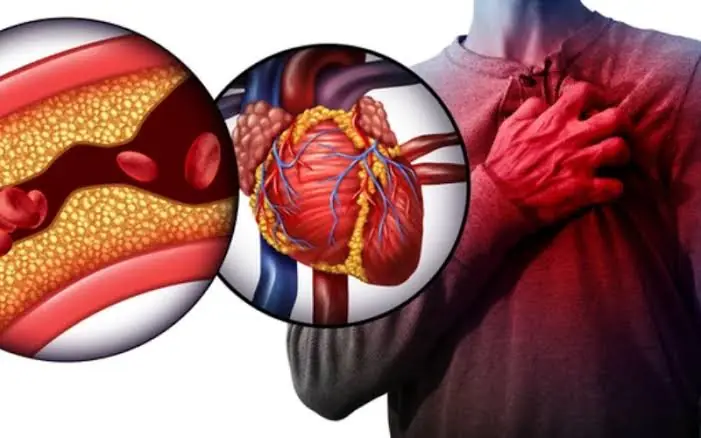
Chapter 2: Why Cardiologists Are So Concerned About Tobacco Smoke
The heart is a muscular organ that works continuously throughout life. It pumps blood through a network of arteries, veins, and capillaries, delivering oxygen and nutrients to tissues while helping remove waste products. For this system to function properly, blood vessels need to remain flexible, blood needs to flow efficiently, and the heart must maintain a steady rhythm and adequate pumping ability.
Tobacco smoke interferes with several of these processes.
Cigarette smoke contains thousands of chemical substances. Some are toxic, some are irritating, and some can contribute to damage within the cardiovascular system. When a person inhales tobacco smoke, chemicals enter the lungs and are absorbed into the bloodstream. They can affect the lining of blood vessels, influence inflammation, alter blood clotting processes, and place additional stress on the heart.
One of the important effects of smoking is damage to the endothelium, the thin layer of cells lining the inside of blood vessels. Healthy endothelial cells help regulate blood flow, vessel dilation, inflammation, and the interaction between blood and vessel walls. When this lining becomes impaired, blood vessels may not respond as effectively to the body's needs.
Over time, endothelial dysfunction can contribute to the development of atherosclerosis, a condition in which fatty deposits, cholesterol, inflammatory cells, and other substances accumulate within artery walls. These deposits can gradually narrow arteries and restrict blood flow. If a plaque becomes unstable and ruptures, a blood clot may form, potentially blocking blood flow to part of the heart or brain.
Smoking can also increase the tendency of blood to clot. This is particularly important because heart attacks and many ischemic strokes occur when blood flow is suddenly blocked by a clot. A person's cardiovascular risk is influenced by multiple factors, including age, genetics, blood pressure, cholesterol, diabetes, physical activity, and smoking exposure. Tobacco smoke can add another significant burden to this already complex system.
Nicotine is one of the substances found in tobacco products that can affect the cardiovascular system. It stimulates the nervous system and can temporarily increase heart rate and blood pressure. These changes may place additional demands on the heart, particularly in individuals who already have cardiovascular disease or other risk factors.