Want to Purify Indoor Air? Grow These Plants
Many houseplants not only enhance the aesthetic appeal of your home but also excel at purifying the air, such as snake plants, pothos, and ivy. Growing these plants indoors can help create a cleaner, healthier living environment.
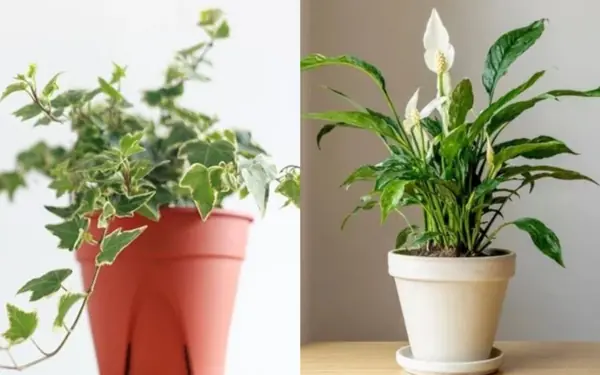
Houseplants That Purify Indoor Air
If you want to improve air quality at home, consider growing the following plants. They’ll make your space feel fresher and more comfortable.
1. Peace Lily
According to VnExpress, citing MSc. Dr. La Quy Huong from the Department of Respiratory Medicine, Tam Anh General Hospital, Hanoi, peace lilies can improve indoor air quality by up to 60%. They effectively filter harmful substances such as formaldehyde, trichloroethylene, xylene, and ammonia from sources like car emissions, household paints, cigarette smoke, and electronics.
Additionally, peace lilies help reduce airborne mold spores, making them ideal for indoor planting.
2. Spider Plant
Spider plants are champions of air purification. They are easy to care for and thrive in various conditions. Importantly, they are non-toxic, making them safe for homes with pets or children.
Spider plants can filter harmful substances like carbon monoxide, benzene, and xylene, which are hazardous to human health and have carcinogenic potential.
3. Aloe Vera
Beyond its well-known health and beauty benefits, aloe vera is excellent for removing benzene, formaldehyde, and byproducts of cleaning agents from the air.
-
Special Feature:
Aloe vera absorbs carbon dioxide and releases oxygen at night, making it perfect for bedrooms or poorly lit workspaces. Brown spots on its leaves can also serve as an indicator of air pollution. -
Care Tips:
Aloe vera grows quickly, tolerates heat and dryness, and loves bright light. Place it on desks, windowsills, or coffee tables for best results.
4. Areca Palm
Dr. Huynh Tan Vu from the University of Medicine and Pharmacy, Ho Chi Minh City, highlights that the areca palm, native to tropical rainforests, is an effective oxygen producer. A few clusters of areca palms in your home can significantly boost oxygen levels.
-
Benefits:
Areca palms purify the air by removing pollutants like formaldehyde, xylene, benzene, and toluene, improving respiratory health and reducing stress. -
Care Tips:
Areca palms prefer moderately moist soil and indirect sunlight, making them well-suited for indoor spaces.
5. Pothos
Pothos is a low-maintenance plant with excellent air-purifying properties. It absorbs dust and harmful chemicals from the air, promoting a healthier environment.
It grows well in low-light conditions, making it a versatile addition to any home.
6. Snake Plant
Snake plants are ideal for busy individuals who want a low-maintenance plant. They effectively filter harmful substances like formaldehyde, xylene, benzene, toluene, and trichloroethylene.
- Unique Feature:
Unlike most plants, snake plants absorb carbon dioxide and release oxygen at night, making them beneficial for bedrooms. Place them near windows to filter out airborne toxins.
7. English Ivy
English ivy, recognized by NASA as one of the best air-purifying plants, is highly effective at absorbing formaldehyde—a cancer-causing substance.
Its dense foliage not only cleans the air but also adds a cooling effect to indoor spaces. English ivy is easy to grow and requires minimal care.
8. Boston Fern
Boston ferns are excellent for hanging baskets indoors. They are among the most effective plants for removing formaldehyde from the air.
Some studies suggest Boston ferns may also remove toxic metals like mercury and arsenic from the environment. However, they require high humidity and consistent care.
9. Kalanchoe (Life Plant)
Also known as the "miracle leaf," kalanchoe originates from Madagascar. Despite its simple appearance, it offers numerous benefits. The plant stores water in its stems and leaves, making it suitable for dry environments.
- Care Tips:
Avoid overwatering and place it in well-lit areas to maintain optimal growth.
10. Chrysanthemums
According to NASA research, chrysanthemums are highly effective at filtering dangerous pollutants like formaldehyde, ammonia, benzene, and trichloroethylene.
Growing chrysanthemums at home not only enhances air quality but also adds vibrant color to your living space.
By incorporating these air-purifying plants into your home, you can enjoy a cleaner, healthier environment while enhancing the beauty of your living space.