Your lymphatic system works quietly behind the scenes every day, helping maintain fluid balance, supporting immune function, and transporting certain substances throughout the body. While there is no special “lymph detox” that magically cleanses the system, several everyday habits can support normal lymphatic function and overall health.
The lymphatic system is sometimes overlooked because it does not receive nearly as much attention as the heart, lungs, or digestive system.
Yet it is an important part of the body's circulatory and immune networks.
A large network of lymphatic vessels carries lymph, a fluid containing water, proteins, immune cells, and other substances. Along the way, lymph passes through lymph nodes, where immune cells help monitor for foreign material and potential threats.
Unlike the cardiovascular system, the lymphatic system does not have a central pump like the heart.
Instead, lymph movement is supported by several mechanisms, including muscle contractions, body movement, breathing, and pressure changes within tissues.
That is one reason regular movement and a generally healthy lifestyle can be valuable.
Here are 10 simple habits that may help support your lymphatic system without relying on exaggerated “detox” claims.
1. Stay Physically Active
Movement is one of the simplest ways to support normal lymph flow.
When you walk, stretch, climb stairs, cycle, swim, or perform other physical activities, your muscles repeatedly contract and relax.
Those contractions can help move lymph through lymphatic vessels.
You do not necessarily need an intense workout.
For many people, simply avoiding long periods of uninterrupted sitting is a useful starting point.
A short walk after a meal, walking while talking on the phone, taking the stairs when appropriate, or getting up regularly during the workday can all increase daily movement.
Why consistency matters
The lymphatic system benefits from regular activity rather than occasional bursts of exercise followed by long periods of inactivity.
A sustainable routine is generally more useful than pushing yourself into workouts that are too difficult to maintain.

2. Walk More Throughout the Day
Walking deserves special attention because it is accessible to many people.
Every step causes muscles throughout the legs and body to work. This repeated movement can contribute to normal circulation of fluids through the tissues.
Walking can also support cardiovascular fitness, blood-pressure management, metabolic health, and overall mobility.
Try looking for small opportunities to increase your daily steps.
Park a little farther away.
Take a short walk after dinner.
Walk around the house during breaks.
Choose stairs when comfortable.
These small changes can add up over time.
For older adults or people with mobility limitations, the appropriate amount of activity should be adjusted to individual ability and medical conditions.
3. Practice Deep, Comfortable Breathing
Your breathing does more than bring oxygen into your lungs.
Changes in pressure within the chest and abdomen during breathing can contribute to the movement of lymph through the body.
Slow, comfortable diaphragmatic breathing can therefore be a useful addition to a healthy routine.
Try sitting or lying comfortably and taking slow breaths that allow your abdomen to gently expand as you inhale.
Then exhale slowly without forcing the breath.
There is no need to perform aggressive “lymphatic breathing” routines or hold your breath for long periods.
The goal is simply to breathe comfortably and regularly.
An added benefit
Relaxed breathing can also help with stress management.
Because chronic stress can affect sleep, blood pressure, eating patterns, and overall well-being, a simple breathing practice may have benefits that extend beyond the lymphatic system.
4. Drink Enough Fluids
Lymph is largely made up of water, so adequate hydration is important for normal body function.
That does not mean you need to force yourself to drink enormous amounts of water.
Your fluid needs depend on factors such as body size, activity, climate, diet, health conditions, and medications.
For many people, drinking when thirsty and consuming fluids regularly throughout the day is a reasonable approach.
Water is an excellent choice, while other beverages and water-rich foods can also contribute to overall fluid intake.
One important caution
More water is not always better.
People with certain heart, kidney, or liver conditions may need individualized fluid recommendations. Anyone with such a condition should follow their healthcare professional's advice rather than deliberately increasing water intake as a “lymph cleanse.”
5. Avoid Sitting for Long Uninterrupted Periods
Modern life makes prolonged sitting easy.
You may sit at a desk for hours, spend a long time in the car, or relax in front of a screen throughout the evening.
Long periods without movement can contribute to fluid accumulation in the legs, particularly in people who already have circulation or mobility problems.
One simple strategy is to break up sitting time.
Stand up.
Walk around.
Stretch your legs.
Perform a few gentle movements.
Even brief activity breaks can be easier to maintain than trying to compensate for an entire sedentary day with one workout.
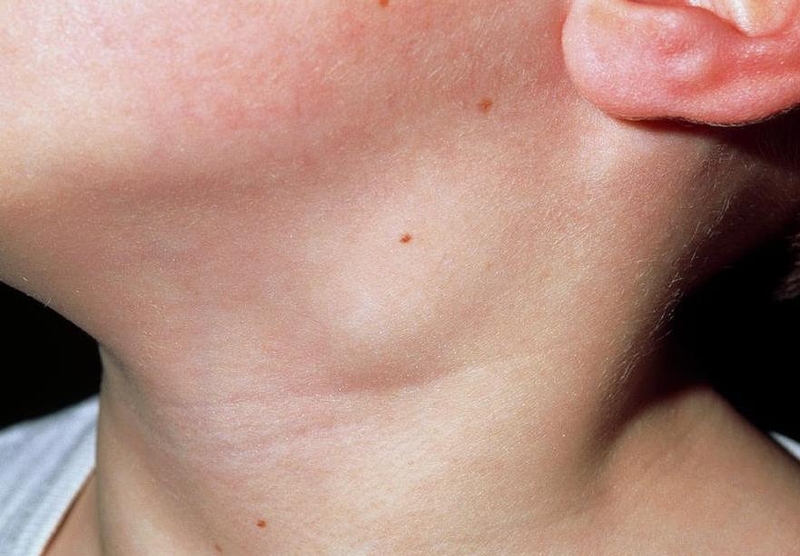
6. Maintain a Healthy Body Weight
Body composition can influence many aspects of circulation and overall health.
Excess body weight is associated with a higher risk of several health conditions and can also be associated with problems involving lymphatic function, including lymphedema in some circumstances.
Maintaining a weight that is appropriate for your individual health can therefore be part of supporting the lymphatic and cardiovascular systems.
The goal should not be rapid or extreme weight loss.
Instead, focus on sustainable habits such as:
-
Eating a balanced diet
-
Being physically active
-
Getting enough sleep
-
Managing stress
-
Limiting highly processed foods
-
Following individualized medical advice
Health is not determined by a number on the scale alone.
7. Eat a Balanced, Nutrient-Rich Diet
There is no specific food that “flushes toxins out of the lymphatic system.”
Your body already has highly developed systems for handling waste and metabolic byproducts, including the liver and kidneys.
However, a nutritious diet supports the overall health of the body—including the tissues and immune cells associated with the lymphatic system.
Build meals around a variety of foods such as:
Vegetables and fruits: These provide vitamins, minerals, fiber, and plant compounds.