Many people notice visible or bulging veins on their arms, legs, or other parts of the body and assume they are simply a cosmetic issue. While this is often true, medical experts say that prominent veins can sometimes signal something deeper happening in the body. Understanding what these veins mean—and when they may require attention—can help people protect their long-term health.
Visible veins are common and can appear for many harmless reasons. However, in certain situations they may be linked to circulation problems or other medical conditions. Knowing the difference between normal and potentially concerning signs is important.
Why Veins Sometimes Become Visible
Veins carry blood back to the heart after oxygen has been delivered to the body’s tissues. In some individuals, these veins can become more visible under the skin. This may happen for several natural reasons.
For example, people with low body fat often have more noticeable veins because there is less tissue covering them. Athletes frequently experience this after intense exercise when increased blood flow causes veins to expand temporarily.
Age can also play a role. As people grow older, skin becomes thinner and veins may appear more prominent.
In many cases, these changes are completely harmless and simply reflect normal variations in the body.
When Bulging Veins May Signal Something Else
Sometimes, however, bulging veins can be related to conditions affecting blood circulation. One of the most common examples is varicose veins, which are swollen and twisted veins that appear near the surface of the skin.
Varicose veins occur when the tiny valves inside veins become weak or damaged. These valves normally prevent blood from flowing backward. When they fail to function properly, blood can pool in the veins, causing them to stretch and become enlarged.
This buildup of blood pressure inside the vein is what creates the raised, bulging appearance that many people notice.
Common Symptoms Associated With Varicose Veins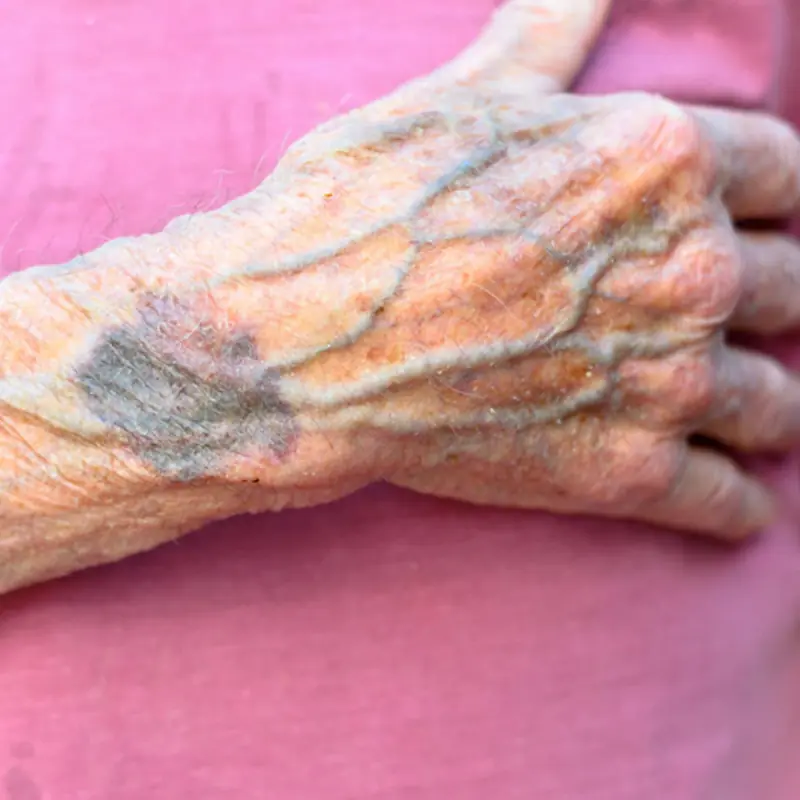
In many cases, varicose veins do not cause serious health problems. For some individuals, they are mainly a cosmetic concern. However, certain symptoms can appear as the condition progresses.
These symptoms may include:
-
Aching or heavy legs
-
Burning or throbbing sensations
-
Swelling in the lower legs or ankles
-
Itching around the affected veins
-
Skin color changes near the veins
While these symptoms are often mild, persistent discomfort or worsening swelling should be evaluated by a healthcare professional.
Risk Factors That Can Increase the Chances
Several factors may increase the likelihood of developing prominent or bulging veins.
One major factor is age, since wear and tear over time can weaken the valves inside veins.
Another common factor is family history. If close relatives have experienced varicose veins, the chances of developing them may be higher.
Lifestyle factors also play a role. Long periods of standing or sitting can increase pressure in the veins of the legs, making circulation more difficult. Excess body weight may also contribute by placing additional strain on the circulatory system.
Hormonal changes, particularly during pregnancy or menopause, can also affect vein strength and blood flow.
When Bulging Veins Should Not Be Ignored
Although many cases are harmless, there are situations where bulging veins may indicate something more serious.
If visible veins appear suddenly or are accompanied by symptoms such as pain, redness, warmth, or swelling, it may signal inflammation or a blood clot. Medical professionals advise seeking evaluation in these cases.
Sudden changes in vein appearance or persistent discomfort should not be ignored.
Early medical assessment can help rule out serious conditions and provide peace of mind.
Simple Steps to Support Healthy Circulation
Maintaining good circulation can help reduce the likelihood of developing problematic veins. Several simple habits can make a difference.
Regular physical activity helps keep blood moving through the veins. Walking, swimming, and cycling are particularly beneficial for improving circulation in the legs.
Maintaining a healthy body weight can also reduce pressure on veins. Elevating the legs when resting may help blood flow back toward the heart more easily.
Avoiding prolonged sitting or standing without movement is another helpful strategy.
Understanding the Body’s Warning Signs
The human body often sends signals when something is changing internally. Bulging veins may simply reflect natural physical traits, but they can also serve as an early warning sign of circulation problems.
Paying attention to these signals—and encouraging others to do the same—can make a significant difference in preventing more serious complications later.
While not every visible vein is cause for concern, being informed about possible causes allows people to make better decisions about their health.