Warning Signs You Don’t Have Enough Oxygen in Your Blood
Oxygen is essential for every function in the human body. Every breath you take allows oxygen to enter your lungs, move into the bloodstream, and travel to organs and tissues that rely on it to survive. When the amount of oxygen in the blood drops below normal levels, the condition is known as hypoxemia, which can affect how well the body functions.
Low oxygen levels can happen for many reasons, including lung disease, heart problems, poor circulation, or breathing difficulties. Even environmental factors such as high altitude can contribute to lower oxygen levels in the blood.
The body often sends warning signals when oxygen levels begin to fall. Recognizing these signs early can help prevent more serious complications. Here are some important symptoms that may indicate your body is not getting enough oxygen.
1. Shortness of Breath
One of the most obvious warning signs of low blood oxygen is difficulty breathing. If you feel breathless even during mild activity or while resting, it may indicate that your lungs are not delivering enough oxygen to the bloodstream.
People experiencing low oxygen often feel like they cannot take a full breath or that breathing requires more effort than usual.
2. Rapid Heartbeat
When oxygen levels drop, the body tries to compensate by making the heart work harder. This can lead to a fast or pounding heartbeat as the heart pumps more blood to deliver oxygen to vital organs.
If you notice an unusually fast heartbeat without physical exertion, it could be a signal that the body is struggling to maintain adequate oxygen circulation.
3. Headaches
Frequent or unexplained headaches may also be linked to low oxygen levels. The brain requires a constant supply of oxygen to function properly. When that supply decreases, headaches may develop as a result.
Some people may notice headaches that worsen with physical activity or prolonged exertion.
4. Confusion or Difficulty Concentrating
The brain consumes a significant amount of oxygen compared to other organs. When oxygen delivery decreases, mental clarity can suffer. People may experience confusion, memory problems, or difficulty focusing on tasks.
If everyday tasks suddenly feel more difficult or you experience unusual mental fog, oxygen deficiency may be a contributing factor.
5. Bluish Skin, Lips, or Fingernails
A bluish or purplish tint on the lips, skin, or fingernails is a serious sign known as cyanosis. This occurs when oxygen levels in the blood become critically low.
Cyanosis is often considered a medical emergency and requires immediate attention.
6. Fatigue and Weakness
When the body does not receive enough oxygen, cells cannot produce energy efficiently. This may result in persistent fatigue, weakness, or a lack of stamina, even during simple daily activities.
Some people may feel exhausted after tasks that previously felt easy.
7. Dizziness or Lightheadedness
Low oxygen levels can also affect blood flow to the brain, causing dizziness or lightheadedness. This symptom may appear suddenly and sometimes occurs when standing up or walking.
If dizziness happens frequently alongside breathing problems, medical evaluation may be necessary.
8. Restlessness or Anxiety
Interestingly, a lack of oxygen can sometimes create feelings of restlessness, agitation, or anxiety. This happens because the body senses that oxygen levels are insufficient and reacts with stress responses.
People may feel uneasy, nervous, or unable to relax without understanding the underlying cause.
When to Seek Medical Attention
Low oxygen levels can become dangerous if not addressed quickly. Severe cases can affect vital organs such as the brain and heart, potentially leading to serious complications.
Seek medical help immediately if symptoms such as severe shortness of breath, confusion, chest pain, or bluish skin appear. Early evaluation and treatment can prevent long-term damage.
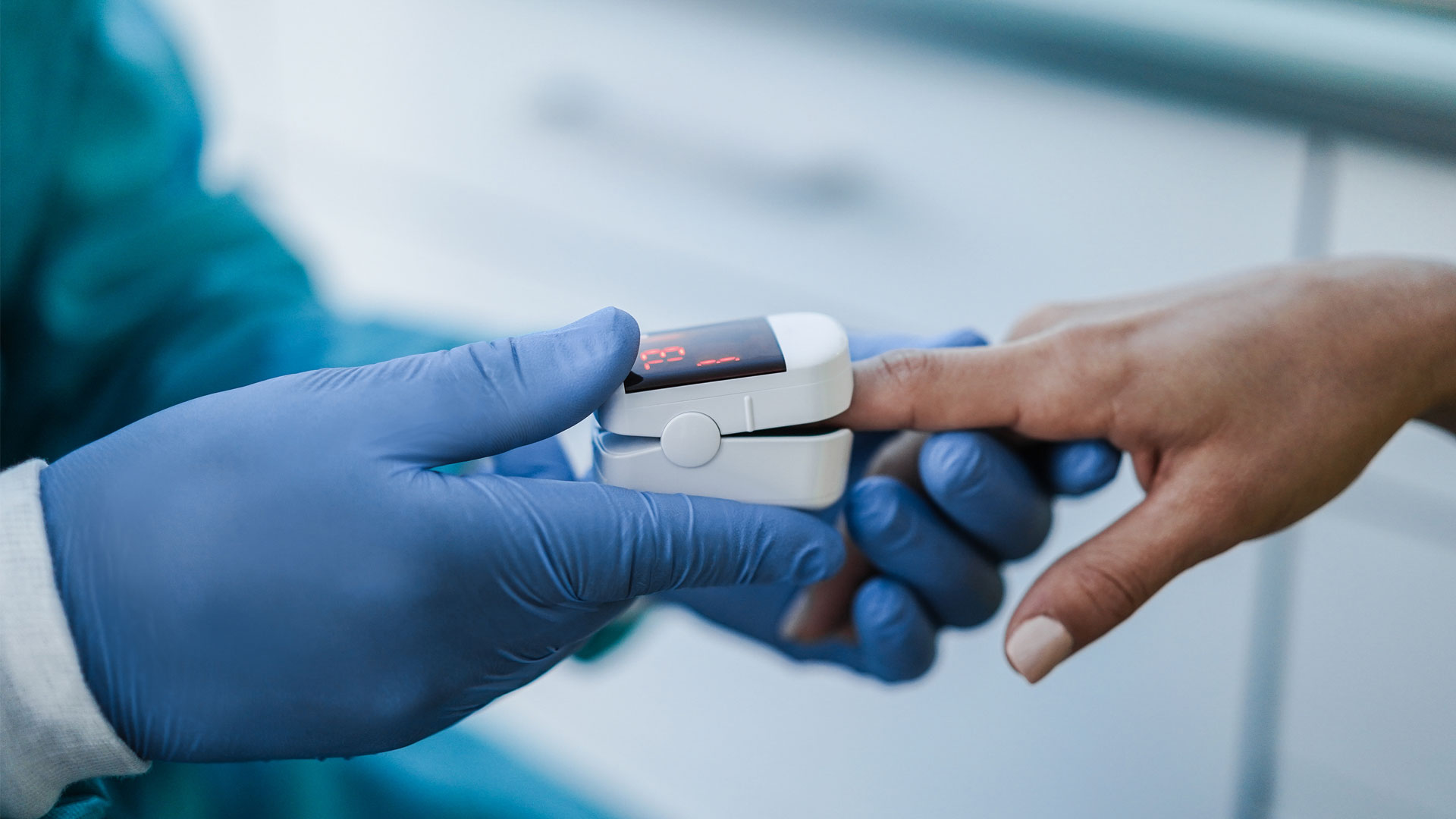
Doctors may measure blood oxygen levels using a small device called a pulse oximeter, which estimates how much oxygen is circulating in the blood.
:max_bytes(150000):strip_icc()/red-blood-cells--beautiful-scientific-background--628279656-9c8737d966724401b481e82952e6e21d.jpg)
The Bottom Line
Your body depends on oxygen to keep every organ functioning properly. When oxygen levels fall too low, the body often sends warning signals such as shortness of breath, headaches, fatigue, or confusion.
Paying attention to these symptoms can help you recognize potential health problems early. If you experience persistent or worsening signs, seeking medical advice is the safest step to protect your health.