Warning: This Lump May Be Caused by Something You Do Every Day 👇
Finding a lump on your body can be worrying. Most people immediately think of something serious, but in many cases, lumps are caused by common, everyday habits that go unnoticed.
While it’s always important to get any new or unusual lump checked by a healthcare professional, here are some everyday causes that may contribute to certain types of harmless lumps.
🧴 1. Skin irritation from shaving or friction

One of the most common causes of small lumps is irritation from shaving, tight clothing, or repeated friction on the skin. This can lead to:
- Ingrown hairs
- Inflamed hair follicles (folliculitis)
- Small, tender bumps under the skin
These usually appear in areas like the neck, armpits, or groin.
💪 2. Repeated pressure or minor injury
Constant pressure on a specific area—such as leaning on elbows or carrying heavy bags on one shoulder—can sometimes cause:
- Thickened tissue
- Small cyst-like lumps
- Local inflammation
These lumps are often harmless but may persist if the pressure continues.
🧼 3. Blocked oil glands
Your skin naturally produces oil, but when pores or glands become blocked, it can lead to:
- Sebaceous cysts
- Small, soft lumps under the skin
- Slow-growing bumps that are usually painless
These are very common and often linked to skin hygiene, hormones, or genetics.
🏃 4. Exercise-related muscle strain
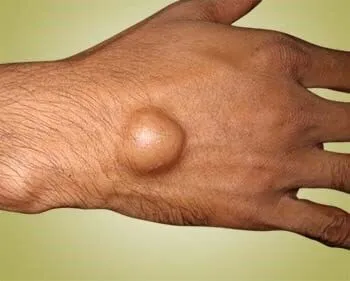
Sometimes, what feels like a “lump” is actually:
- A muscle knot
- Swelling from minor injury
- Localized inflammation after exercise
These often appear after new or intense physical activity and may improve with rest.
⚠️ When you should be careful
Even though many lumps are harmless, you should see a doctor if you notice:
- A lump that is growing quickly
- Pain that doesn’t go away
- Hard, fixed lumps under the skin
- Changes in skin color over the lump
- Fever or unexplained symptoms
Early checking is always the safest option.
🧠 Final thoughts

Not every lump is dangerous. In fact, many are linked to simple daily habits like friction, blocked pores, or minor injuries. However, self-diagnosis is never enough—when in doubt, it’s always best to get a professional opinion.
📌 Disclaimer
This content is for informational purposes only and does not replace medical advice. Always consult a healthcare professional for diagnosis.