How Dangerous Is Cancer?
There’s a saying: “The mere mention of cancer strikes fear in everyone.” This is because cancer remains an incurable disease, with treatments mainly aimed at prolonging life and improving patients' quality of life.
Cancer is a malignant tumor that severely damages health. If not detected early and treated promptly, cancer cells can spread rapidly, invading the entire body and posing a direct threat to life.
Why Is Cancer So Terrifying?
1. Silent Progression, Difficult to Detect Early
- Cancer cells grow uncontrollably, forming tumors and invading healthy tissues.
- In the early stages, symptoms are often vague, making detection difficult. By the time it's diagnosed, the disease is often advanced and harder to treat.
2. Severe Physical and Emotional Impact
- Surgery: May require removal of organs such as the breast, uterus, or kidneys, leading to loss of function.
- Chemotherapy: Kills both cancerous and healthy cells, causing nausea, hair loss, and weakened immunity.
- Radiation Therapy: Affects DNA, potentially leading to skin burns, mouth ulcers, and extreme fatigue.
3. High Risk of Recurrence and Metastasis
- Even after treatment, cancer can return or spread to other organs.
- Patients must undergo lifelong health monitoring even if they achieve remission.
4. Financial and Psychological Burden
- High treatment costs, especially for advanced medical procedures.
- Loss of income due to illness, adding financial strain on families.
- Social stigma—some patients face isolation, depression, and anxiety due to misunderstandings about their condition.
Why Are Cancer Cases on the Rise?
1. Aging Population
- The older a person gets, the higher the risk of cancer.
- Advances in healthcare have extended life expectancy, but this also increases the likelihood of chronic diseases and cancer.
2. Environmental Pollution
- Air pollution, industrial chemicals, and pesticides contain carcinogens.
- Toxic air increases lung cancer risk, while contaminated water and soil contribute to liver and stomach cancer.
3. Unhealthy Lifestyles
- Processed foods, excessive oil consumption, and contaminated food raise cancer risks.
- Sedentary lifestyles, prolonged sitting, and obesity increase susceptibility.
- Smoking and alcohol consumption are major causes of lung, oral, and liver cancer.
4. Genetic Factors
- A family history of breast, colorectal, or lung cancer increases the likelihood of developing these conditions.
6 Vegetables That Contain Natural Toxins—Handle With Care
While vegetables are nutrient-rich, some contain natural toxins that may be harmful if not prepared properly.
1. Nightshade Vegetables (Tomatoes, Eggplants, Peppers)
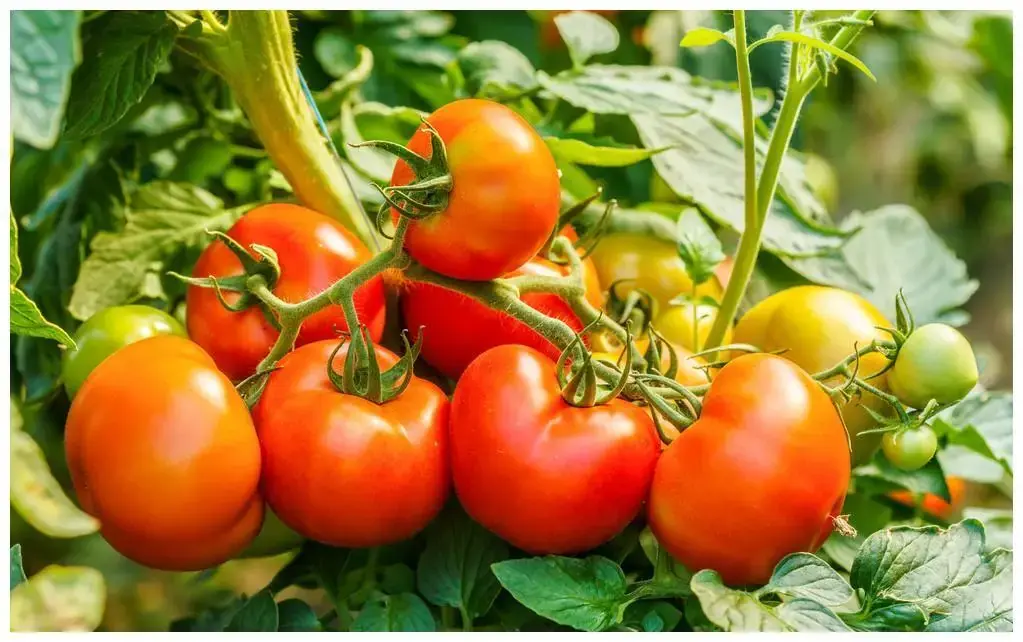
- Contain alkaloids that can irritate the stomach and disrupt digestion if consumed raw or in large amounts.
- Solution: Cook thoroughly to neutralize harmful compounds.
2. Cruciferous Vegetables (Broccoli, Cabbage, Mustard Greens)
- Contain glucosinolates, which convert into isothiocyanates—compounds linked to cancer risks when consumed excessively.
- Solution: Eat in moderation; avoid overcooking to preserve beneficial antioxidants.
3. Bitter Vegetables (Cucumbers, Winter Melons)
- Contain cucurbitacin, which can cause nausea, diarrhea, and poisoning if consumed unripe.
- Solution: Choose ripe produce and cook before eating.
4. Legumes (Green Beans, Peas, Bean Sprouts)
- Contain phytohemagglutinin, which can cause bloating, diarrhea, and food poisoning if eaten raw.
- Solution: Boil or steam thoroughly before consumption.
5. Allium Vegetables (Onions, Garlic, Leeks)
- Contain sulfur compounds, which may cause bloating and stomach irritation.
- Solution: Soak in water before use to reduce potential side effects.
6. Strongly Aromatic Vegetables (Celery, Carrots)
- Contain volatile compounds that may irritate the respiratory system.
- Solution: Store in a well-ventilated area before consuming.
Tips for Cancer Prevention
1. Maintain a Healthy Diet
- Avoid fried, processed foods, excessive sugar, salt, and preservatives.
- Prioritize organic foods and proper food preparation to eliminate toxins.
2. Exercise Regularly
- Engage in 30–45 minutes of physical activity daily to boost immunity and lower cancer risks.
3. Avoid Smoking and Alcohol
- Smoking is the leading cause of lung cancer.
- Alcohol increases the risk of liver, esophageal, and stomach cancer.
4. Protect Your Living Environment
- Reduce exposure to air pollution, industrial chemicals, and pesticides.
- Drink clean water and eat safe, toxin-free food.
5. Get Regular Health Screenings
- Cancer screenings help detect diseases early, significantly improving treatment success rates.
Final Thoughts
The rising cancer rates are driven by unhealthy lifestyles, environmental pollution, and genetic factors. Some vegetables contain natural toxins, but rather than eliminating them, it's crucial to prepare them correctly to minimize health risks.
To reduce cancer risks, focus on healthy eating, regular exercise, avoiding smoking and alcohol, and routine health checkups. Only by adopting a scientific and balanced lifestyle can we safeguard our health and prevent cancer in the long run.