At first glance, water caltrop hardly looks like something you'd want to eat.
With its dark shell, hard exterior, and distinctive shape resembling a pair of buffalo horns, this unusual aquatic fruit can look more like a strange seed or piece of natural decoration than a nutritious food.
Yet water caltrop has been eaten for generations in parts of Asia and other regions where the plant grows. Once the tough outer shell is removed, the inside contains a pale, starchy kernel that can be boiled, steamed, roasted, or incorporated into a variety of traditional dishes.
Known scientifically under the genus Trapa, water caltrop is sometimes called buffalo nut, water chestnut in some local traditions, or simply caltrop. It should not be confused with the familiar Chinese water chestnut, which is a completely different plant.
What makes water caltrop particularly interesting is the combination of its unusual appearance, traditional culinary uses, and nutritional profile.
While it should not be treated as a miracle food, it can be an interesting addition to a varied diet.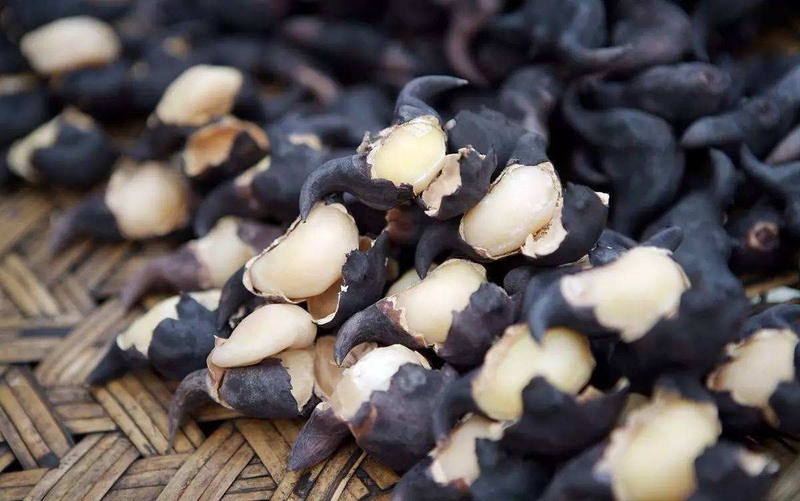
What Exactly Is Water Caltrop?
Water caltrop is the fruit of an aquatic plant that grows in freshwater environments.
The plant produces floating leaves and distinctive fruits with hard shells. Depending on the species and variety, the fruits can develop pointed projections that give them their characteristic horn-like appearance.
Once mature, the fruit becomes quite hard.
Inside that shell is an edible kernel containing carbohydrates, some protein, and a variety of micronutrients.
In regions where water caltrop is traditionally consumed, the fruits may be boiled or roasted before the edible portion is removed.
The preparation method matters because the outer shell is extremely hard and is not meant to be eaten.
Why Is It Called the “Buffalo Horn” Food?
The nickname comes from its appearance.
The fruit can develop prominent pointed projections that resemble the horns of a buffalo.
That unusual shape has made water caltrop easy to recognize and has also contributed to its popularity in traditional markets and social media videos.
But the strange shape is not the most interesting thing about it.
The edible interior has a mild, slightly sweet or nutty flavor and a texture that is often described as firm and starchy.
It can be eaten on its own or incorporated into savory and sweet dishes.
A Naturally Starchy Food
One of the defining nutritional characteristics of water caltrop is its carbohydrate content.
The edible kernel contains starch, which provides the body with glucose that can be used as an energy source.
This makes it somewhat different from foods that are primarily sources of fat or protein.
For people looking for a filling plant-based food, a starchy ingredient such as water caltrop can fit into meals alongside vegetables, legumes, fish, eggs, or other protein-rich foods.
As with any carbohydrate-rich food, portion size and the overall composition of the meal matter.
A serving of water caltrop is one thing.
A diet dominated by large portions of refined or starchy foods is another.
It Can Provide Some Plant Protein
Water caltrop is not a protein powerhouse in the same way that beans, lentils, soy foods, eggs, fish, or dairy products can be.
However, the edible kernel does contain some protein.
For people following diets that include a wide variety of plant foods, even modest contributions from individual ingredients can add up over the course of a day.
The best approach is to combine water caltrop with stronger protein sources rather than expecting it to meet all protein requirements by itself.
A meal of water caltrop, vegetables, tofu, beans, or another protein source can be substantially more balanced than eating the fruit alone.
It Contains Fiber
Depending on the variety and preparation, water caltrop can contribute dietary fiber.
Fiber is important for digestive health and can also help with feelings of fullness.
Eating a variety of fiber-containing foods is associated with numerous health benefits, including better digestive function and improved overall dietary quality.
However, the exact fiber content can vary, and water caltrop should not be considered a replacement for the many other excellent sources of fiber available.
Vegetables, fruits, whole grains, legumes, nuts, and seeds all remain important.
Vitamins and Minerals Add to Its Appeal
Water caltrop contains more than just starch.
Its nutritional composition can include minerals such as potassium, phosphorus, magnesium, and other micronutrients, although the exact amounts vary depending on the species, growing conditions, maturity, and preparation method.
These nutrients contribute to normal body functions.
For example, potassium plays an important role in fluid balance, muscle function, and nerve signaling.
Magnesium is involved in hundreds of biochemical reactions in the body, including energy metabolism and muscle and nerve function.
Phosphorus contributes to bones, teeth, and cellular processes.
However, it is important not to interpret the presence of a nutrient as proof that the food can prevent or treat a specific disease.
Nutrition works through the overall pattern of what you eat.
It May Contain Beneficial Plant Compounds
Like many plant foods, water caltrop contains naturally occurring compounds beyond basic vitamins and minerals.
Researchers have investigated different Trapa species for compounds with antioxidant and other biological activities.
Laboratory and preliminary studies have explored extracts from the plant for potential effects involving oxidative stress, inflammation, and microbial activity.
These findings are scientifically interesting.
But there is a major difference between a compound showing activity in laboratory research and a food being proven to prevent or treat disease in humans.
A bowl of boiled water caltrop should not be viewed as a medical treatment simply because scientists have identified potentially active compounds in the plant.
Antioxidants and Oxidative Stress
The body naturally produces reactive molecules during normal metabolism.
Antioxidants help protect cells from oxidative damage by interacting with some of these molecules.
Plant foods can provide a variety of compounds that contribute to antioxidant defenses.
Water caltrop has been studied for antioxidant activity, particularly in extracts and laboratory models.
That makes it an interesting subject for nutrition research.
Still, the practical takeaway is straightforward: eating a variety of fruits, vegetables, legumes, whole grains, nuts, seeds, and other plant foods provides a much broader range of beneficial compounds than relying heavily on any single unusual ingredient.
It Can Be a Filling Food
Because water caltrop contains starch and has a relatively substantial texture, it can be satisfying.
That can make it useful as part of a meal when paired with vegetables and protein.
Satiety is influenced by many factors, including protein, fiber, food volume, and the overall structure of a meal.
Water caltrop alone is not necessarily a high-protein or high-fiber food, but its texture and carbohydrate content can help make a meal feel more substantial.
How Do People Eat It?
Traditional preparation varies by region.
Water caltrop may be:
Boiled
Steamed
Roasted
Added to soups or stews
Incorporated into rice or grain dishes
Ground into flour in some culinary traditions
The hard shell generally needs to be removed before eating the edible kernel.
Because preparation practices differ, cooking thoroughly and handling the fruit appropriately are important.
Why Cooking Matters
Raw aquatic plant products can carry microbiological risks depending on where and how they were grown, harvested, handled, and sold.
For that reason, casually eating raw water-grown produce from an unknown source isn't a good idea.
Proper cooking can make the food safer and also soften the texture.
Anyone collecting wild aquatic plants should be particularly cautious about contamination, parasites, pollutants, and correct species identification.
A supermarket or reputable food supplier is generally a safer source than eating an unidentified aquatic plant collected from a pond or river.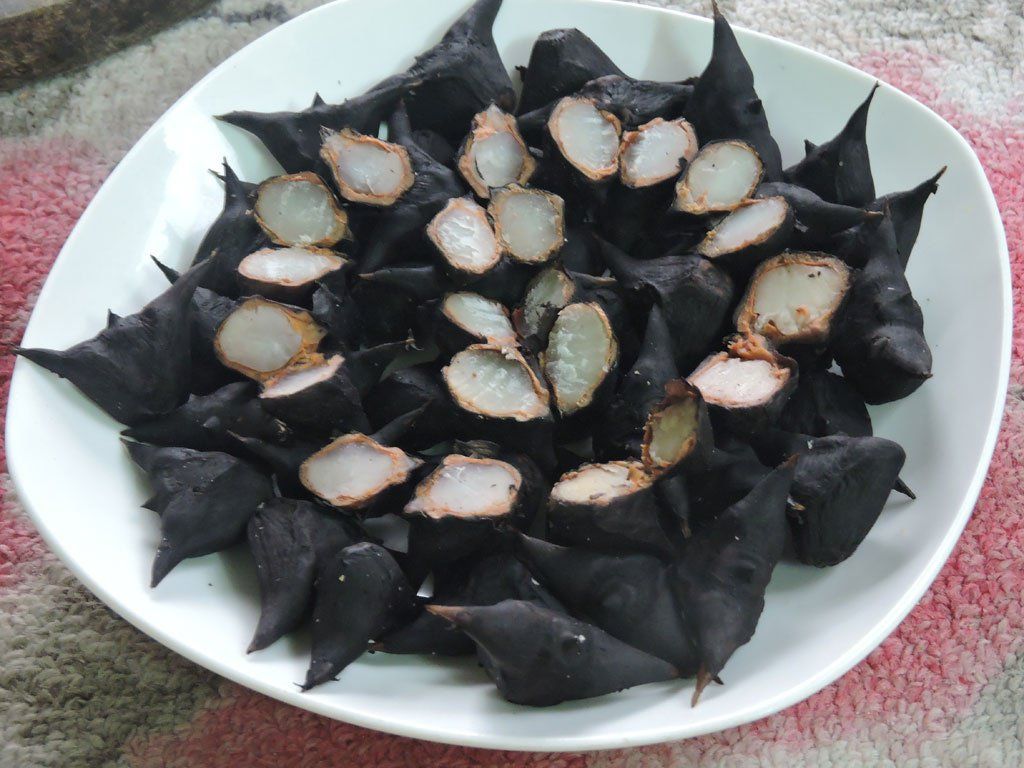
Water Caltrop Is Not the Same as Chinese Water Chestnut
This is an important distinction.
The phrase “water chestnut” is sometimes used loosely for different aquatic foods.
Chinese water chestnut, scientifically known as Eleocharis dulcis, is a grass-like aquatic plant whose underground corm is commonly eaten in Asian cuisine.
Water caltrop, by contrast, belongs to the Trapa genus and produces the distinctive horn-shaped fruit.
They are botanically unrelated despite the similar names used in some places.
This matters because nutritional information, preparation methods, and safety considerations should not automatically be transferred from one plant to the other.
Could Water Caltrop Support Heart Health?
A healthy diet can support cardiovascular health, but it would be an exaggeration to say that water caltrop itself protects the heart.
Its potential contribution is more indirect.
As a plant-based food, it can be part of a dietary pattern that includes more minimally processed foods and fewer heavily processed snacks.
Its carbohydrate content, micronutrients, and potential fiber contribution can fit into a balanced eating plan.
However, heart health depends on many factors, including blood pressure, cholesterol, blood sugar, physical activity, smoking, sleep, genetics, and overall diet.
One unusual fruit cannot override those factors.
What About Blood Sugar?
Because water caltrop contains starch, people with diabetes or insulin resistance should consider how it fits into their carbohydrate intake.
A food containing starch can raise blood glucose depending on portion size, preparation, and what else is eaten with it.
Pairing carbohydrate-rich foods with protein, fiber, and healthy fats can influence how quickly a meal is digested and absorbed.
For someone managing diabetes, individualized dietary guidance can be much more useful than simply labeling a food “good” or “bad.”
Could It Help With Weight Management?
Water caltrop may be useful in a balanced diet, but it should not be marketed as a weight-loss food.
Successful weight management depends primarily on the overall relationship between energy intake and expenditure, along with food quality, appetite, physical activity, sleep, and numerous other factors.
A serving of boiled water caltrop may be a reasonable alternative to some highly processed snack foods.
But adding large portions on top of an already high-calorie diet won't necessarily support weight loss.
The preparation method matters too.
Deep-frying or coating the food with large amounts of sugar or high-calorie sauces can substantially change the nutritional profile.
Traditional Use Doesn't Automatically Equal Medical Proof
Water caltrop has a long history of traditional use in various communities.
Traditional foods can be culturally important and nutritionally valuable.
But traditional use should not be confused with clinical evidence.
A food may have been consumed for centuries without being scientifically established as a treatment for a disease.
That distinction becomes especially important online, where traditional ingredients are sometimes promoted as cures for diabetes, cancer, high blood pressure, infections, or other serious illnesses.
There is currently no reason to treat ordinary water caltrop as a substitute for medical treatment.
What Makes This Food So Interesting?
Perhaps the most appealing thing about water caltrop is the contrast between its appearance and its culinary purpose.
The outside looks hard, dark, and almost prehistoric.
Inside is a relatively mild, starchy food that can be eaten in familiar ways.
It is a reminder that many foods we consider unusual are perfectly ordinary staples somewhere else in the world.
Across different cultures, people have learned to use plants that may look strange to outsiders but have practical nutritional and culinary value.
Who Should Be Careful?
Most people can potentially include properly prepared water caltrop as part of a varied diet, but certain situations call for caution.
People with diabetes or other conditions requiring carbohydrate management should consider portion size.
Anyone with food allergies should be cautious when trying an unfamiliar food.
People with digestive sensitivities may also want to begin with a modest serving.
Most importantly, avoid consuming wild-harvested aquatic plants when you are uncertain about the species or the safety of the water in which they grew.
Aquatic environments can contain contaminants that aren't obvious from the appearance of the fruit.
A Better Way to Add It to Your Diet
Instead of treating water caltrop as a “superfood,” think of it as an interesting whole-food ingredient.
Try pairing it with:
Fresh vegetables.
Beans or lentils.
Fish or lean meats.
Eggs.
Tofu or other plant proteins.
Herbs and spices.
A moderate amount of healthy fat.
This creates a more balanced meal than relying on the caltrop alone.
For example, boiled water caltrop can be served alongside sautéed vegetables and tofu, added to a mixed grain bowl, or incorporated into a soup with legumes and vegetables.
The unusual food becomes one component of a broader nutritional pattern.
What About the Seeds?
The edible kernel inside the hard fruit is essentially the part people eat.
Depending on the species and maturity, it can have a firm texture and a mild flavor.
Some traditional preparations involve cooking the whole fruit and then cracking the shell open to reach the edible portion.
This is somewhat similar to eating a nut, although botanically and nutritionally water caltrop is better understood as a starchy aquatic fruit rather than a conventional tree nut.
Can Children Eat It?
Properly cooked water caltrop may be eaten by children as part of an appropriate diet, but hard pieces and shells present a potential choking hazard.
The edible portion should be prepared into an age-appropriate texture, particularly for younger children.
As with any unfamiliar food, introduce it appropriately and observe for signs of an allergic or adverse reaction.
Is It Suitable for a Plant-Based Diet?
Yes, water caltrop is a plant-derived food and can fit into vegetarian and vegan eating patterns.
Its main nutritional role is closer to that of a starchy food than a major protein source.
Someone following a plant-based diet should therefore combine it with legumes, soy foods, nuts, seeds, whole grains, and other protein-rich foods to create nutritional variety.
The Bigger Lesson About Unusual Foods
Foods like water caltrop are a good reminder that nutrition doesn't have to be limited to the ingredients we see most often in Western supermarkets.
Around the world, people eat an extraordinary range of roots, seeds, fruits, aquatic plants, grains, legumes, and other foods that may look unfamiliar to outsiders.
Some are nutrient-dense.
Some are simply delicious.
Many are both.
Exploring these foods can expand the variety of a diet while providing opportunities to discover traditional culinary practices from different cultures.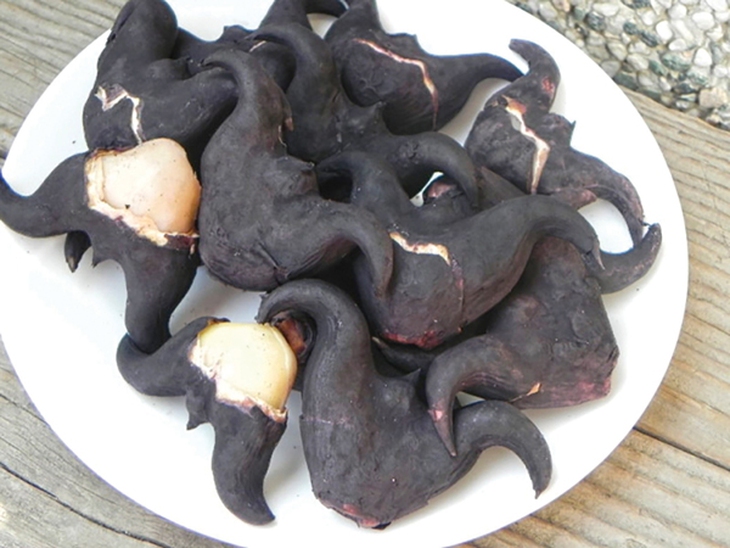
The Bottom Line
Water caltrop is an unusual aquatic food with a distinctive “buffalo horn” appearance and an edible, starchy interior.
It can provide carbohydrates, some protein, fiber, minerals, and various naturally occurring plant compounds, although its exact nutritional composition depends on the species, growing conditions, maturity, and preparation.
Research into Trapa species has also explored antioxidant and other biological properties, but these findings should not be turned into claims that eating water caltrop can cure or prevent serious illnesses.
The healthiest way to approach it is much simpler.
Enjoy it as a traditional food.
Prepare it properly.
Pair it with vegetables and protein.
Keep portions appropriate for your individual nutritional needs.
And avoid eating unidentified wild aquatic plants or products from potentially contaminated water.
The strangest-looking foods aren't necessarily the least nutritious.
Sometimes, the little horn-shaped fruit hiding inside a hard shell is simply another example of how much variety nature has to offer.