
Have You Ever Wondered What the Lines on Your Palm Traditionally Represent?
A Guide to the Main Palm Lines and Their Traditional Meanings
Facts 22/07/2026 09:45
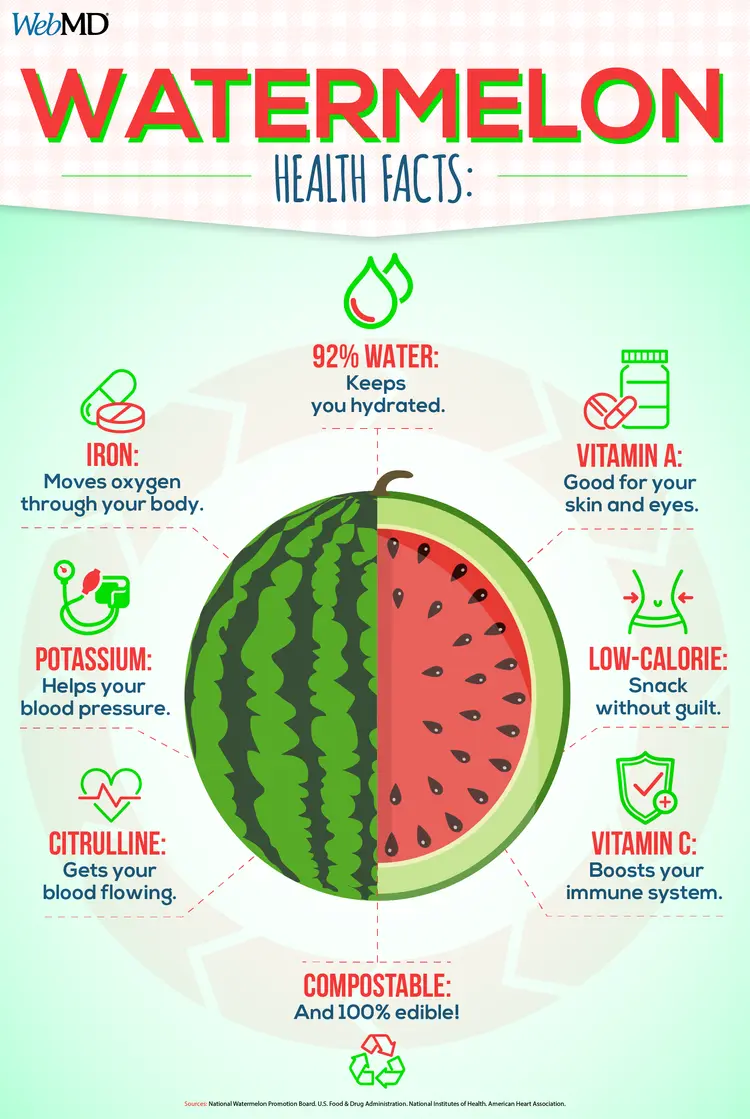
Watermelon is one of the most popular fruits during hot weather, thanks to its juicy texture and refreshing taste. While it's often thought of as simply a summer treat, watermelon is also packed with water, vitamins, minerals, and antioxidants that can support overall health. Although it won't literally "cool down" your body temperature, its high water content makes it an excellent food for staying hydrated in warm weather.
Here are 10 reasons why watermelon is a healthy addition to your diet.
Watermelon is made up of about 91–92% water, making it one of the most hydrating fruits.
Staying well hydrated helps:
Regulate body temperature.
Replace fluids lost through sweating.
Support kidney function.
Improve digestion.
Maintain healthy skin.
Eating watermelon can contribute to your daily fluid intake, especially during hot summer months.
Watermelon provides vitamin C, an essential nutrient that supports:
A healthy immune system.
Collagen production.
Wound healing.
Healthy skin.
Protection against oxidative stress.
One serving contributes a meaningful amount toward your daily vitamin C needs.
Its bright red flesh contains beta-carotene, which the body converts into vitamin A.
Vitamin A supports:
Healthy vision.
Skin health.
Immune function.
Normal cell growth.
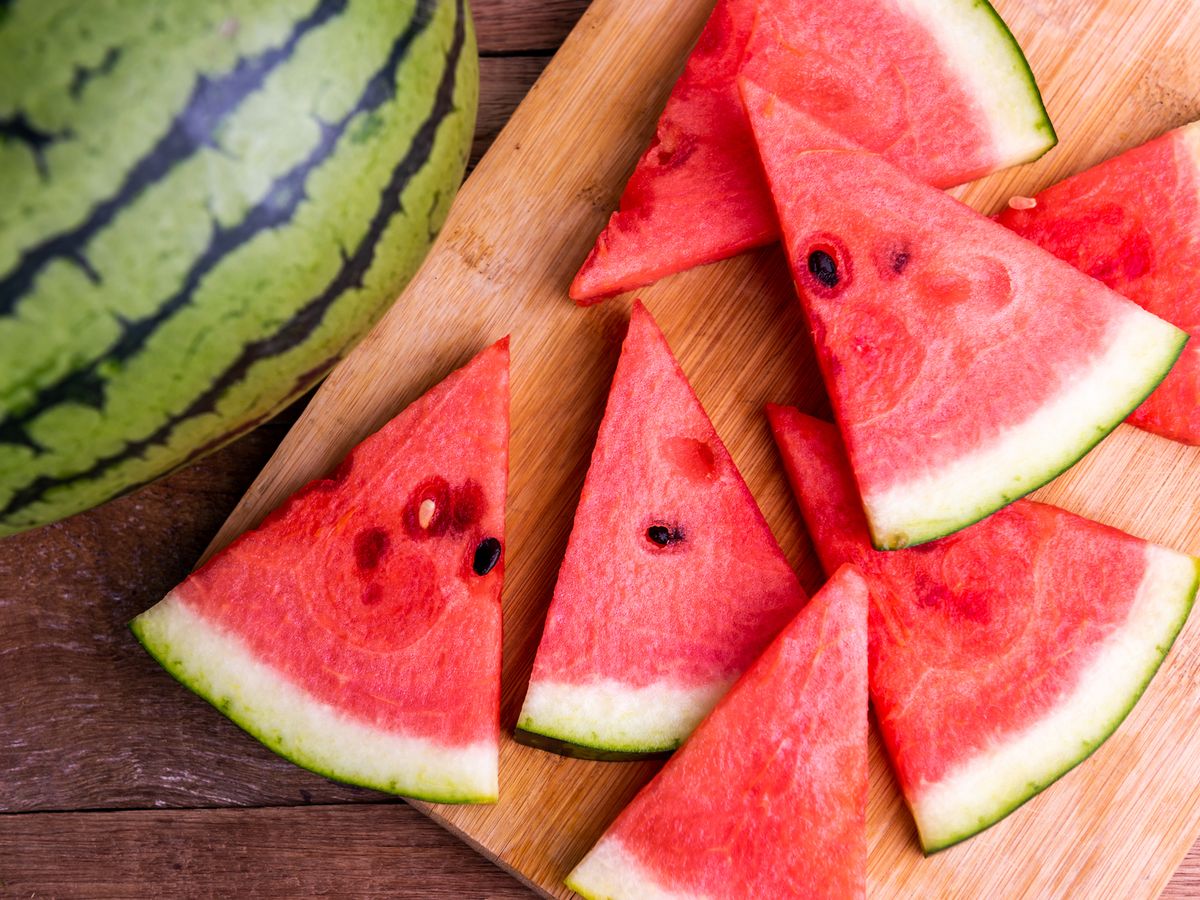
Watermelon is one of the richest natural sources of lycopene, a powerful antioxidant responsible for its red color.
Research suggests lycopene may help:
Protect cells from oxidative damage.
Support heart health.
Promote healthy aging.
More research is ongoing to better understand its long-term health effects.
Watermelon contains potassium, an important mineral that helps:
Maintain normal blood pressure.
Support muscle contractions.
Balance body fluids.
Promote proper nerve function.
Potassium is especially important after sweating during hot weather or exercise.
Watermelon's combination of:
Lycopene.
Potassium.
Vitamin C.
may support cardiovascular health as part of an overall healthy diet rich in fruits and vegetables.
Despite its naturally sweet taste, watermelon is relatively low in calories.
This makes it a satisfying snack for people trying to maintain or lose weight while still enjoying something refreshing.
The water, vitamin C, and vitamin A found in watermelon contribute to healthy skin by supporting hydration and collagen production.
Proper hydration also helps maintain skin elasticity and appearance.
Watermelon naturally contains the amino acid citrulline, which has been studied for its potential role in improving blood flow and reducing muscle soreness after exercise.
Although research is promising, more studies are needed before firm conclusions can be made.
Watermelon can be served:
Fresh as a snack.
In fruit salads.
Blended into smoothies.
Frozen into popsicles.
Mixed into salsa.
Added to yogurt or cottage cheese.
Its naturally sweet flavor makes it a healthier alternative to many sugary desserts.
In many cultures, watermelon is considered a "cooling" food because it is juicy and refreshing.
From a scientific perspective, watermelon does not directly lower your body's core temperature. Instead, it helps replace fluids lost through sweating and supports hydration, which can make you feel more comfortable in hot weather.
For the best flavor:
Look for a creamy yellow field spot.
Choose one that feels heavy for its size.
Tap it—it should produce a deep, hollow sound.
Avoid melons with soft spots or cracks.
A ripe watermelon is sweeter, juicier, and more flavorful.
Watermelon is much more than a refreshing summer fruit. Its high water content helps support hydration, while it also provides vitamin C, vitamin A (from beta-carotene), potassium, lycopene, and citrulline. These nutrients may support heart health, healthy skin, immune function, and recovery after exercise.
Enjoy watermelon as part of a balanced diet, and remember that while it can help you stay hydrated during hot weather, it is not a substitute for drinking enough water throughout the day.
A Guide to the Main Palm Lines and Their Traditional Meanings

Before You Replace Your Jeans, Here's Why They May Be Wavy After Washing


25-Year-Old Man Suffers Kidney Failure After Just One Bite

What Should You Do If a Bird Flies Into Your House?
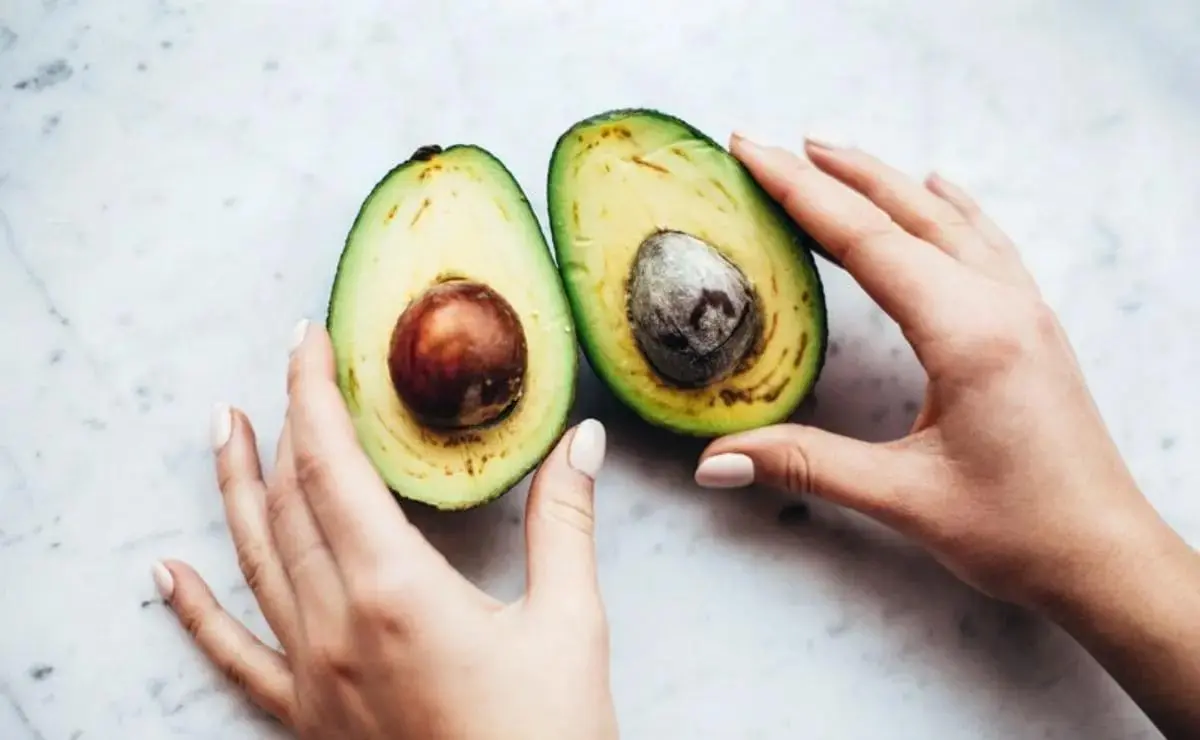
Not Every Brown Spot Means Your Avocado Has Gone Bad

It's Been Right in Front of You All Along—But What Does This Seatbelt Button Really Do? 👇

Your Toes May Be Sending You Signals About Your Health—Are You Paying Attention?

Helping a waiter clear the table may seem like a small gesture, but psychologists say it can reveal meaningful personality traits.

Next Time You Fly, Pay Attention to What Flight Attendants Do Before Takeoff! 😲


He Thought It Was Goodbye


The Spiritual Symbolism of Black Butterflies Explained


What It Usually Means When Your Cat Rubs Against You?

Changes in Breathing Sounds Are a Common Part of End-of-Life Care for Some People

Dry Skin Care: 12 Practical Tips for Healthier-Looking Skin

Waking Up Every Night to Urinate? Your Body May Be Sending an Important Signal… See More 👇👇
A Guide to the Main Palm Lines and Their Traditional Meanings

Can Certain Drinks Help with Kidney Stones? Here's What Research Says


Mint and Lemon Water: Potential Benefits and What We Know

Before You Put Food in the Fridge Again, Read This List of 8 Common Mistakes… See More 👇👇

Healthy Arteries: Lifestyle Habits That May Help Protect Your Heart
Before You Replace Your Jeans, Here's Why They May Be Wavy After Washing

Hidden Inside This Common Fish Could Be Something You Never Expected… 😨🐟 See More 👇👇

Eating Okra Every Day? Doctors Reveal What Could Happen… See More 👇👇

Doctors Reveal What Happens When You Eat Eggs Every Morning… See More

Before You Eat It Raw, Check If It's on This List

Most People Never Check These Ingredients in Supermarket Meat

Never Buy Dry Oranges Again—Check This First

Recognize These 8 Early Stroke Warning Signs Before It's Too Late

Frequent nighttime leg cramps may signal more than simple muscle fatigue.

These Common Conditions May Be Causing Your Hip Pain—Learn the Signs