Corn Silk: Health Benefits and How to Use It
Corn silk—the soft, thread-like strands found inside the husk of corn from Zea mays—has been used for centuries in traditional medicine. Often overlooked and discarded, this natural material is actually rich in plant compounds that may offer a range of health benefits. However, while many claims exist, it’s important to separate traditional uses from scientifically proven effects.
What Is Corn Silk?

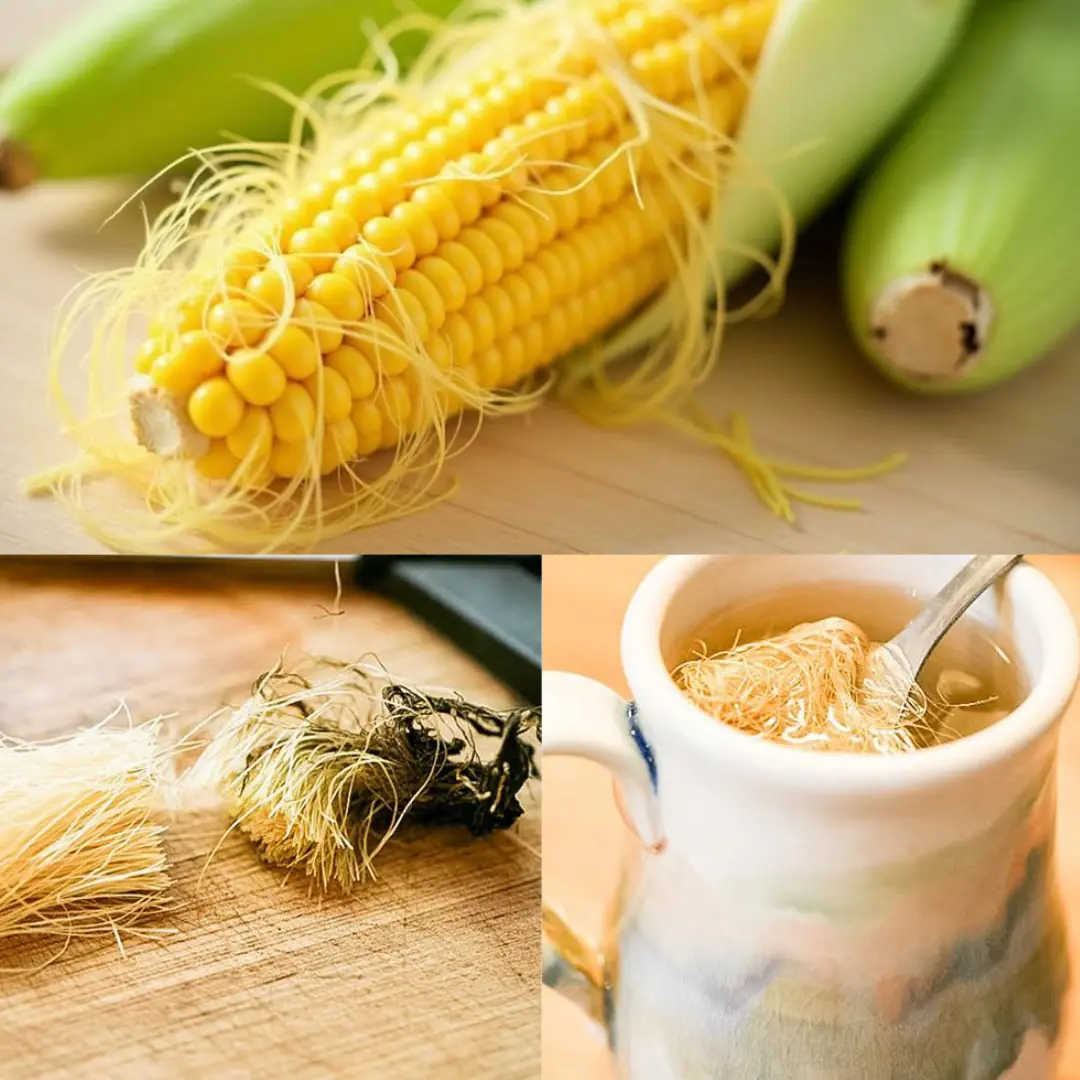
Corn silk consists of the fine fibers that grow beneath the corn husk. It contains flavonoids, vitamins, minerals (like potassium), and antioxidants. In traditional herbal practices, it is commonly dried and brewed into tea.
Potential Health Benefits
1. Supports Urinary Health
Corn silk is best known for its mild diuretic effect, helping increase urine flow. It has traditionally been used to support bladder health and relieve irritation in the urinary tract.
2. May Help with Kidney Function
Because of its diuretic properties, corn silk tea is sometimes used to help flush out toxins and support kidney function. However, this is based mostly on traditional use rather than strong clinical evidence.
3. Anti-Inflammatory Properties
Corn silk contains plant compounds that may help reduce inflammation, which can be beneficial for minor swelling or irritation.
4. Rich in Antioxidants
The antioxidants in corn silk may help protect cells from oxidative stress, supporting overall health.
5. May Help Regulate Blood Sugar
Some early studies suggest corn silk could have a role in supporting blood sugar control, but more research is needed before firm conclusions can be made.
6. May Support Heart Health
Its potassium content and antioxidant activity may contribute to maintaining healthy blood pressure levels.
How to Use Corn Silk
1. Corn Silk Tea (Most Common Method)
Ingredients:
- Fresh or dried corn silk
- Water
Instructions:
- Rinse the corn silk thoroughly
- Boil in water for 10–15 minutes
- Strain and drink warm
👉 You can drink 1–2 cups per day in moderation.
2. Dried Herbal Use
Corn silk can be dried and stored, then used later for tea or herbal mixtures.
3. Powder or Extract
In some regions, corn silk is processed into powder or supplements—but quality and safety can vary.
Safety and Precautions

- Avoid excessive use (may cause electrolyte imbalance due to diuretic effect)
- Pregnant or breastfeeding individuals should consult a doctor
- People with kidney or heart conditions should be cautious
- Always wash thoroughly to remove pesticides
Conclusion
Corn silk is a simple, natural ingredient with a long history in herbal medicine. It may offer mild benefits—especially for hydration and urinary support—but claims of “30 powerful health effects” are largely exaggerated. Used correctly, it can be a safe and interesting addition to a balanced lifestyle, but it should not replace medical treatment.