The tongue can reveal a surprising amount about overall health. Healthcare professionals often examine the tongue during routine medical and dental visits because changes in its appearance may provide clues about hydration, oral hygiene, infections, nutritional status, and certain medical conditions.
One of the most common changes people notice is a white coating on the tongue. While a white tongue is often harmless and temporary, it can sometimes indicate an underlying issue that deserves attention.
Fortunately, most causes of a white tongue are treatable, especially when identified early. Understanding the possible reasons behind this symptom can help individuals determine when simple self-care may be enough and when a medical evaluation may be appropriate.
What Is a White Tongue?
A white tongue occurs when the surface of the tongue develops a white coating, patches, or discoloration.
What Causes the White Appearance?
The tongue is covered with tiny projections called papillae.
These structures can trap:
-
Dead cells
-
Food debris
-
Bacteria
-
Other substances
When these materials accumulate, the tongue may appear white.

Is a White Tongue Always a Problem?
Not necessarily.
In many cases, a white tongue is temporary and harmless.
Common Situations Include
-
Mild dehydration
-
Dry mouth
-
Poor oral hygiene
-
Temporary illness
However, persistent changes should not be ignored.
Cause #1: Poor Oral Hygiene
One of the most common reasons for a white tongue is inadequate oral hygiene.
Why It Happens
When bacteria and debris accumulate on the tongue, a visible coating may develop.
Additional Signs
-
Bad breath
-
Dry mouth
-
Coated appearance
What May Help
-
Brushing teeth regularly
-
Cleaning the tongue
-
Flossing daily
-
Regular dental checkups
Good oral hygiene often improves symptoms significantly.
Cause #2: Dry Mouth
Saliva plays an important role in maintaining oral health.
When Saliva Production Decreases
Bacteria and debris may accumulate more easily.
Possible Causes of Dry Mouth
-
Dehydration
-
Certain medications
-
Mouth breathing
-
Sleep disorders
Common Symptoms
-
Sticky feeling in the mouth
-
Increased thirst
-
White tongue coating
Staying hydrated may help in many cases.
Cause #3: Dehydration
Insufficient fluid intake can affect the appearance of the tongue.
Why?
Dehydration reduces saliva production.
Possible Signs
-
White tongue
-
Dry lips
-
Thirst
-
Dark urine
Increasing fluid intake may help restore normal oral moisture.
Cause #4: Oral Thrush
Oral thrush is a fungal infection caused by an overgrowth of Candida yeast.
What It Looks Like
-
White patches
-
Creamy deposits
-
Areas that may be difficult to wipe away
Risk Factors
-
Diabetes
-
Antibiotic use
-
Denture use
-
Weakened immune systems
Medical evaluation is often recommended when oral thrush is suspected.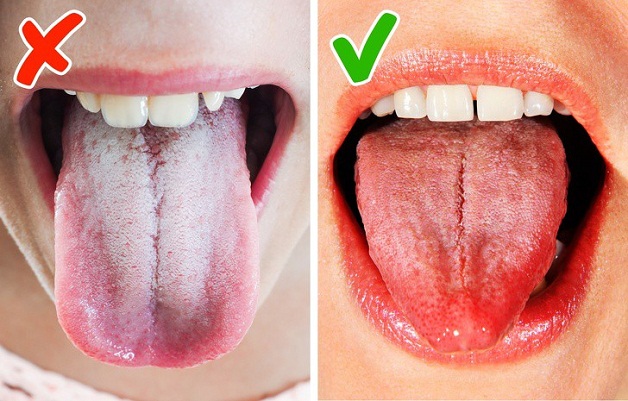
Cause #5: Smoking and Tobacco Use
Tobacco products may contribute to changes in the tongue.
Possible Effects
-
White coating
-
Irritation
-
Increased bacterial growth
Smoking also increases the risk of several oral health problems.
Cause #6: Leukoplakia
Leukoplakia is a condition characterized by thick white patches inside the mouth.
Important Facts
Most cases are not cancerous.
However, some patches may require monitoring.
Common Risk Factors
-
Smoking
-
Tobacco use
-
Chronic irritation
Persistent white patches should be evaluated by a healthcare professional.
Cause #7: Geographic Tongue
Despite its unusual name, geographic tongue is generally a harmless condition.
Appearance
The tongue develops:
-
Irregular patches
-
Smooth areas
-
White borders
The pattern may change over time.
Symptoms
Some people experience:
-
Mild sensitivity
-
Burning sensations
Many individuals have no symptoms at all.
Cause #8: Illness or Fever
Temporary illnesses may affect the tongue's appearance.
Examples Include
-
Viral infections
-
Fever
-
Respiratory illnesses
The tongue often returns to normal as recovery occurs.
Cause #9: Nutritional Deficiencies
Certain nutrient deficiencies may influence oral health.
Nutrients Sometimes Involved
-
Iron
-
Vitamin B12
-
Folate
Additional Symptoms
May include:
-
Fatigue
-
Weakness
-
Mouth discomfort
Blood tests can help identify deficiencies.
Cause #10: Certain Medical Conditions
Occasionally, a white tongue may occur alongside broader health conditions.
Examples
-
Diabetes
-
Immune disorders
-
Chronic inflammatory conditions
This is why persistent symptoms should not be ignored.
What Does a Healthy Tongue Look Like?
A healthy tongue is typically:
-
Pink
-
Moist
-
Free of thick coatings
-
Relatively uniform in appearance
Small variations are normal.
When Should You Be Concerned?
Most cases of white tongue are not serious.
However, consider seeking medical advice if:
The White Coating Persists
Especially if it lasts more than a few weeks.
White Patches Cannot Be Removed
Persistent lesions may require evaluation.
Pain Develops
Pain is not always present but should be investigated.
Difficulty Swallowing Occurs
This symptom warrants medical attention.
Unexplained Weight Loss Appears
Additional symptoms should always be considered.
How Doctors Evaluate a White Tongue
Healthcare professionals may perform:
Medical History Review
Questions may include:
-
Duration of symptoms
-
Medication use
-
Smoking history
Physical Examination
The mouth and tongue are carefully examined.
Additional Testing
If necessary, tests may include:
-
Cultures
-
Blood tests
-
Biopsy
These evaluations help identify the cause.
Tips for Maintaining a Healthy Tongue
Brush Your Tongue
Many people focus only on their teeth.
Cleaning the tongue may help reduce bacterial buildup.
Stay Hydrated
Adequate hydration supports saliva production.
Avoid Tobacco
Reducing tobacco exposure benefits oral health.
Visit the Dentist Regularly
Routine checkups can identify problems early.
Eat a Balanced Diet
Proper nutrition supports oral tissues and immune function.
Common Myths About White Tongue
Myth 1: A White Tongue Always Means Infection
Many harmless causes exist.
Myth 2: It Will Always Go Away on Its Own
Persistent symptoms may require treatment.
Myth 3: Only Poor Hygiene Causes White Tongue
Several medical conditions may also contribute.
Myth 4: White Tongue Is Always Serious
Most cases are benign and manageable.
The Importance of Paying Attention
The tongue is a visible part of the body that can sometimes provide clues about overall health.
While many causes of white tongue are minor, changes that persist, worsen, or occur alongside other symptoms deserve attention.
Early evaluation often leads to simpler treatment and greater peace of mind.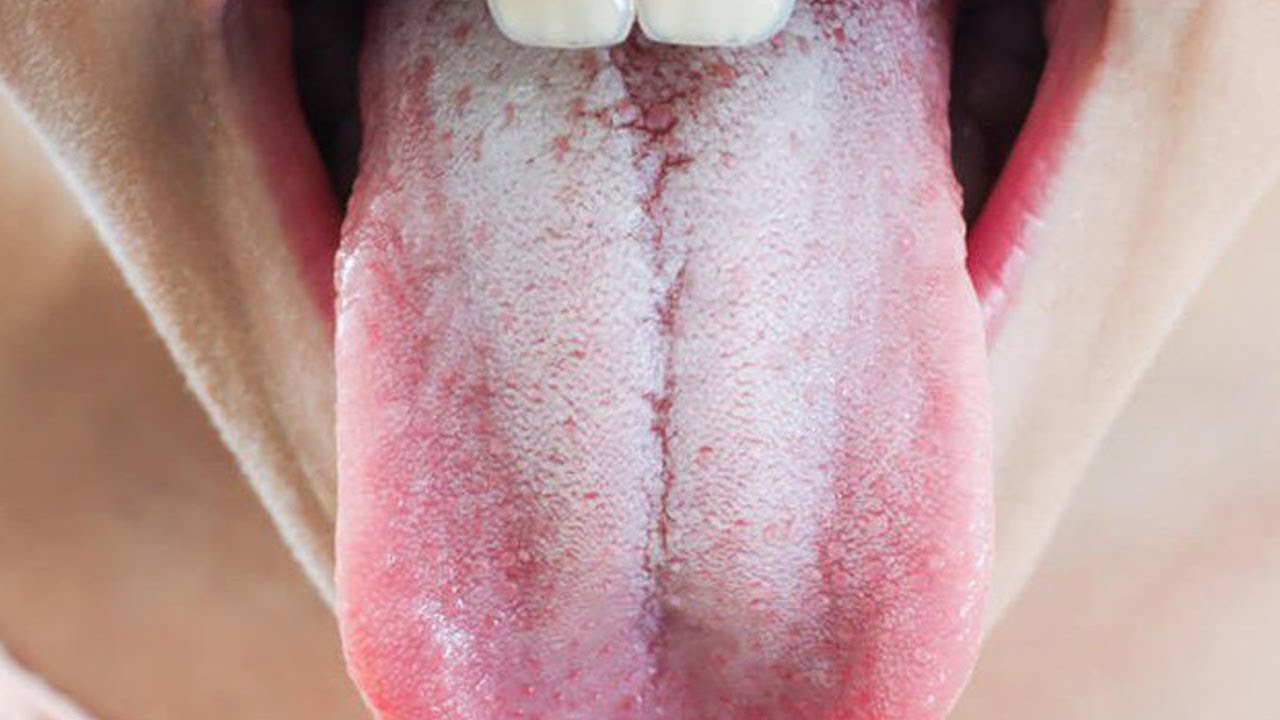
Final Thoughts
A white tongue is a common finding that may result from factors such as dehydration, dry mouth, poor oral hygiene, smoking, oral thrush, nutritional deficiencies, or other medical conditions. In many cases, it is temporary and harmless. However, persistent white patches, pain, difficulty swallowing, or other concerning symptoms should be evaluated by a healthcare professional.
The tongue may seem like a small part of the body, but it can offer valuable clues about overall health. Paying attention to changes in its appearance and maintaining good oral hygiene can help support both oral and general well-being.