A headache is one of the most common health complaints. Most headaches are caused by relatively benign problems such as stress, dehydration, lack of sleep, migraine, or muscle tension. But in rare cases, a sudden and extraordinarily severe headache can signal a life-threatening emergency: a ruptured brain aneurysm.
Brain aneurysms are particularly concerning because many cause no symptoms at all until they enlarge, leak, or rupture. Some people live with a small aneurysm for years without ever knowing it is there.
So what exactly is a brain aneurysm? Can you recognize one before it ruptures? And which symptoms mean you should seek emergency medical care immediately?
Understanding the difference between an unruptured aneurysm and a ruptured aneurysm can potentially save a life.
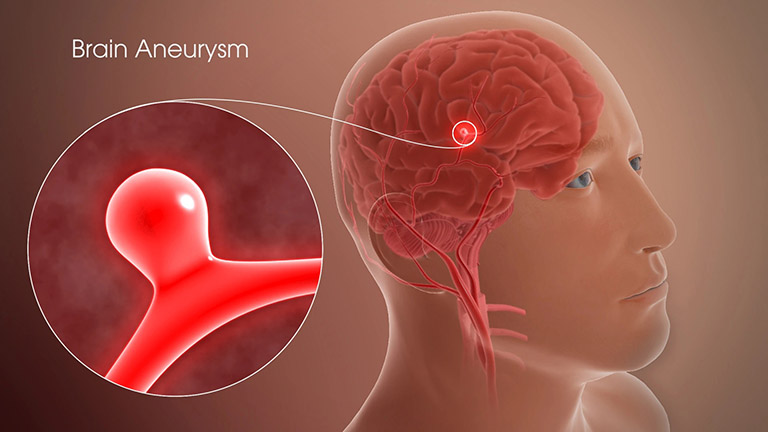
What Is a Brain Aneurysm?
A brain aneurysm—also called a cerebral or intracranial aneurysm—is a weakened area in the wall of an artery in or around the brain that bulges outward.
A useful analogy is a weak spot developing in a tire or balloon. As pressure acts on the weakened area, it can gradually bulge.
Brain aneurysms vary considerably in:
-
Size
-
Shape
-
Location
-
Risk of growth
-
Risk of rupture
Many are small and never cause problems.
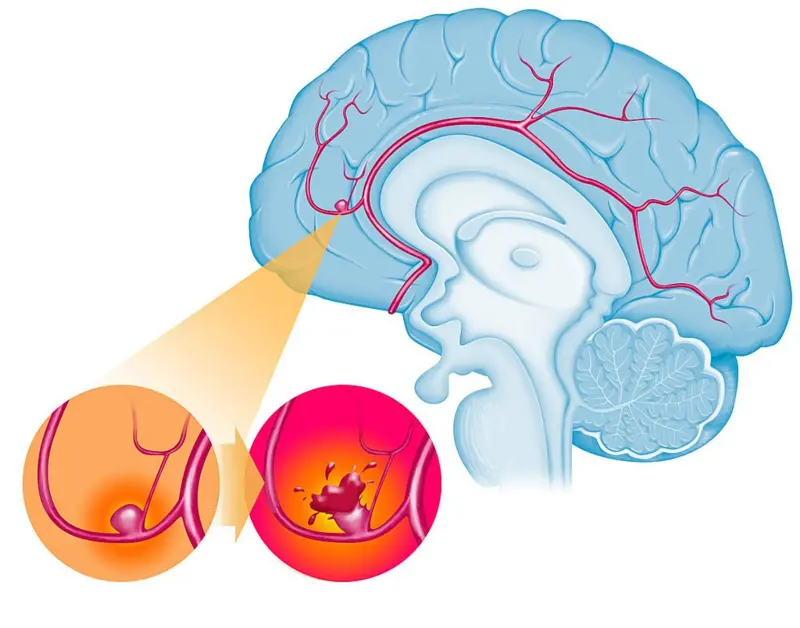
The major danger occurs if an aneurysm ruptures and releases blood around the brain.
This can cause a type of hemorrhagic stroke known as a subarachnoid hemorrhage (SAH).
That is a medical emergency.
Why Can Brain Aneurysms Be So Difficult to Detect?
The phrase “warning signs” can be misleading because many unruptured aneurysms provide no warning whatsoever.
A small aneurysm may exist without affecting surrounding nerves or brain structures.
It might only be discovered incidentally when someone undergoes brain imaging for an unrelated reason.
For example, a person may have an MRI because of headaches and unexpectedly learn that they have a small aneurysm.
That's why there isn't a universal symptom checklist capable of reliably identifying every brain aneurysm before rupture.
However, larger or expanding aneurysms can sometimes produce symptoms by pressing on nearby nerves and tissues.
Those symptoms are worth knowing.
1. A Sudden, Extremely Severe Headache
This is perhaps the most important symptom in this entire article.
A ruptured brain aneurysm classically may cause a thunderclap headache.
People often describe it as:
-
“The worst headache of my life.”
-
“It felt like something exploded inside my head.”
-
“The pain came out of nowhere.”
-
“I went from normal to unbearable pain almost instantly.”
Unlike many ordinary headaches that gradually build, a thunderclap headache reaches severe intensity very rapidly, often within seconds to a minute.
Treat This as an Emergency
A sudden, explosive headache—particularly one unlike anything you've experienced before—requires immediate medical evaluation.
Don't drive yourself to the hospital if you are severely unwell.
Contact emergency medical services.
Even if the headache begins improving, it still requires evaluation because a serious cause hasn't necessarily disappeared.
2. Nausea and Vomiting
A ruptured aneurysm can suddenly increase pressure and irritate tissues around the brain.
This may trigger:
-
Severe nausea
-
Vomiting
Nausea and vomiting are obviously common and usually have nothing to do with an aneurysm.
Food poisoning, stomach viruses, migraine, pregnancy, and many other conditions can cause them.
The concerning combination is:
Sudden severe headache + nausea/vomiting
particularly when the headache is completely different from the person's usual headaches.
3. Stiff or Painful Neck
Blood released into the space surrounding the brain can irritate the meninges—the membranes covering the brain and spinal cord.
This irritation can cause neck stiffness or pain.
A stiff neck also has many less dangerous explanations, including muscle strain.
But a combination such as:
Thunderclap headache + vomiting + stiff neck
should never simply be attributed to tension.
It requires urgent medical attention.
4. Loss of Consciousness
A severe subarachnoid hemorrhage may cause a person to:
-
Collapse
-
Faint
-
Become difficult to awaken
-
Lose consciousness completely
Some people may briefly lose consciousness and then wake again.
That doesn't mean the danger has passed.
Sudden collapse associated with severe headache or neurological symptoms is an emergency.
5. Seizures
A ruptured aneurysm can sometimes trigger a seizure.
A seizure may involve:
-
Sudden loss of awareness
-
Body stiffening
-
Rhythmic jerking
-
Abnormal movements
-
Confusion afterward
A first-time seizure requires medical evaluation regardless of whether an aneurysm is suspected.
When a seizure occurs alongside an abrupt severe headache, the need for emergency care becomes particularly urgent.
6. Sudden Confusion
Bleeding around the brain can affect consciousness and cognitive function.
Someone may suddenly:
-
Become confused
-
Have trouble understanding speech
-
Behave unusually
-
Become extremely drowsy
-
Have difficulty responding appropriately
These symptoms can also occur with other neurological emergencies, including stroke.
Either way, sudden neurological changes require urgent medical attention.
7. Weakness or Numbness
Depending on the location and severity of bleeding, a person may develop sudden neurological symptoms such as:
-
Facial weakness
-
Arm weakness
-
Leg weakness
-
Numbness
-
Difficulty walking
-
Loss of coordination
Weakness affecting one side of the body is a classic warning sign of stroke and should always be treated urgently.
Don't wait to see whether it disappears.
8. Difficulty Speaking
Sudden speech changes may occur during a neurological emergency.
Someone may:
-
Slur their words
-
Use incorrect words
-
Be unable to speak normally
-
Have difficulty understanding language
A ruptured aneurysm isn't the only possible cause.
An ischemic stroke can produce similar symptoms.
But the immediate response is the same:
Seek emergency medical care.
9. Vision Changes
A brain aneurysm may sometimes affect vision even before it ruptures, particularly if it presses on nerves involved in eye movement or visual processing.
Possible symptoms include:
-
Double vision
-
Blurred vision
-
Loss of vision
-
Changes in visual fields
A large aneurysm near certain cranial nerves may produce specific eye-related symptoms.
Sudden unexplained vision changes deserve medical attention, especially when accompanied by headache or neurological symptoms.
10. A Drooping Eyelid
An enlarging aneurysm can sometimes compress nerves controlling eye movements.
One possible result is ptosis, or a drooping eyelid.
This may occur together with:
-
Double vision
-
Eye movement abnormalities
-
A dilated pupil
-
Pain around or behind the eye
A newly developed drooping eyelid—particularly with a dilated pupil or severe headache—can represent a neurological emergency and should be assessed urgently.
11. A Dilated Pupil
The pupil is the dark circular opening in the center of the eye.
Certain aneurysms can affect the third cranial nerve, potentially causing one pupil to become larger than the other.
This may occur along with:
-
Drooping eyelid
-
Double vision
-
Difficulty moving the eye
-
Pain
Pupil asymmetry can have several causes, and some people naturally have slightly different pupil sizes.
But a newly enlarged pupil combined with headache or eye-movement abnormalities requires urgent evaluation.
12. Pain Above or Behind the Eye
An unruptured aneurysm can occasionally cause localized pain if it presses on nearby structures.
Some people may experience pain:
-
Behind one eye
-
Above the eye
-
Around the temple
This symptom is extremely nonspecific.
Migraine, sinus problems, cluster headaches, and eye disorders are much more common explanations.
However, persistent or unusual pain accompanied by neurological or visual changes should be medically assessed.
Unruptured vs. Ruptured Aneurysm: The Critical Difference
Understanding this distinction is essential.
Unruptured Brain Aneurysm
Many unruptured aneurysms produce no symptoms.
When symptoms do occur, they may include:
-
Pain around the eye
-
Double vision
-
Changes in vision
-
Drooping eyelid
-
Dilated pupil
-
Certain neurological symptoms
These usually result from the aneurysm pressing against nearby structures.
Ruptured Brain Aneurysm
A rupture typically produces a much more dramatic clinical picture.
Possible symptoms include:
-
Sudden thunderclap headache
-
Nausea and vomiting
-
Neck stiffness
-
Light sensitivity
-
Confusion
-
Seizures
-
Loss of consciousness
-
Neurological deficits
A suspected rupture is an immediate medical emergency.
What Is a “Sentinel Headache”?
Occasionally, an aneurysm may leak a small amount of blood before a major rupture.
This may cause a sudden severe headache sometimes described as a sentinel headache or warning leak.
A larger rupture may follow later.
The problem is that there's no reliable way at home to distinguish a dangerous warning headache from other headache disorders.
Therefore, a new thunderclap headache should be evaluated immediately, even if the pain begins to improve.
Don't wait for a second episode.
Is Every Sudden Headache an Aneurysm?
No.
Thunderclap headaches can have multiple causes, and not all involve aneurysms.
However, some causes are serious enough that emergency evaluation is still appropriate.
The key point isn't to diagnose yourself.
It's to recognize that a headache reaching extreme intensity suddenly is different from an ordinary gradual headache.
Medical professionals can then determine the cause using appropriate testing.

Migraine vs. Brain Aneurysm
This is a common concern because migraine can produce severe headache, nausea, vomiting, light sensitivity, and even neurological symptoms.
Migraine headaches often:
-
Develop more gradually
-
Resemble previous migraine episodes
-
May be associated with a known pattern of aura
-
Last for hours or sometimes longer
A ruptured aneurysm more classically causes an abrupt, maximal-intensity headache.
But symptoms can overlap.
If someone with a history of migraine experiences a headache that is suddenly explosive or completely unlike their usual migraine, they should not assume it's “just another migraine.”
Who Is More Likely to Develop a Brain Aneurysm?
Brain aneurysms can occur in people without obvious risk factors.
However, certain factors are associated with increased risk.
These include:
-
Smoking
-
High blood pressure
-
Increasing age
-
Family history
-
Certain inherited disorders
-
Heavy alcohol use
-
Some vascular abnormalities
Risk factors for developing an aneurysm and risk factors for rupture aren't necessarily identical.
Smoking Is a Major Modifiable Risk Factor
Smoking damages blood vessels throughout the body.
It is strongly associated with both the formation and rupture of intracranial aneurysms.
If you smoke, quitting is one of the most meaningful steps you can take for your vascular health.
The benefits extend far beyond aneurysm risk.
Stopping smoking also reduces the risk of:
-
Heart disease
-
Stroke
-
Lung disease
-
Multiple cancers
Even after years of smoking, quitting provides health benefits.
High Blood Pressure Matters
Chronic hypertension places additional mechanical stress on artery walls.
Controlling blood pressure is therefore an important component of reducing overall vascular risk.
Strategies may include:
-
Taking prescribed medication consistently
-
Reducing excessive sodium intake
-
Exercising regularly
-
Maintaining an appropriate weight
-
Limiting excessive alcohol
-
Eating a balanced diet
-
Avoiding smoking
Some people need multiple medications to adequately control hypertension.
Don't stop blood pressure medication because your readings improve; they may be improving precisely because the medication is working.
Family History Can Be Important
Most people with a brain aneurysm don't necessarily have a strong family history.
However, risk may be higher when multiple close relatives have had intracranial aneurysms or aneurysmal subarachnoid hemorrhage.
In certain families, doctors may consider screening.
Screening isn't recommended indiscriminately for everyone because imaging can identify small aneurysms that may never cause harm, potentially leading to unnecessary anxiety and procedures.
If two or more first-degree relatives have had brain aneurysms or related hemorrhage, discussing your individual risk with a physician may be appropriate.
Certain Genetic Conditions Can Increase Risk
Some inherited conditions are associated with an increased likelihood of intracranial aneurysms.
One commonly discussed example is autosomal dominant polycystic kidney disease (ADPKD).
Other connective tissue and vascular disorders may also affect risk.
Having one of these conditions doesn't mean an aneurysm is inevitable.
It means screening decisions may differ from those for the general population.
Does Stress Cause Brain Aneurysms?
Everyday emotional stress isn't considered a simple direct cause of brain aneurysm formation.
However, chronic stress can contribute indirectly to unhealthy behaviors and elevated blood pressure.
Extremely strenuous activity or sudden blood pressure elevations may theoretically contribute to rupture in someone who already has a vulnerable aneurysm, but the relationship is complex.
You shouldn't live in fear of normal daily activities simply because aneurysms exist.
Focus on established modifiable risk factors instead.
Can Exercise Cause an Aneurysm to Rupture?
Regular exercise generally supports cardiovascular health and helps control blood pressure.
People without known aneurysms shouldn't avoid exercise out of fear of causing one.
For someone with a diagnosed aneurysm, recommendations may depend on:
-
Aneurysm size
-
Location
-
Shape
-
Blood pressure
-
Other medical conditions
-
Planned treatment
A neurologist or neurosurgeon can provide individualized advice.
How Are Brain Aneurysms Diagnosed?
If doctors suspect a ruptured aneurysm, several tests may be used.
CT Scan
A non-contrast CT scan of the head is commonly used in emergency evaluation because it can detect bleeding around the brain.
CT Angiography
CT angiography uses contrast material to visualize blood vessels and can help identify an aneurysm.
MRI and MR Angiography
MRI-based techniques can also visualize brain structures and blood vessels and may be useful in particular circumstances.
Cerebral Angiography
Catheter-based cerebral angiography provides detailed images of brain blood vessels and may be used when more precise information is required.
Lumbar Puncture
In selected situations, if subarachnoid hemorrhage remains suspected despite initial imaging, clinicians may consider additional testing such as lumbar puncture depending on the timing and clinical circumstances.
What Happens If an Unruptured Aneurysm Is Found?
Finding an aneurysm doesn't automatically mean brain surgery is required.
This surprises many people.
Doctors weigh the risk of rupture against the risks of treatment.
Factors may include:
-
Size
-
Location
-
Shape
-
Growth over time
-
Patient age
-
Smoking status
-
Blood pressure
-
Family history
-
Previous aneurysm rupture
-
Overall health
A small, low-risk aneurysm may simply be monitored periodically with imaging.
A higher-risk aneurysm may be treated.
How Are Brain Aneurysms Treated?
Two major treatment approaches are commonly used, although modern neurovascular care includes additional techniques.
Surgical Clipping
During clipping, a neurosurgeon accesses the aneurysm and places a small metal clip across its neck.
The goal is to prevent blood from entering the aneurysm.
Endovascular Treatment
Instead of opening the skull directly, doctors can sometimes guide catheters through blood vessels to the aneurysm.
Treatment may involve:
-
Coils
-
Stents
-
Flow-diverting devices
-
Other endovascular techniques
The best option depends heavily on the anatomy of the aneurysm and the patient's condition.
Why Rupture Is So Dangerous
Aneurysmal subarachnoid hemorrhage can produce several serious complications.
These may include:
-
Increased pressure inside the skull
-
Rebleeding
-
Hydrocephalus
-
Seizures
-
Brain injury
Another important complication is cerebral vasospasm, in which brain arteries narrow after the hemorrhage.
This can reduce blood flow and contribute to delayed brain injury.
Patients with subarachnoid hemorrhage therefore require specialized hospital monitoring even after the initial aneurysm has been treated.
Can Someone Survive a Ruptured Brain Aneurysm?
Yes, many people survive.
But aneurysmal subarachnoid hemorrhage is a serious condition with substantial risk of death and long-term disability.
Outcome depends on factors such as:
-
Severity of the initial hemorrhage
-
Speed of medical treatment
-
Age
-
Overall health
-
Location of the aneurysm
-
Complications
-
Neurological condition at presentation
Rapid recognition and emergency treatment are crucial.
Can Brain Aneurysms Be Prevented?
Not every aneurysm can be prevented.
Genetics and other nonmodifiable factors play a role.
But you can reduce several important vascular risks.
1. Don't Smoke
If you smoke, quitting is one of the strongest modifiable steps available.
Avoiding tobacco also dramatically benefits your heart, lungs, and overall vascular system.
2. Control High Blood Pressure
Know your blood pressure.
If you have hypertension, work with your healthcare professional to control it.
Take prescribed medication consistently.
Lifestyle measures can complement medication but shouldn't automatically replace it.
3. Limit Excessive Alcohol
Heavy alcohol consumption is associated with numerous cardiovascular and neurological problems.
Moderation—or avoidance when medically appropriate—can reduce several health risks.
4. Maintain Overall Cardiovascular Health
Regular physical activity, adequate sleep, and a balanced diet support vascular health.
Emphasize foods such as:
-
Vegetables
-
Whole fruits
-
Whole grains
-
Legumes
-
Nuts and seeds
-
Fish
-
Other lean protein sources
Limit excessive sodium, highly processed foods, and trans fats.
No specific “superfood” can prevent an aneurysm, but an overall heart-healthy pattern supports blood vessel health.
5. Don't Use Recreational Stimulant Drugs
Certain stimulant drugs can produce dramatic increases in blood pressure and are associated with serious cardiovascular and neurological complications.
Avoiding them reduces preventable risk.
Should Everyone Get Screened for Brain Aneurysms?
Generally, no.
Routine screening of every healthy adult isn't typically recommended.
Screening may be considered for people with particular risk profiles, such as certain strong family histories or specific inherited conditions.
The decision should be individualized.
A scan isn't necessarily beneficial simply because you're anxious about aneurysms.
Can a Routine Blood Test Detect an Aneurysm?
No.
There isn't a standard blood test that tells you whether a brain aneurysm is present.
Aneurysms are identified primarily through imaging of the brain's blood vessels.
Routine cholesterol, glucose, or blood-count tests cannot rule out an aneurysm.
Can You Feel an Aneurysm Growing?
Usually not.
Many aneurysms remain completely silent.
If an aneurysm becomes large enough to compress surrounding structures, symptoms may occur.
But there is no reliable sensation that tells you:
“My aneurysm is growing.”
Imaging is necessary to assess aneurysm size and changes over time.
Don't Ignore New Eye Symptoms
One potentially important pattern deserves repeating:
New drooping eyelid + dilated pupil + double vision or severe headache
This can indicate compression of the third cranial nerve and requires urgent neurological assessment.
Don't wait several days for an eye appointment if these symptoms appear suddenly.
Know the Emergency Pattern
If you remember nothing else from this article, remember this combination:
SUDDEN + SEVERE + DIFFERENT
A headache that:
Starts suddenly
Becomes extremely severe almost immediately
Feels completely different from your usual headaches
requires urgent medical evaluation.
The presence of vomiting, neck stiffness, confusion, seizure, fainting, weakness, or visual abnormalities makes the situation even more concerning.
When to Call Emergency Services
Seek emergency medical help immediately if someone develops:
-
A sudden “worst headache of my life”
-
A thunderclap headache reaching peak intensity within seconds or minutes
-
Sudden severe headache with vomiting
-
Severe headache with neck stiffness
-
Severe headache followed by fainting
-
Sudden seizure
-
Sudden confusion
-
Sudden weakness or numbness
-
Sudden speech difficulty
-
Sudden severe vision changes
-
New drooping eyelid with pupil changes and headache
Don't drive yourself if you're severely affected.
Time matters.
What NOT to Do
If a possible rupture is suspected:
Don't wait until tomorrow.
Don't simply go to sleep hoping the headache disappears.
Don't assume it's a migraine because you've had migraines before if this headache feels dramatically different.
Don't rely on painkillers to determine whether it's serious.
Pain improving after medication doesn't prove that the underlying cause is harmless.
A Quick Comparison
Many Ordinary Headaches
Often:
-
Develop gradually
-
Have familiar triggers
-
Resemble previous headaches
-
Improve with rest or usual treatment
Possible Aneurysm Rupture
More concerning when:
-
Pain begins abruptly
-
Maximum severity occurs rapidly
-
Headache is unusually intense
-
Symptoms include vomiting, neck stiffness, fainting, seizure, or neurological changes
There are exceptions, which is why emergency assessment is necessary when symptoms are suspicious.
The Bottom Line
Brain aneurysms are frightening partly because many cause no symptoms before they rupture.
An unruptured aneurysm may remain silent for years or occasionally produce symptoms by pressing on nearby nerves, including:
-
Pain around the eye
-
Double vision
-
Drooping eyelid
-
Dilated pupil
-
Other neurological changes
A ruptured aneurysm is very different.
The classic warning sign is a sudden thunderclap headache, often described as the worst headache of a person's life.
It may occur with:
-
Vomiting
-
Neck stiffness
-
Light sensitivity
-
Confusion
-
Seizures
-
Loss of consciousness
-
Weakness
-
Speech difficulties
-
Vision changes
These symptoms require emergency medical evaluation.
Final Thoughts
Most headaches are not caused by brain aneurysms, so there's no reason to panic every time your head hurts.
At the same time, knowing what makes a headache unusual can be lifesaving.
Pay particular attention to a headache that is sudden, extraordinarily severe, and unlike anything you've experienced before.
Don't spend hours searching symptoms online.
Don't wait for it to “prove” that it's serious.
A ruptured aneurysm can cause bleeding around the brain, and rapid diagnosis matters.
For long-term risk reduction, focus on factors you can actually influence: don't smoke, manage high blood pressure, avoid recreational stimulant drugs, limit excessive alcohol, and maintain good cardiovascular health.
And if you have a strong family history of brain aneurysms or an inherited condition associated with them, discuss screening with a healthcare professional rather than arranging unnecessary scans on your own.
When it comes to a possible ruptured brain aneurysm, the key distinction is simple: an ordinary headache can usually wait; a sudden thunderclap headache cannot.