Have You Noticed Small White Spots on Your Arms or Legs… and Don’t Know What They Are? Here’s What a Specialist Says
If you’ve ever spotted tiny white marks on your arms or legs and brushed them off as nothing, you’re not alone. Many people notice these spots at some point—but few actually know what they mean. While they’re often harmless, in some cases they can signal underlying skin conditions worth paying attention to.
So what exactly are these white spots? According to dermatology specialists, there are a few common explanations:
1. Sun-Related White Spots (Idiopathic Guttate Hypomelanosis)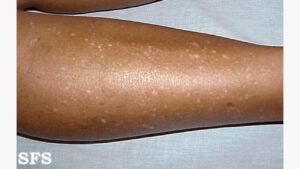
These are one of the most common causes, especially in adults. They appear as small, flat white spots on areas frequently exposed to the sun, like arms and legs. Over time, sun exposure can reduce pigment in certain patches of skin, leading to these pale spots. They’re harmless but tend to become more noticeable with age.
2. Fungal Infection (Tinea Versicolor)
Another possibility is a mild fungal infection known as Tinea versicolor. This condition can cause white, pink, or light brown patches that may be slightly scaly. It’s more common in warm, humid climates and can spread across the chest, back, arms, or legs. The good news: it’s treatable with antifungal creams or shampoos.
3. Loss of Pigment (Vitiligo)
In some cases, white spots may be linked to Vitiligo, a condition where the body loses pigment in certain areas. These patches are usually more defined and can gradually spread. While not harmful physically, vitiligo can affect appearance and may require medical guidance for management.
4. Dry Skin or Minor Skin Damage
Sometimes, the explanation is much simpler. Dry skin, minor irritation, or healed insect bites can leave behind lighter patches that temporarily differ from your natural skin tone.
When Should You Be Concerned?
Most white spots are harmless and don’t require treatment. However, you should consider seeing a dermatologist if:
- The spots are spreading quickly
- They become itchy, scaly, or inflamed
- You notice changes in size, shape, or color
- They start appearing on multiple areas of your body
What Can You Do?
- Use sunscreen regularly to protect your skin from further discoloration
- Keep your skin moisturized
- Avoid self-diagnosing if the spots persist—getting professional advice is always best
Final Thoughts
Those small white spots might seem insignificant, but they can have different causes—from harmless sun effects to treatable skin conditions. Paying attention to changes in your skin is a simple but powerful way to take care of your overall health.
If you’ve been noticing these spots and aren’t sure what they are, it might be time to take a closer look—and if needed, seek expert advice.