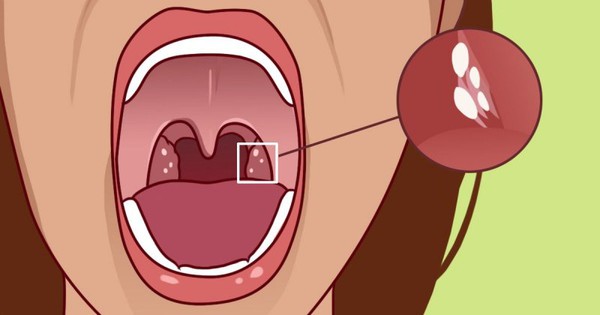
Many people become alarmed when they notice:
- Small white or yellowish bumps
- Tiny pebble-like formations
- Unpleasant-smelling particles
appearing in the back of the throat near the tonsils.
In many cases, these may be:
- Tonsil stones
also known medically as:
- Tonsilloliths
Tonsil stones are surprisingly common and are usually not dangerous, although they can sometimes cause:
- Bad breath
- Throat discomfort
- Irritation
- Difficulty swallowing
- Sensation of something stuck in the throat
Some people never realize they have tonsil stones, while others experience recurring episodes that become frustrating or uncomfortable.
Understanding what tonsil stones are, why they form, and when medical attention may be necessary can help reduce anxiety and improve throat care.
What Are Tonsil Stones?
Tonsil stones are small hardened accumulations that form inside tiny pockets in the:
- Tonsils
These pockets are called:
- Tonsil crypts
The material may harden over time and form:
- White
- Yellow
or - Cream-colored lumps

What Are Tonsils?
The tonsils are soft tissue structures located at the back of the throat.
They are part of the body’s:
- Immune system
and help trap:
- Germs
- Bacteria
- Viruses
entering through the mouth and nose.
Why Tonsils Have Small Pockets
Tonsils naturally contain:
- Crevices
- Grooves
- Crypts
These structures increase surface area for immune activity.
However, debris can sometimes collect inside them.
What Tonsil Stones Are Made Of
Tonsil stones may contain:
- Food particles
- Dead cells
- Mucus
- Bacteria
- Minerals
Over time, this material may:
- Harden
- Calcify
forming small stones.
Why Tonsil Stones Sometimes Smell Bad
One of the most common complaints involving tonsil stones is:
- Bad breath
This occurs because bacteria inside the stones may produce:
- Sulfur compounds
which create unpleasant odors.
Common Symptoms of Tonsil Stones
Some people experience no symptoms at all.
Others may notice:
- Bad breath
- Throat irritation
- Ear discomfort
- Difficulty swallowing
- Metallic taste
- Feeling of something stuck in the throat
- White spots in the throat

Why Ear Pain May Occur
The throat and ears share certain nerve pathways.
As a result, tonsil irritation may sometimes create:
- Referred ear discomfort
even when the ears themselves are healthy.
Who Gets Tonsil Stones?
Tonsil stones can occur in:
- Teenagers
- Adults
- Children
but they are often more noticeable in people who:
- Have larger tonsil crypts
- Experience chronic tonsil inflammation
- Have frequent throat infections
Chronic Tonsillitis and Tonsil Stones
Repeated tonsil inflammation may increase:
- Crypt depth
- Debris accumulation
- Stone formation
Some people experience recurring tonsil stones for years.
Are Tonsil Stones Dangerous?
In most cases:
- No
Tonsil stones are usually harmless.
However, large or persistent stones may become:
- Uncomfortable
- Irritating
- Embarrassing due to odor
Rarely, severe symptoms may require medical attention.
How Big Can Tonsil Stones Become?
Many tonsil stones are:
- Tiny
- Barely noticeable
Others may grow larger and become more visible or uncomfortable.
Why Some People Never Notice Them
Small stones may:
- Fall out naturally
- Cause no symptoms
Some people discover them accidentally while:
- Brushing teeth
- Looking in the mirror
- Coughing

Can Tonsil Stones Cause Bad Breath?
Yes.
Persistent bad breath is one of the most common signs associated with:
- Tonsil stones
This may continue even with:
- Brushing
- Mouthwash
- Good oral hygiene
if the stones remain trapped inside the tonsils.
Why Bacteria Thrive in Tonsil Crypts
Tonsil crypts may create environments where:
- Bacteria
- Debris
- Organic material
become trapped more easily.
How Tonsil Stones Are Diagnosed
Doctors often diagnose tonsil stones through:
- Physical examination
Sometimes imaging tests are used if stones are:
- Large
- Hidden
- Difficult to identify
Home Care and Prevention
Some people reduce recurrence through:
- Good oral hygiene
- Gargling salt water
- Staying hydrated
- Tongue cleaning
- Regular dental care
Gargling May Help
Warm saltwater gargles may help:
- Reduce irritation
- Loosen debris
- Improve throat comfort
for some individuals.
Oral Hygiene Matters
Keeping the mouth clean may help reduce:
- Bacterial buildup
- Food debris
- Odor-producing particles
Helpful habits include:
- Brushing teeth
- Flossing
- Cleaning the tongue
Avoid Aggressive Removal Attempts
Some people try removing tonsil stones manually.
However, using:
- Sharp objects
- Excess force
may injure the delicate throat tissues and increase infection risk.
When to See a Doctor
Medical evaluation may be important if symptoms involve:
- Severe pain
- Difficulty swallowing
- Fever
- Swelling
- Bleeding
- Persistent large stones
Can Tonsil Stones Come Back?
Yes.
Some people experience:
- Recurrent tonsil stones
especially if they naturally have:
- Deep tonsil crypts
Tonsil Removal Surgery
In severe recurring cases, doctors may discuss:
- Tonsillectomy
which involves removing the tonsils.
However, surgery is usually considered only when symptoms become:
- Frequent
- Severe
- Disruptive
Hydration May Help
Dry mouth may contribute to:
- Bacterial growth
- Debris accumulation
Staying hydrated supports:
- Saliva production
- Oral balance
Smoking and Throat Health
Smoking may worsen:
- Oral bacteria balance
- Dryness
- Inflammation
which may contribute to unpleasant throat symptoms.
Why Tonsil Stones Can Feel Strange
People often describe tonsil stones as:
- “Tiny pebbles”
- “Hard white bumps”
- “Something stuck in the throat”
The sensation can be uncomfortable even when stones are small.

Stress and Dry Mouth
Stress and poor sleep may contribute indirectly to:
- Dry mouth
- Mouth breathing
- Oral imbalance
which may affect throat comfort.
Not Every White Spot Is a Tonsil Stone
White spots in the throat may also occur with:
- Infections
- Inflammation
- Other medical conditions
Proper evaluation is important if symptoms are unusual or persistent.
Tonsil Stones Are Common but Often Misunderstood
Many people panic when they first notice tonsil stones because they:
- Look unusual
- Smell unpleasant
- Feel strange
Fortunately, they are often manageable with proper oral care and monitoring.
Final Thoughts
Tonsil stones are small hardened accumulations that form inside the tonsils when debris, bacteria, mucus, and dead cells become trapped in tonsil crypts. Although they are usually harmless, they may cause symptoms such as bad breath, throat irritation, swallowing discomfort, or the sensation of something stuck in the throat.
Good oral hygiene, hydration, gargling, and throat care may help reduce recurrence for some individuals. However, persistent pain, swelling, fever, or large recurring tonsil stones should be evaluated by a healthcare professional to rule out other conditions and determine whether further treatment is needed.