A healthy diet rich in antioxidants may help slow the development of cancer cells.
What cancer cells “fear” most in your diet
Cancer is considered one of the leading causes of death worldwide. Medical experts believe that nutrition plays an important role in preventing cancer and slowing the growth of cancer cells.
Many studies suggest that a healthy, nutrient-rich diet containing anti-cancer foods cannot replace cancer treatment, but it may help reduce risk and improve treatment outcomes.
Among the foods highly praised by American experts as “kings” for supporting cancer prevention are four green vegetables that are currently in season and widely available at low prices in Vietnamese markets.
4 Green Vegetables That May Help Prevent Cancer Cell Growth
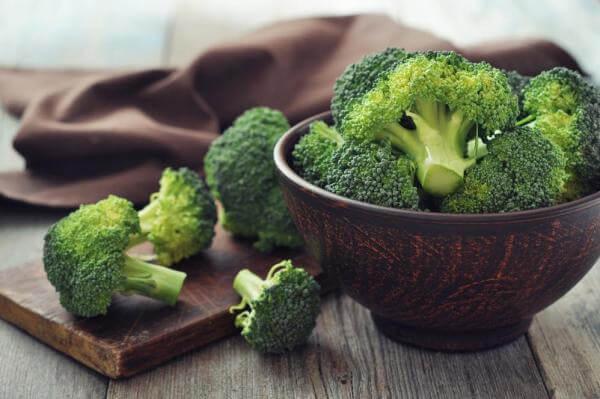
Broccoli
Researchers at William Paterson University in New Jersey recently examined and compared 41 types of fruits and vegetables. To their surprise, broccoli ranked as the most nutrient-dense food.
Broccoli is a cruciferous vegetable rich in vitamins, minerals, and antioxidants, which may help prevent various diseases.
It is especially known for its high sulforaphane content. Many studies suggest this compound may be linked to a reduced risk of certain cancers such as prostate, breast, colon, and oral cancers.
Broccoli also provides carotenoids, vitamin C — a powerful antioxidant — and glucosinolates, compounds believed to help strengthen the body’s defenses against cancer-causing agents.
Isothiocyanates, which are abundant in cruciferous vegetables, have also been associated in some observational studies with a lower risk of cancer recurrence after treatment.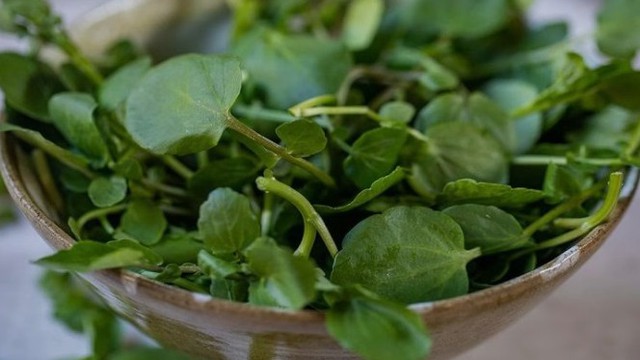
Watercress
Researchers have identified watercress as one of the world’s top cancer-preventing superfoods.
In nutritional evaluations, watercress received a perfect score of 100, outperforming Chinese cabbage (91.99), Swiss chard (89.27), beet greens (87.08), and spinach (86.43).
Watercress is rich in sulforaphane, which may activate detoxifying enzymes in the human body and inhibit abnormal HDAC enzyme activity associated with cancer patients.
A British study found that when smokers ate 85 grams of watercress daily for up to eight weeks, damage to white blood cells caused by free radicals decreased by about 23%, while antioxidant levels in the blood increased, potentially lowering the risk of cancer.
The antioxidants in watercress may help prevent DNA damage caused by free radicals and may reduce cancer risk. In addition, watercress is believed to support detoxification and blood purification.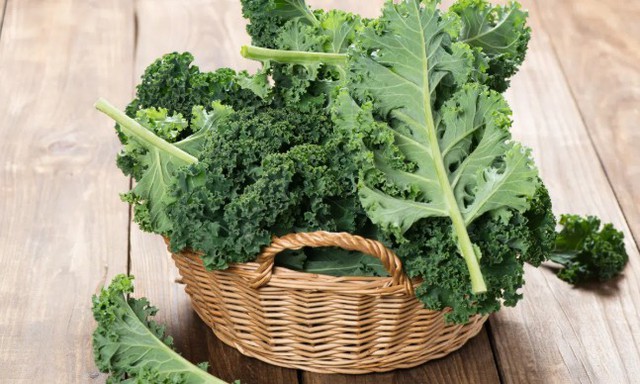
Kale
Kale is another cruciferous vegetable notable for its high vitamin and mineral content.
It contains compounds studied for their potential anti-cancer effects. During digestion, these compounds may convert into substances such as sulforaphane and indole-3-carbinol, which have been linked in preclinical studies to inhibiting cancer cell growth.
Kale is also rich in phenolic compounds, a group of substances tested in laboratories for antioxidant properties. Its quercetin content helps neutralize free radicals, which can damage cells and DNA. Quercetin is also known for its anti-inflammatory properties, which may help reduce cancer risk.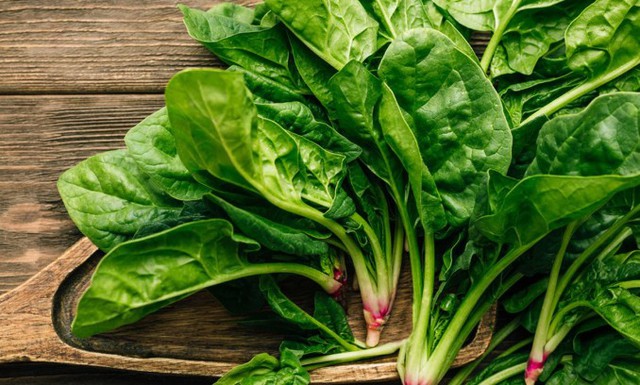
Spinach
A study published in the journal Gut Microbes by Texas A&M University found that adding spinach to the diet was associated with reduced tumor activity in the large and small intestines in research models.
The analysis suggested that spinach may increase the diversity of beneficial gut bacteria and influence certain genes related to the body’s anti-cancer defense mechanisms.
Spinach is also an excellent source of vitamins K, A, and C, folic acid, iron, and potassium. The combination of these nutrients with anti-inflammatory compounds is believed to support gut health and contribute to lowering cancer risk.
In addition, lutein and zeaxanthin in spinach may help the body eliminate free radicals, which has been linked to the prevention of cancers of the mouth, esophagus, and stomach.
How Much Vegetables Should You Eat Daily?
- According to the World Health Organization (WHO), adults should consume at least 300 grams of vegetables and 100–200 grams of fruit daily to help prevent chronic nutrition-related diseases.
- Children should gradually be encouraged to eat vegetables prepared in different suitable ways. The amount needed varies depending on age.
- An appropriate serving of fruit for children includes one medium-sized fruit, two small pieces of fruit, or one bowl of chopped fruit. A proper vegetable serving is about the size of a medium potato or 60 grams of cooked vegetables.
- People can eat even more vegetables and fruits if desired, since they are rich in vitamins and fiber, easy to digest, and may reduce the risk of constipation.
- Individuals who are overweight, obese, or have blood sugar disorders or diabetes should limit very sweet, high-calorie fruits such as bananas, mangoes, jackfruit, and lychees.
- If you have questions about choosing foods or daily vegetable intake, consult a doctor or nutritionist for a balanced and scientifically appropriate diet.
Cooking Methods That May Help Reduce Cancer Risk
- Wash vegetables thoroughly: To remove dust, industrial chemicals, and disinfectants that may be harmful, vegetables should be cleaned carefully before eating. Ideally, choose organically grown produce when possible.
- Cook properly: Proper cooking methods help preserve nutrients. Steaming, boiling, or lightly cooking vegetables is preferable to deep-frying, stir-frying, or overcooking, which may destroy nutrients.
-
Avoid excessive oil and fat: Cooking at high temperatures with too much oil or fat not only increases calories but may also produce heterocyclic amines, compounds that could promote cancer progression.
If oil is needed, plant oils or fatty fish oils are preferable, while industrial oils such as palm oil, coconut oil, and processed triglyceride fats should be limited.
- Use antioxidant-rich ingredients as seasonings: Ingredients such as turmeric, garlic, onions, and ginger contain antioxidants and may enhance both flavor and the body’s anti-cancer defenses.
- Limit salt and sugar: Although salt and sugar improve flavor, daily intake should not exceed 5 grams of salt and 25 grams of sugar to reduce the risk of complications such as diabetes, high blood pressure, overweight, and obesity, which may contribute to cancer recurrence.