Why Your Hands Go Numb — And What Really Helps
Have you ever woken up in the middle of the night with a tingling or numb hand? Or noticed your fingers “falling asleep” after holding your phone for too long? While it may seem harmless at first, frequent hand numbness can sometimes be your body’s way of signaling that something needs attention.
In many cases, the sensation happens when pressure is placed on a nerve or when blood flow is temporarily reduced. The good news is that simple lifestyle changes can often help relieve the problem.
Common Reasons Your Hands Fall Asleep

1. Sleeping in the Wrong Position
One of the most common causes is sleeping with your wrist bent or your arm trapped under your body. This can compress nerves and reduce circulation while you sleep.
Try keeping your wrists straight and avoid sleeping directly on your arms.
2. Repetitive Hand Movements
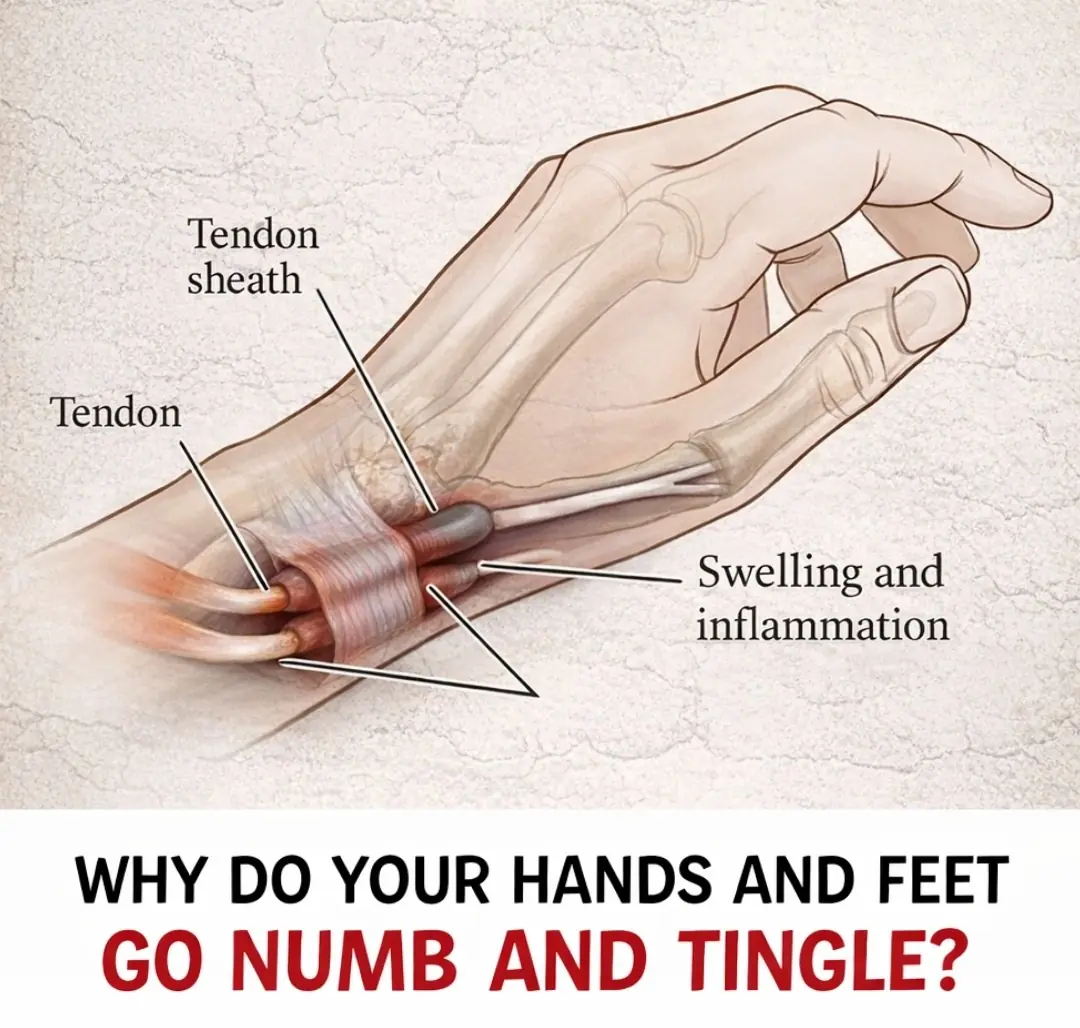
Typing, texting, gaming, or repetitive work with your hands can irritate nerves over time — especially the median nerve in the wrist.
Taking regular breaks and stretching your hands throughout the day may help reduce pressure.
3. Carpal Tunnel Syndrome
This condition occurs when a nerve in the wrist becomes compressed. Symptoms often include tingling, numbness, weakness, or pain in the thumb and fingers, especially at night.
Wrist braces and ergonomic adjustments can sometimes provide relief.
4. Poor Posture or Neck Problems
Pinched nerves in the neck or shoulders may also cause numbness that travels down into the hands.
Improving posture and doing gentle neck stretches may help reduce symptoms.
5. Vitamin Deficiencies or Health Conditions
Low levels of certain vitamins, especially vitamin B12, may affect nerve health. Conditions such as diabetes or poor circulation can also contribute to numbness.
If symptoms happen often, it may be important to speak with a healthcare professional.
What Actually Helps?
Here are a few simple habits that may improve hand numbness:
✅ Stretch your fingers and wrists regularly
✅ Avoid keeping the same position for too long
✅ Improve your posture while sitting or working
✅ Use wrist support if needed
✅ Stay active to support healthy circulation
✅ Limit repetitive strain on your hands
When to Pay Attention

Occasional numbness is usually not serious. But if your hands frequently go numb, become weak, painful, or the symptoms keep getting worse, it’s important not to ignore it.
Your body often sends small warning signs before bigger problems appear — and your hands may be one of them.