Discovering a lump on the neck, back, or behind the ear can be alarming. Many people immediately worry about serious illnesses when they notice an unusual bump under the skin. Fortunately, most lumps are not cancerous and are often caused by relatively common and treatable conditions.
However, not every lump should be ignored. Some may indicate infections, inflammatory conditions, benign growths, or, in less common cases, more serious medical issues that require professional evaluation.
Understanding the possible causes and knowing which warning signs deserve medical attention can help reduce anxiety and ensure timely care when necessary.

Why Do Lumps Form?
A lump can develop when tissue grows, swells, becomes inflamed, or accumulates fluid.
Lumps may involve:
-
Lymph nodes
-
Skin tissue
-
Fat tissue
-
Salivary glands
-
Muscles
-
Cysts
-
Blood vessels
The characteristics of a lump often provide clues about its cause.
Doctors usually consider:
-
Location
-
Size
-
Texture
-
Pain level
-
Growth rate
-
Associated symptoms
when evaluating a lump.
Common Locations Where Lumps Appear
Neck
The neck contains:
-
Lymph nodes
-
Salivary glands
-
Muscles
-
Thyroid tissue
As a result, neck lumps are relatively common.
Behind the Ear
Lumps behind the ear frequently involve:
-
Lymph nodes
-
Skin cysts
-
Local infections
Upper Back
Lumps on the back are often related to:
-
Lipomas
-
Cysts
-
Skin growths
although other causes are possible.
Common Cause #1: Swollen Lymph Nodes
One of the most frequent explanations for lumps in the neck or behind the ear is enlarged lymph nodes.
What Are Lymph Nodes?
Lymph nodes are small structures that help the immune system fight infection.
They act as filters for harmful substances.
Why They Swell
Lymph nodes may enlarge during:
-
Colds
-
Flu
-
Ear infections
-
Throat infections
-
Dental infections
What They Feel Like
Swollen lymph nodes are often:
-
Soft or rubbery
-
Tender
-
Movable under the skin
In many cases, they shrink once the infection resolves.
Common Cause #2: Sebaceous or Epidermoid Cysts
Cysts are closed sacs that contain material such as:
-
Keratin
-
Skin cells
-
Fluid
Typical Characteristics
Cysts often appear as:
-
Round bumps
-
Slow-growing lumps
-
Smooth masses beneath the skin
Common Locations
-
Neck
-
Behind the ears
-
Back
-
Scalp
Many cysts are harmless, although some may become inflamed or infected.
Common Cause #3: Lipomas
Lipomas are among the most common benign soft-tissue growths.
What Are They?
Lipomas are collections of fatty tissue that grow beneath the skin.
Characteristics
They are usually:
-
Soft
-
Painless
-
Slow-growing
-
Easily movable
Common Locations
-
Upper back
-
Shoulders
-
Neck
Lipomas are generally not dangerous.
Common Cause #4: Skin Infections
Certain infections can cause localized swelling.
Examples
-
Infected hair follicles
-
Abscesses
-
Infected cysts
Possible Symptoms
-
Redness
-
Warmth
-
Pain
-
Swelling
-
Drainage
Medical treatment may be required if infection develops.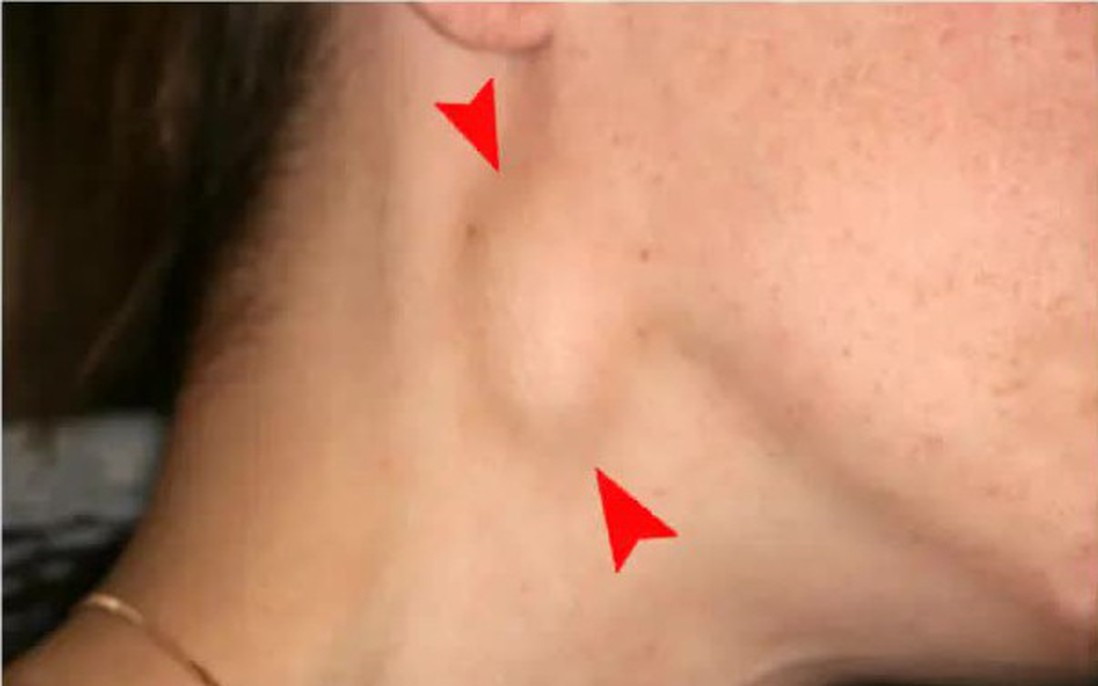
Common Cause #5: Salivary Gland Problems
Several salivary glands are located around the jaw and ear regions.
Potential Issues
-
Blocked ducts
-
Infections
-
Inflammation
Symptoms May Include
-
Swelling near the jaw
-
Pain while eating
-
Dry mouth
Professional evaluation is recommended.
Common Cause #6: Thyroid Enlargement
The thyroid gland sits in the front of the neck.
Possible Causes of Thyroid Lumps
-
Thyroid nodules
-
Thyroid enlargement
-
Inflammation
Additional Symptoms
May include:
-
Difficulty swallowing
-
Hoarseness
-
Changes in energy levels
Many thyroid nodules are benign, but evaluation is important.
Common Cause #7: Benign Skin Growths
Several harmless skin growths can appear as lumps.
Examples include:
-
Fibromas
-
Dermatofibromas
-
Skin tags
-
Benign tumors
These often grow slowly and remain stable for years.
Less Common but Important Causes
Although uncommon, some lumps require closer investigation.
Certain Autoimmune Conditions
Inflammatory diseases may cause enlarged lymph nodes.
Chronic Infections
Some infections may cause persistent swelling.
Tumors
Both benign and malignant growths can occasionally present as lumps.
This is why persistent or unusual lumps should not be ignored.
Warning Signs That Deserve Medical Attention
Many lumps are harmless, but certain features increase concern.
Rapid Growth
A lump that enlarges quickly should be evaluated.
Persistent Enlargement
Especially if it remains present for several weeks.
Hard Texture
Very firm or fixed lumps may warrant further investigation.
Unexplained Weight Loss
Should always be discussed with a healthcare provider.
Persistent Fever
May suggest infection or other medical conditions.
Night Sweats
A symptom that deserves attention when combined with enlarged lymph nodes.
Difficulty Swallowing
Can indicate involvement of structures in the neck.
Voice Changes
Persistent hoarseness should be evaluated.
What Doctors Look For During Evaluation
Healthcare professionals assess multiple factors.
Medical History
Questions may include:
-
How long has the lump been present?
-
Has it changed in size?
-
Is it painful?
-
Have there been recent infections?
Physical Examination
Doctors examine:
-
Size
-
Shape
-
Mobility
-
Texture
Additional Testing
If needed, tests may include:
-
Blood work
-
Ultrasound
-
CT scans
-
MRI
-
Biopsy
Most evaluations are straightforward and help identify the cause.
Why Self-Diagnosis Can Be Difficult
Many conditions produce similar-looking lumps.
For example:
-
A swollen lymph node
-
A cyst
-
A lipoma
may initially appear quite similar.
Professional assessment helps ensure an accurate diagnosis.
Common Myths About Lumps
Myth 1: Every Lump Is Cancer
Most lumps are not cancerous.
Myth 2: Painless Lumps Are Always Harmless
Some serious conditions can initially be painless.
Myth 3: Pain Always Means Something Serious
Pain often occurs with infections and inflammation, which are frequently treatable.
Myth 4: Small Lumps Never Need Evaluation
Size alone does not determine importance.
Persistence and other symptoms matter.
Monitoring a Lump at Home
While waiting for medical advice, it may help to observe:
Size
Note any changes.
Pain
Monitor increasing discomfort.
Skin Changes
Watch for:
-
Redness
-
Warmth
-
Drainage
Additional Symptoms
Such as fever or weight loss.
Keeping notes may assist healthcare providers.
Protecting Your Overall Health
Although many lumps cannot be prevented, maintaining general health may support immune function.
Helpful habits include:
-
Balanced nutrition
-
Regular exercise
-
Adequate sleep
-
Good hygiene
-
Routine medical care
When to Seek Immediate Medical Care
Prompt evaluation is important if a lump is associated with:
-
Difficulty breathing
-
Difficulty swallowing
-
Rapid enlargement
-
Severe pain
-
High fever
These symptoms require timely attention.
Final Thoughts
Finding a lump on the neck, back, or behind the ear can be unsettling, but most lumps are caused by relatively common conditions such as swollen lymph nodes, cysts, lipomas, or localized infections. Many are harmless and may resolve on their own or with simple treatment.
However, certain warning signs—including rapid growth, persistent enlargement, hard texture, unexplained weight loss, fever, or difficulty swallowing—should not be ignored. Because different conditions can appear similar, professional medical evaluation is often the best way to determine the cause.
Paying attention to changes and seeking medical advice when appropriate can provide peace of mind and help ensure that any underlying health issues are identified and treated promptly.