Fingernails are easy to overlook. Most of us trim them, wash our hands, and move on without giving them much thought.
But when fingernails look unusually dirty, discolored, damaged, or neglected, they can sometimes tell a story.
That story isn't always about poor hygiene.
Dirt underneath the nails may simply come from gardening, construction, mechanical work, cooking, sports, or other everyday activities. In other situations, changes in the nails can be associated with skin conditions, infections, nutritional problems, or certain medical issues.
The important thing is knowing the difference.
A dirty-looking nail isn't a diagnosis—and it certainly doesn't tell you everything about someone's character.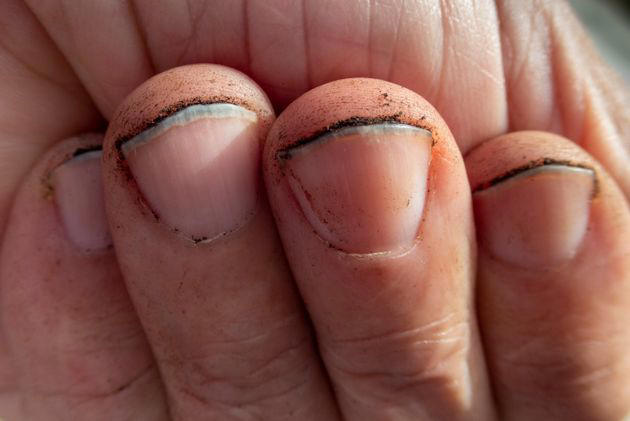
Dirty Fingernails Don't Automatically Mean Poor Hygiene
This is probably the biggest misconception.
Someone can wash their hands frequently and still have dark material underneath their fingernails after spending an afternoon working with soil, repairing a car, painting, or handling certain materials.
The space underneath a nail naturally collects particles because of its shape. Longer nails tend to provide even more room for dirt and debris to accumulate.
For people who work with their hands, keeping the area underneath the nails completely spotless throughout the day can be practically impossible.
So before judging someone based on their fingernails, consider the context.
A gardener with soil under their nails may simply be doing what they love.
A mechanic may have grease that is difficult to remove completely.
A construction worker may have dust or material trapped around the nail.
In these cases, dirty nails may say more about what someone has been doing than about how clean they are.
But Persistent Discoloration Is Different
Sometimes what looks like dirt isn't dirt at all.
Nails can become yellow, brown, greenish, white, or otherwise discolored for many reasons.
Repeated exposure to certain substances can stain the nail. Tobacco can contribute to yellow discoloration, while nail polish can sometimes leave behind staining.
But persistent discoloration can also occur with fungal nail infections and other nail disorders.
That's why scrubbing harder isn't always the answer.
If a nail remains discolored even after careful cleaning, it may be worth looking more closely at the nail itself.
Thick, Brittle Nails May Have Another Explanation
A nail that is unusually thick, crumbly, brittle, or difficult to trim may sometimes be affected by a fungal infection.
Fungal nail infections can cause the nail to become:
-
Thickened
-
Yellowish or whitish
-
Brittle or crumbly
-
Distorted in shape
-
Separated partially from the nail bed
-
Associated with debris beneath the nail
These changes can develop gradually, meaning someone may not notice them until the condition has been present for quite some time.
However, fungus isn't the only possibility.
Trauma, psoriasis, aging, repeated pressure, and other nail conditions can produce similar changes.
If a nail is persistently changing in appearance or texture, a healthcare professional can help determine the cause rather than relying on appearance alone.
Dark Material Under the Nail Isn't Always Dirt
This is another reason not to make assumptions.
A dark area underneath or within a nail can result from ordinary debris, staining, or an injury.
A bruise beneath the nail can appear dark purple, brown, or nearly black after trauma.
For example, hitting your finger with a tool or repeatedly putting pressure on a toenail can cause bleeding beneath the nail.
Usually, the discoloration gradually moves toward the tip as the nail grows.
But a new, unexplained, persistent dark streak or patch in a nail deserves medical evaluation, especially if it changes over time or affects the surrounding skin.
Rarely, certain forms of skin cancer, including melanoma, can involve the nail.
That doesn't mean every dark nail is cancer. Most aren't.
It simply means that unexplained nail changes shouldn't automatically be dismissed as dirt.
Your Nails Can Reflect Your Everyday Habits
Nails can also provide clues about a person's lifestyle.
Someone who bites their nails may have short, uneven nail edges.
A person who frequently uses their hands for physical work may develop rough or damaged nails.
People who regularly use nail polish, artificial nails, adhesives, or harsh cleaning products may experience changes in nail texture or strength.
Frequent exposure to water and detergents can also contribute to dry or brittle nails.
In other words, nails are exposed to an enormous amount of wear and tear.
They're constantly interacting with the environment.
That makes them useful clues—but not perfect records of someone's health.

What About Nail Biting?
Nail biting is extremely common.
For some people, it's simply a habit. For others, it may occur more frequently during periods of stress, boredom, concentration, or nervousness.
Repeated nail biting can damage the nail and surrounding skin.
It can also create tiny breaks in the skin around the fingers, potentially increasing the chance of irritation or infection.
But it would be inappropriate to look at someone's bitten nails and assume that person is anxious or stressed.
A habit can have many causes, and a person's nails don't provide enough information to determine what's happening psychologically.
The Skin Around the Nails Matters Too
Sometimes the most useful clue isn't the nail itself.
Look at the surrounding skin.
Redness, swelling, tenderness, warmth, or drainage around a nail can indicate inflammation or infection.
A condition called paronychia, for example, involves inflammation or infection of the tissue around the nail.
It can develop after minor trauma, nail biting, picking at the cuticle, manicures, or repeated exposure to water and irritants.
A mild case may improve with appropriate care, but increasing pain, swelling, pus, spreading redness, or fever warrants medical attention.
What Do White Spots Mean?
White spots on fingernails are often blamed on calcium deficiency.
That's usually an oversimplification.
Small white spots commonly occur because of minor trauma to the nail as it grows. You may not even remember injuring the nail.
They generally grow out with the nail over time.
Persistent or widespread changes, however, can have other causes.
Again, the lesson is that one nail feature rarely tells the whole story.
Can Nails Reveal Nutritional Problems?
Certain nutritional deficiencies can affect the nails.
For example, severe iron deficiency may sometimes be associated with changes in nail shape or appearance.
Other nutritional problems can also influence hair, skin, and nails.
But nails are not reliable standalone nutritional tests.
If someone has brittle nails, that doesn't automatically mean they're deficient in a particular vitamin or mineral.
Taking high-dose supplements without knowing whether a deficiency exists can also be unnecessary or harmful.
If nail changes occur alongside fatigue, weakness, changes in appetite, unexplained weight changes, or other symptoms, it may be more useful to discuss the overall picture with a healthcare professional.
Your Nails Can Change With Age
Nails naturally change over time.
As people get older, nails may grow more slowly and can become more brittle, ridged, or dry.
Toenails can become thicker and more difficult to trim.
These changes don't necessarily indicate disease.
This is another reason why judging someone's health or personal habits solely from their nails can be misleading.
What looks abnormal on one person may simply reflect age, occupation, genetics, or previous nail trauma.
When Dirty Nails Actually Deserve Attention
The appearance of the nails becomes more concerning when the changes are persistent, progressive, painful, or unexplained.
Consider seeking medical advice if you notice:
-
A nail becoming increasingly thick or distorted
-
Persistent yellow, green, brown, or black discoloration
-
A dark streak that is new or changing
-
Nails repeatedly separating from the nail bed
-
Significant pain or swelling
-
Pus or drainage around the nail
-
Redness spreading from the finger
-
Repeated nail infections
-
Major changes affecting several nails without an obvious explanation
You don't need to panic when you notice a change.
The goal is simply to understand what is happening.
Keeping Your Fingernails Clean
For ordinary dirt and debris, good hand and nail hygiene is usually straightforward.
Wash your hands regularly with soap and water.
When washing, gently clean underneath the nails rather than aggressively digging underneath them with sharp objects.
Keep nails trimmed to a comfortable length.
If you work with soil, grease, chemicals, or other materials, appropriate gloves can help reduce the amount of debris that reaches the hands and nails.
Avoid sharing nail clippers or other personal manicure tools.
And don't repeatedly cut or damage the cuticles, because the surrounding skin helps protect against infection.
Be Careful With Aggressive Cleaning
It can be tempting to use a sharp object to scrape underneath a nail until every trace of dirt is gone.
That's not a good idea.
The tissue underneath the nail is delicate, and aggressive scraping can cause small injuries.
Those injuries may create an opportunity for bacteria or fungi to enter.
A soft nail brush and ordinary soap are generally a safer approach for removing surface debris.
If the material doesn't come off with normal cleaning, that's a clue that it may not actually be dirt.
What Your Fingernails Really Reveal
Perhaps the most interesting thing about fingernails is that they reveal far less about personality than people often assume—and potentially more about habits and health than we realize.
They can show signs of physical work.
They can reflect repeated exposure to water, chemicals, soil, or other materials.
They can reveal evidence of nail biting or trauma.
And sometimes, persistent changes can provide a reason to investigate an underlying medical condition.
But they cannot tell you whether someone is lazy, careless, unhealthy, or unclean simply because their nails aren't perfectly polished.
A snapshot of someone's hands captures only one moment.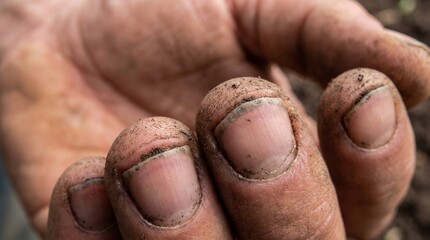
The Bottom Line
Filthy-looking fingernails don't automatically reveal poor hygiene, and they certainly don't define a person's character.
Sometimes the explanation is incredibly ordinary: dirt from gardening, grease from work, paint from a project, or debris accumulated during everyday activities.
But when the nail itself changes—becoming unusually thick, brittle, discolored, painful, separated, or persistently abnormal—the explanation may be more than simple dirt.
The smartest approach is neither to judge nor to panic.
Clean what can be cleaned, pay attention to changes that don't go away, and have persistent or unexplained nail abnormalities evaluated by a healthcare professional.
Your fingernails may tell a small part of your story—but they never tell the whole story.