For some people, seeing a lizard indoors is an ordinary occurrence. They may simply wonder how it entered the house and whether it will disappear on its own. For others, however, the unexpected appearance of a lizard can spark curiosity about something deeper. Could it symbolize good luck, prosperity, protection, or an important change approaching in life?
Across different cultures, lizards have been associated with a fascinating variety of beliefs. Some traditions interpret their presence as a positive sign, while others attach special meaning to the place where the animal appears, the time of day, or the circumstances surrounding the encounter. These interpretations have been passed down through generations, becoming part of folklore, household customs, and spiritual traditions.
But there is another side to the story. Lizards also enter homes for practical biological reasons, often seeking insects, shelter, warmth, or a suitable place to hide. Understanding these natural behaviors can help homeowners respond calmly without dismissing the cultural stories that make such encounters interesting.
So, what does it really mean when a lizard enters your home? The answer depends on whether you look at the encounter through the lens of tradition, symbolism, or science.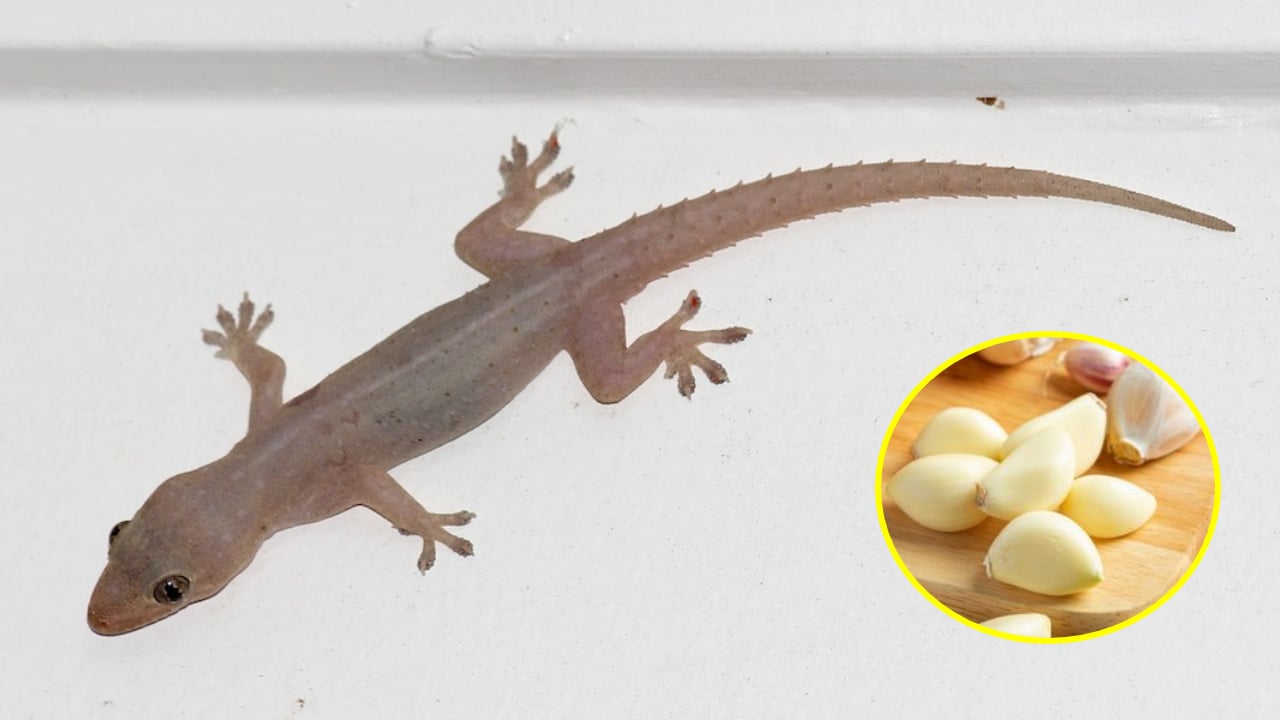
1. A Lizard in Your Home: A Symbol of Good Luck?
In some cultural traditions, the appearance of a lizard inside a home is interpreted as a potentially positive sign. People may associate the animal with good fortune, prosperity, or the arrival of favorable opportunities.
These beliefs vary considerably between communities. There is no single interpretation shared by every culture, and a lizard does not carry the same symbolic meaning everywhere.
In certain folk traditions, small animals that enter a house unexpectedly are thought to bring messages about changes in the household. Because lizards can appear suddenly and disappear just as quickly, their presence may be interpreted as a reminder to pay attention to unexpected opportunities.
Some people might view a lizard near the entrance as a symbol of new beginnings. Others may regard its presence in a familiar room as a sign that the home is entering a new phase.
Imagine discovering a lizard on the wall shortly before receiving good news about a job, a family matter, or a personal goal. It is easy to connect the two events and remember the encounter as a meaningful coincidence.
However, such an association does not establish that the animal predicted the event or caused it to happen.
From a scientific perspective, there is no reliable evidence that a lizard entering a house predicts financial success, happiness, or future events.
Nevertheless, folklore can still hold personal and cultural significance. For people who grew up hearing stories about household animals and good fortune, a small lizard may inspire a feeling of optimism rather than fear.
The important distinction is between appreciating a traditional belief and assuming that it guarantees a particular outcome.
If you find a lizard inside your home, you can enjoy the curiosity of the moment without feeling that your future depends on its appearance.
2. What Does a Lizard Mean in Different Cultural Traditions?
Lizards appear in the folklore and symbolic traditions of many regions, including parts of Asia, Africa, Oceania, and the Americas.
Their meanings are not uniform. In one community, a lizard may be associated with renewal or adaptability. In another, it may appear in stories about the natural world, ancestral connections, or the relationship between humans and their environment.
Traditional beliefs in parts of Asia
In some Asian communities, household lizards are associated with omens or interpreted according to local customs. Certain folk traditions attach meaning to where an animal appears, when it is seen, or what happens immediately afterward.
In parts of South and Southeast Asia, people may encounter traditional sayings that connect lizard behavior with luck, warnings, or future developments. These beliefs differ between regions and families, and they should not be treated as a single, universally accepted system.
For example, a family might regard a lizard appearing near a doorway as an interesting sign of change, while another family may simply see it as an animal looking for insects.
Symbolism in Indigenous traditions
In some Indigenous cultural traditions, lizards and other reptiles appear in stories associated with the land, survival, transformation, or relationships between living things.
The meaning depends on the specific people, community, and story. It would be inaccurate to assume that all Indigenous cultures assign the same symbolism to lizards.
Where such stories are part of a living cultural tradition, they are best understood within their original context rather than reduced to a universal explanation of what an animal means when it enters a house.