A headache can be more than just a painful sensation. The location, quality, duration, and accompanying symptoms can sometimes provide clues about what may be causing it.
You might feel pain across your forehead, behind one eye, around your temples, at the back of your head, or on only one side. Sometimes the pain feels like pressure or tightness. Other times it may throb, pulse, or come in sharp waves.
But there is an important point to remember:
Where your head hurts does not, by itself, tell you exactly what condition you have.
Headache location can offer clues, but doctors usually consider the entire pattern—including triggers, duration, severity, associated symptoms, medical history, and neurological findings.
Most headaches are not caused by something dangerous. However, certain patterns deserve prompt medical attention.
Let's look at what different headache locations may mean.
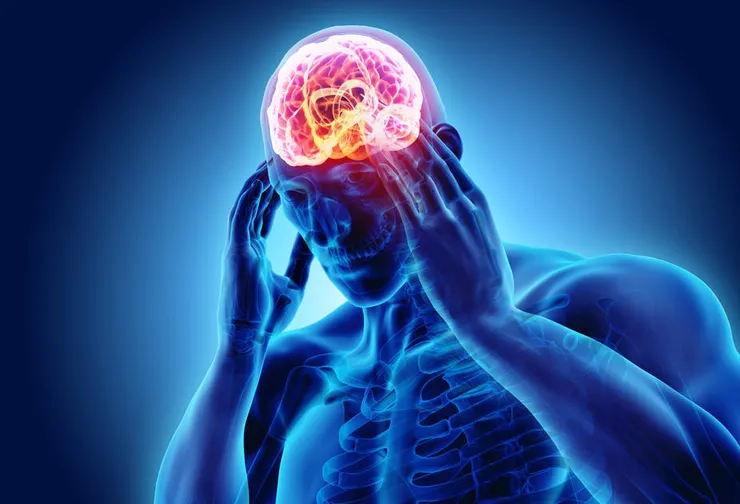
1. Pain Across the Forehead
Headache pain across the forehead is common and can occur with several different types of headaches.
A tension-type headache is one possibility.
This type of headache often feels like:
-
Pressure
-
Tightness
-
A band around the head
-
Dull or aching pain
-
Mild to moderate discomfort
It may occur on both sides of the head rather than being concentrated in one specific spot.
Stress, poor sleep, prolonged screen use, dehydration, and muscle tension can contribute to headaches of this type.
Forehead pain can also occur with migraine or sinus-related symptoms, so the location alone isn't enough to determine the cause.
2. Pain Between or Behind the Eyes
Pain around or behind the eyes can occur with several different conditions.
Migraine is one possibility.
Some people with migraine experience pain around one eye or the forehead, sometimes accompanied by:
-
Nausea
-
Sensitivity to light
-
Sensitivity to sound
-
Visual disturbances
-
Throbbing pain
Sinus problems can also produce pressure around the eyes, forehead, and cheeks, particularly when accompanied by nasal congestion or facial pressure.
However, severe eye pain—especially when combined with vision changes, a red eye, vomiting, or sudden onset—should not simply be assumed to be a headache.
Certain eye conditions require urgent evaluation.
3. Pain on One Side of the Head
A headache affecting primarily one side of the head is commonly associated with migraine.
Migraine pain can be moderate to severe and may feel:
-
Throbbing
-
Pulsating
-
Intensely painful
-
Worse with physical activity
Some people experience nausea, vomiting, sensitivity to light, or sensitivity to sound.
Migraine can occur with or without an aura.
An aura may involve temporary neurological symptoms such as:
-
Flashing lights
-
Zigzag patterns
-
Blind spots
-
Tingling
-
Numbness
-
Difficulty speaking
Not every one-sided headache is a migraine, however.
Other headache disorders can also cause pain on one side.
4. Pain Around One Eye
Severe pain centered around one eye deserves special attention because it can occur with cluster headaches.
Cluster headaches are relatively uncommon but can be extremely intense.
They often involve severe pain around or behind one eye and may occur in repeated attacks.
During an attack, the same side may develop symptoms such as:
-
Watery eye
-
Red eye
-
Drooping eyelid
-
Nasal congestion
-
Runny nose
-
Facial sweating
The pain can be so intense that a person may feel restless or unable to sit still.
If you've never experienced this type of severe headache before, medical evaluation is appropriate.
5. Pain Around the Temples
Pain around one or both temples can occur with tension headaches, migraine, and other conditions.
For some people, temple pain is associated with stress or muscle tension.
However, new temple pain in an older adult, especially when accompanied by scalp tenderness, jaw pain while chewing, or vision changes, deserves prompt medical evaluation.
A condition called giant cell arteritis can affect blood vessels in the head and may threaten vision if untreated.
This is one reason the age of the person and accompanying symptoms matter when evaluating headache location.
6. Pain at the Back of the Head
Pain at the back of the head can be associated with tension-type headaches or irritation of nerves and muscles in the neck and scalp.
You may notice that the discomfort begins around the neck and moves upward toward the back of the head.
Possible contributing factors include:
-
Poor posture
-
Long periods at a computer
-
Neck muscle tension
-
Sleeping in an awkward position
-
Stress
-
Prolonged smartphone use
In some cases, irritation of the occipital nerves can produce sharp, shooting, or electric-like pain in the back of the head.
Persistent or unusual pain should be evaluated rather than automatically blamed on posture.
7. Pain Starting in the Neck and Moving Upward
Sometimes what feels like a headache actually begins in the neck.
This can happen with a cervicogenic headache, which is associated with structures in the neck.
The pain may:
-
Begin at the base of the skull
-
Move toward the forehead
-
Affect one side
-
Become worse with certain neck movements
-
Occur alongside neck stiffness
Poor posture and prolonged desk work can contribute to neck discomfort, but persistent headaches originating from the neck deserve proper evaluation.
8. Pressure Across the Face and Forehead
Many people assume that pain or pressure around the forehead, cheeks, and nose automatically means a sinus infection.
But that's not always true.
Migraine can sometimes cause symptoms that feel similar to sinus pressure.
A true sinus infection is more likely to involve symptoms such as:
-
Nasal congestion
-
Thick nasal discharge
-
Reduced sense of smell
-
Facial pressure
-
Fever
-
Symptoms following a respiratory infection
If facial pressure occurs without typical nasal symptoms, migraine or another headache disorder may be a possibility.
9. Pain at the Top of the Head
Pain at the crown or top of the head can occur with tension-type headaches and migraine.
The sensation might feel like:
-
Pressure
-
Tightness
-
Pulsing
-
Dull aching
-
A localized tender area
The location itself isn't enough to identify the cause.
Doctors also consider whether the pain is new, how long it lasts, whether it recurs, and whether neurological symptoms accompany it.
10. Pain on Both Sides of the Head
Headaches affecting both sides are commonly associated with tension-type headaches.
These headaches often feel like pressure rather than intense throbbing.
They may be associated with:
-
Stress
-
Fatigue
-
Poor sleep
-
Long periods of concentration
-
Muscle tension
-
Eye strain
Tension-type headaches are among the most common headache disorders.
However, migraine can sometimes affect both sides as well, so the pattern isn't definitive.
11. Headache With Light Sensitivity
If your headache makes ordinary light feel uncomfortable, migraine may be one possibility.
This symptom is known as photophobia.
You may find yourself wanting to:
-
Turn off the lights
-
Close the curtains
-
Avoid screens
-
Stay in a dark room
Light sensitivity can also occur with other conditions, so it isn't exclusive to migraine.
If severe headache and light sensitivity occur with fever, stiff neck, confusion, or other serious symptoms, seek urgent medical attention.
12. Headache With Sound Sensitivity
Some people become unusually sensitive to sound during a migraine.
Normal sounds may suddenly feel:
-
Too loud
-
Irritating
-
Painful
-
Overwhelming
This can occur together with nausea and light sensitivity.
If you repeatedly experience this pattern, keeping a headache diary can help identify whether your symptoms follow a consistent migraine pattern.
13. Headache With Nausea
Nausea is another symptom commonly associated with migraine.
A migraine attack can make you feel:
-
Queasy
-
Uncomfortable
-
Unable to eat
-
Sensitive to smells
-
Occasionally prone to vomiting
However, headache with nausea can have many other causes.
The combination becomes more concerning if the headache is sudden and severe or accompanied by neurological changes.
14. Headache After Long Screen Time
Many people experience headaches after spending hours looking at a computer, tablet, or smartphone.
Possible contributors include:
-
Eye strain
-
Reduced blinking
-
Poor posture
-
Neck tension
-
Bright screens
-
Poor lighting
-
Lack of breaks
-
Dehydration
-
Sleep disruption
The solution isn't necessarily to stop using screens entirely.
Try:
-
Taking regular visual breaks
-
Adjusting screen brightness
-
Improving posture
-
Keeping the screen at an appropriate distance
-
Making sure your workspace is comfortable
-
Staying hydrated
-
Getting enough sleep
If headaches continue despite these changes, consider an eye examination or medical evaluation.
15. Headache After Waking Up
A headache in the morning can have several possible causes.
These may include:
-
Poor sleep
-
Dehydration
-
Alcohol
-
Teeth grinding
-
Sleep apnea
-
Medication effects
-
Migraine
-
Excessive or insufficient sleep
If you frequently wake with headaches, especially if you also snore loudly, gasp during sleep, or feel exhausted during the day, sleep apnea may be worth discussing with a healthcare professional.
Morning headaches that are new, severe, or progressively worsening also deserve evaluation.
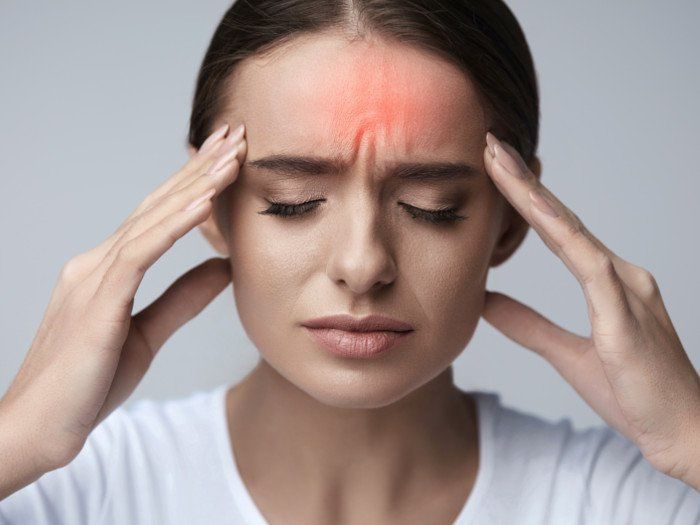
16. Headache After Exercise
Some people develop headaches during or after physical activity.
These are sometimes called exercise headaches.
They can occur after activities such as:
-
Running
-
Weightlifting
-
Swimming
-
Cycling
-
Intense sports
Not every exercise-related headache is dangerous.
However, a sudden, explosive headache during strenuous exercise can occasionally be associated with a serious underlying problem.
If a headache reaches maximum intensity within seconds or minutes, particularly during exertion, seek urgent medical evaluation.
17. Headache After Coughing or Straining
Some people experience headaches after:
-
Coughing
-
Sneezing
-
Laughing forcefully
-
Heavy lifting
-
Straining during bowel movements
These are sometimes called cough or exertional headaches.
They can be harmless, but a new headache triggered by coughing or straining should be evaluated, particularly if it is severe or repeatedly occurring.
18. Headache Associated With Dehydration
Not drinking enough fluid can contribute to headaches.
You may also experience:
-
Thirst
-
Dry mouth
-
Darker urine
-
Fatigue
-
Dizziness
Dehydration is particularly likely after:
-
Heavy exercise
-
Hot weather
-
Fever
-
Vomiting
-
Diarrhea
-
Excessive sweating
If you're mildly dehydrated, drinking fluids and resting may help.
Severe dehydration requires medical attention.
19. Headache Related to Caffeine
Caffeine can affect headaches in different ways.
For some people, moderate caffeine may temporarily improve certain headaches.
But suddenly stopping regular caffeine consumption can also trigger a caffeine-withdrawal headache.
If you normally drink several cups of coffee every day and suddenly stop, you may experience:
-
Headache
-
Fatigue
-
Irritability
-
Difficulty concentrating
Reducing caffeine gradually may be easier for some people than stopping abruptly.
20. Headaches Related to Stress
Stress is one of the most common headache triggers.
When you're stressed, muscles around your neck, shoulders, scalp, and jaw may become tense.
You may develop a dull, pressure-like headache.
Stress can also indirectly contribute to headaches by disrupting:
-
Sleep
-
Eating patterns
-
Hydration
-
Exercise
-
Caffeine consumption
Managing stress may therefore help reduce headaches for some people.
Useful approaches include:
-
Regular physical activity
-
Relaxation exercises
-
Consistent sleep
-
Taking breaks
-
Breathing exercises
-
Limiting excessive screen time
-
Addressing sources of chronic stress
21. Headaches Can Be Related to Poor Sleep
Too little sleep can trigger headaches in some people.
But sleeping much longer than usual can also affect headache patterns.
An irregular sleep schedule may be particularly problematic for people prone to migraine.
Try to maintain relatively consistent:
-
Bedtime
-
Wake time
-
Meal schedule
-
Exercise routine
If you're regularly getting enough sleep but still waking with headaches, consider discussing the pattern with a healthcare professional.
22. Headache With Jaw Pain
Headaches can sometimes be related to jaw tension or teeth grinding.
You may notice:
-
Morning headaches
-
Jaw soreness
-
Tooth sensitivity
-
Clicking in the jaw
-
Facial tension
Stress can increase teeth grinding, particularly during sleep.
A dentist can evaluate signs of nighttime grinding and jaw problems.
23. Headache With Visual Disturbances
Some headaches, particularly migraine, can involve temporary visual changes.
You might see:
-
Flashing lights
-
Zigzag lines
-
Blind spots
-
Shimmering patterns
These symptoms can be part of a migraine aura.
However, new or sudden vision loss should never automatically be assumed to be migraine.
Sudden vision changes require prompt medical assessment, particularly when they occur with weakness, numbness, speech difficulty, or severe headache.
24. Headache With Numbness or Weakness
This is an important warning sign.
If a headache occurs alongside:
-
Weakness on one side
-
Facial drooping
-
Numbness
-
Difficulty speaking
-
Difficulty understanding speech
-
Loss of coordination
you should seek emergency medical care.
These symptoms can be associated with stroke or other serious neurological conditions.
Don't wait to see whether they go away.
25. A Sudden "Worst Headache of Your Life"
One of the most important headache warning signs is a headache that appears suddenly and reaches maximum intensity extremely quickly.
People sometimes describe this as a:
"Thunderclap headache."
It can be associated with serious conditions, including bleeding around the brain.
This type of headache requires emergency evaluation.
Don't assume that it is simply a severe migraine, particularly if you've never experienced anything like it before.
26. Headache With Fever and Stiff Neck
A severe headache accompanied by:
-
Fever
-
Stiff neck
-
Confusion
-
Sensitivity to light
-
Vomiting
can sometimes indicate a serious infection affecting the brain or surrounding tissues.
This combination requires urgent medical attention.
Don't try to diagnose the cause at home.
27. Headache After a Head Injury
A new or worsening headache after a blow to the head deserves attention.
This is especially important if you also experience:
-
Repeated vomiting
-
Confusion
-
Loss of consciousness
-
Increasing drowsiness
-
Weakness
-
Seizures
-
Vision problems
-
Difficulty speaking
Head injuries can sometimes cause complications even when the initial impact didn't seem severe.
28. A Headache That Keeps Getting Worse
Most occasional headaches aren't a sign of something dangerous.
But a headache that becomes progressively:
-
More frequent
-
More severe
-
Longer lasting
-
Different from your normal pattern
should be evaluated.
A change in your usual headache pattern is often more important than the exact location of the pain.
29. Headaches That Become More Frequent
If you used to get a headache once every few months and suddenly experience them several times a week, that's a meaningful change.
Possible contributors include:
-
Stress
-
Sleep changes
-
Medication overuse
-
Hormonal changes
-
Caffeine changes
-
Vision problems
-
Migraine
-
Other medical conditions
Keeping track of when headaches occur can help identify patterns.
30. Keep a Headache Diary
If you frequently experience headaches, consider recording:
-
Date and time
-
Location of pain
-
Severity
-
Duration
-
Type of pain
-
Food and drinks
-
Sleep quality
-
Stress level
-
Physical activity
-
Menstrual cycle when relevant
-
Medications taken
-
Other symptoms
Over time, this information can reveal potential triggers.
It can also give your healthcare professional a clearer picture of your symptoms.
Does Headache Location Really Tell You the Cause?
This is the most important question.
Sometimes it provides a clue—but location alone is not enough.
For example:
A one-sided throbbing headache with nausea and light sensitivity may fit a migraine pattern.
Severe pain around one eye with tearing and nasal congestion may suggest a cluster headache.
A pressure-like headache on both sides may fit a tension-type pattern.
But there are exceptions to almost every pattern.
That's why medical professionals look at the complete symptom profile rather than relying solely on where the pain occurs.
Common Headache Locations at a Glance
Forehead
May occur with tension headaches, migraine, sinus-related symptoms, or other causes.
Temples
Can occur with tension headaches or migraine; new temple pain in older adults requires special attention.
Behind One Eye
Can occur with migraine or cluster headache and may sometimes reflect an eye problem.
Back of the Head
May be associated with tension, neck-related headaches, or nerve irritation.
Top of the Head
Can occur with tension headaches and migraine.
One Side
Often seen with migraine and some other primary headache disorders.
Entire Head
Can occur with tension-type headaches, migraine, illness, dehydration, and many other causes.
When Is a Headache an Emergency?
Seek emergency medical attention if you experience a headache that:
-
Appears suddenly and reaches maximum intensity rapidly
-
Is the worst or most unusual headache you've ever experienced
-
Occurs with weakness or numbness
-
Causes difficulty speaking
-
Causes confusion
-
Causes fainting
-
Occurs with a seizure
-
Occurs with severe vision loss
-
Occurs with a high fever and stiff neck
-
Develops after a significant head injury
-
Occurs with severe chest pain or serious breathing difficulty
These symptoms don't necessarily mean something catastrophic is happening, but they require urgent evaluation because potentially serious conditions need to be ruled out.
How to Reduce Common Headache Triggers
For many people, simple lifestyle habits can help reduce headache frequency.
Stay Hydrated
Drink fluids regularly according to your body's needs.
Get Consistent Sleep
Try to maintain a regular sleep and wake schedule.
Don't Skip Meals
Long periods without food can trigger headaches in some people.
Manage Caffeine
Avoid suddenly changing your usual caffeine intake if you regularly consume it.
Take Screen Breaks
If you work at a computer, regularly look away from the screen and move your body.
Check Your Posture
Keep your neck and shoulders relaxed, particularly during desk work.
Exercise Regularly
Moderate physical activity can benefit overall health and may help reduce headache frequency for some people.
Manage Stress
Find strategies that work for you rather than allowing chronic stress to build continuously.
Be Careful With Painkillers
When headaches occur frequently, it can be tempting to take pain medication repeatedly.
But frequent use of certain headache medications can itself contribute to medication-overuse headaches.
This can create a frustrating cycle:
Headache → medication → temporary relief → headache returns → more medication
If you're regularly needing pain medication for headaches, discuss the pattern with a healthcare professional rather than continually increasing your use.
The Bottom Line
The location of a headache can sometimes offer useful clues, but it cannot tell you the exact cause by itself.
Pain across the forehead may occur with tension headaches or migraine. Pain around one eye can occur with cluster headaches or migraine. Pain at the back of the head may be related to neck tension or other causes. One-sided throbbing pain accompanied by nausea and light sensitivity may fit a migraine pattern.
But symptoms overlap, and serious conditions can sometimes produce unusual or unexpected headache patterns.
What matters most is the overall pattern:
Where does it hurt?
How quickly did it begin?
How severe is it?
How long does it last?
Is this different from your usual headaches?
Are there other symptoms?
A headache that is sudden and extremely severe, or one accompanied by neurological symptoms, fever with a stiff neck, significant vision changes, or a recent head injury, should never be dismissed as an ordinary headache.
For recurring headaches, keeping a simple headache diary can help you identify triggers and provide useful information to a healthcare professional.
Your headache location may offer a clue—but your entire symptom pattern tells the bigger story.