Sweet potatoes are often associated with comforting side dishes and holiday meals, but they can also make a surprisingly practical breakfast.
Naturally sweet, filling, and rich in nutrients, sweet potatoes provide complex carbohydrates, dietary fiber, potassium, vitamin C, and carotenoids such as beta-carotene. They can be prepared in many ways, but boiling is one of the simplest methods because it requires little added fat or sugar.
Eating sweet potatoes for breakfast doesn't guarantee dramatic changes in your health, and no single food can "detox" the body or prevent disease on its own. However, regularly including them in a balanced diet may offer several nutritional advantages.
Here's what may happen when sweet potatoes become part of your morning routine.

1. You May Start the Day With More Sustained Energy
Sweet potatoes are primarily a source of carbohydrates, which your body uses for energy.
Unlike many highly processed breakfast foods that can be heavily refined or loaded with added sugar, a whole sweet potato also provides fiber and micronutrients.
That combination can make it a more substantial breakfast carbohydrate.
Instead of having a breakfast based mainly on sugary cereal, pastries, or sweetened drinks, you could pair boiled sweet potato with:
-
Eggs
-
Plain Greek yogurt
-
Cottage cheese
-
Beans
-
Nuts or seeds
Adding protein and healthy fats can make the meal more balanced and satisfying.
2. Your Fiber Intake May Increase
One of the biggest nutritional advantages of sweet potatoes is their fiber content.
Dietary fiber supports normal digestive function and can help promote regular bowel movements.
A breakfast containing sweet potato can contribute to your daily fiber intake, especially when combined with other plant foods.
Fiber may also help support:
-
Satiety
-
Healthy cholesterol levels
-
Blood glucose regulation
-
A diverse gut microbiome
However, the amount of fiber you get depends on portion size and preparation.
3. You May Feel Fuller After Breakfast
Sweet potatoes have a relatively high water content and contain fiber, both of which contribute to food volume.
A moderate serving can therefore make breakfast feel substantial without requiring a large amount of added fat or sugar.
For people trying to manage their weight, replacing a calorie-dense breakfast with a meal centered around nutrient-rich whole foods can be helpful.
But sweet potatoes aren't a "fat-burning" food.
Your overall calorie intake, activity level, sleep, genetics, medications, and eating pattern all influence body weight.
4. Your Body Gets More Beta-Carotene
Orange-fleshed sweet potatoes are particularly rich in beta-carotene, a carotenoid that the body can convert into vitamin A.
Vitamin A is important for:
-
Normal vision
-
Immune function
-
Skin and tissue health
-
Normal cell growth
The amount of beta-carotene varies by sweet potato variety.
Orange varieties generally contain more beta-carotene than some white or purple varieties.
This is one reason colorful vegetables can be such a valuable part of a varied diet.
5. They May Support Eye Health
Because beta-carotene can be converted into vitamin A, orange sweet potatoes can contribute to normal eye function.
Vitamin A plays an important role in maintaining normal vision, particularly in low-light conditions.
However, eating sweet potatoes isn't a treatment for eye disease.
Eye health also depends on overall nutrition, age, genetics, blood sugar control, blood pressure, smoking status, and regular eye care.
6. You Get a Useful Amount of Potassium
Sweet potatoes provide potassium, an essential mineral involved in:
-
Muscle contraction
-
Nerve signaling
-
Fluid balance
-
Normal heart function
-
Blood pressure regulation
Getting enough potassium through a balanced diet can support cardiovascular health.
However, people with advanced kidney disease or conditions requiring potassium restriction may need to limit high-potassium foods.
If you've been told to monitor potassium, ask your healthcare professional or dietitian whether sweet potatoes fit your dietary plan.
7. They Provide Vitamin C
Sweet potatoes contain vitamin C, although the amount can vary depending on the variety and preparation method.
Vitamin C supports:
-
Immune function
-
Collagen production
-
Wound healing
-
Iron absorption
-
Protection of cells from oxidative damage
Boiling can cause some water-soluble nutrients, including vitamin C, to leach into the cooking water.
This doesn't make boiled sweet potatoes unhealthy, but preparation methods can influence nutrient retention.
8. Your Breakfast May Become More Nutrient-Dense
One of the biggest advantages of sweet potatoes isn't a single nutrient.
It's the combination of:
Carbohydrates + fiber + vitamins + minerals + plant compounds
Compare a breakfast pastry that provides mostly refined carbohydrates and added sugar with a meal containing boiled sweet potato, eggs, vegetables, and plain yogurt.
The second meal provides a much broader range of nutrients.
That's the real value of incorporating whole foods into your routine.
9. They Can Support a Healthier Digestive Pattern
The fiber in sweet potatoes can contribute to regular bowel movements.
For people who don't eat enough fiber, adding vegetables such as sweet potatoes can be a simple way to improve overall intake.
But increase fiber gradually.
A sudden increase can sometimes cause:
-
Gas
-
Bloating
-
Abdominal discomfort
Drinking adequate fluids can also help your digestive system adapt to a higher-fiber diet.
10. Your Gut Microbiome May Benefit From More Plant Fiber
The large intestine contains trillions of microorganisms that interact with dietary components, particularly certain types of fiber.
Sweet potatoes provide carbohydrates and fiber that can contribute to the food supply available to gut microorganisms.
A diverse diet containing many different plant foods is generally more useful for gut health than relying on a single "superfood."
Try rotating sweet potatoes with:
-
Oats
-
Beans
-
Lentils
-
Whole grains
-
Broccoli
-
Carrots
-
Leafy greens
-
Fruit
Variety is key.
11. Boiled Sweet Potatoes Can Be a Lower-Fat Breakfast Option
Boiling sweet potatoes doesn't require oil or butter.
That can make them useful if you're trying to reduce the amount of added fat in your breakfast.
Of course, you don't need to avoid healthy fats.
Adding a small amount of:
-
Nuts
-
Seeds
-
Avocado
-
Natural nut butter
can make the meal more nutritionally balanced.
The main point is that boiled sweet potatoes provide a naturally flavorful base without requiring large amounts of added fat or sugar.

12. They Can Be a Better Alternative to Some Refined Breakfast Foods
Sweet potatoes can replace refined carbohydrates in many breakfast combinations.
For example, instead of:
Pastry + sweetened coffee
try:
Boiled sweet potato + eggs + vegetables
Or:
Boiled sweet potato + plain Greek yogurt + nuts + berries
These combinations provide more protein, fiber, vitamins, and minerals.
The goal isn't to declare one breakfast "good" and another "bad."
It's about building meals that provide lasting nutritional value.
13. They May Have a Gentler Effect on Blood Sugar Than Some Refined Foods
Sweet potatoes contain carbohydrates, so they do raise blood glucose.
However, their fiber content and overall food structure can make them different from highly refined carbohydrate foods.
Blood-glucose response varies according to:
-
Portion size
-
Cooking method
-
Variety
-
Individual metabolism
-
What you eat alongside the sweet potato
Pairing sweet potato with protein, fiber-rich vegetables, or healthy fats may help create a more balanced meal.
People with diabetes should consider the carbohydrate content as part of their overall meal plan rather than assuming sweet potatoes are "free foods."
14. They May Help You Eat More Vegetables
This benefit is easy to overlook.
Sweet potatoes count as a nutrient-rich vegetable, and making them part of breakfast can help increase your total vegetable intake.
Many people eat vegetables mainly at lunch or dinner.
Adding a vegetable to breakfast can spread plant-food intake throughout the day.
Try combining sweet potato with:
-
Spinach
-
Tomatoes
-
Peppers
-
Mushrooms
-
Onions
Now breakfast becomes a much more vegetable-rich meal.
15. Purple Sweet Potatoes Offer Different Plant Compounds
Not all sweet potatoes are orange.
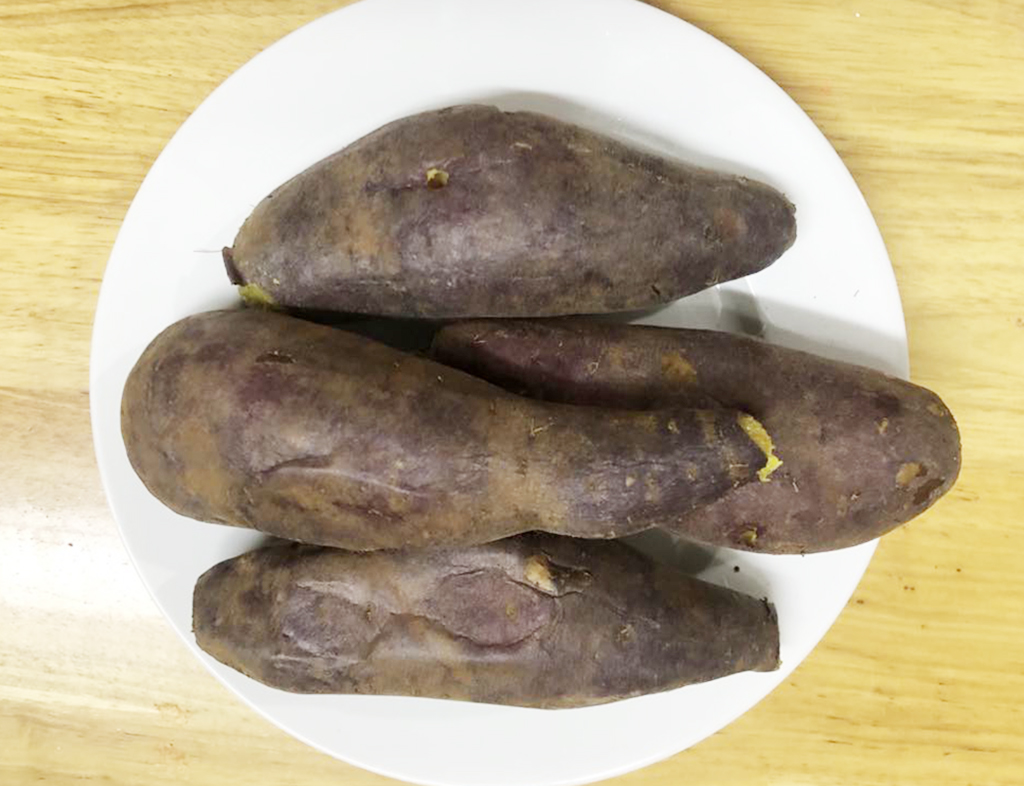
Purple varieties contain anthocyanins, pigments also found in foods such as berries and purple cabbage.
Anthocyanins have antioxidant properties.
Different sweet potato colors therefore provide different combinations of plant compounds.
There's no need to choose only one variety.
Rotating between orange, purple, white, and other varieties can increase dietary diversity.
16. They Can Be Convenient for Meal Preparation
Boiled sweet potatoes can be prepared ahead of time and stored safely in the refrigerator.
That makes them useful for busy mornings.
You can prepare several portions and combine them with different ingredients throughout the week.
For example:
Monday
Sweet potato + eggs + spinach
Tuesday
Sweet potato + Greek yogurt + berries
Wednesday
Sweet potato + beans + avocado
Thursday
Sweet potato + cottage cheese + vegetables
Friday
Sweet potato + eggs + tomatoes
The same basic food can become part of several different meals.
17. You May Reduce Added Sugar at Breakfast
Sweet potatoes naturally taste sweet.
That can make them useful when you're trying to reduce added sugar.
Instead of sweetening oatmeal heavily or eating a sugary pastry, you can combine mashed sweet potato with:
-
Cinnamon
-
Plain yogurt
-
Nuts
-
Chia seeds
-
Fresh fruit
You get natural sweetness without needing large amounts of added sugar.
18. But Portion Size Still Matters
Sweet potatoes are nutritious, but they still contain carbohydrates and calories.
Eating very large portions every morning isn't automatically healthier.
A reasonable portion depends on:
-
Your energy needs
-
Activity level
-
Other foods in the meal
-
Blood glucose goals
-
Overall diet
An athlete with high energy needs may require more carbohydrate than someone with a sedentary lifestyle.
Nutrition should be individualized rather than based on one fixed serving size.
19. What If You Have Diabetes?
Sweet potatoes can still fit into many diabetes-friendly eating patterns.
The key is portion control and meal composition.
Rather than eating a large sweet potato by itself, consider pairing it with:
-
Eggs
-
Fish
-
Chicken
-
Beans
-
Greek yogurt
-
Non-starchy vegetables
-
Healthy fats
This provides protein, fiber, and other nutrients alongside the carbohydrate.
If you monitor blood glucose, you can also observe how your body responds to different portions and preparations.
Your healthcare team can help you determine the appropriate carbohydrate amount for your individual plan.
20. What If You Have Kidney Disease?
This requires more caution.
Sweet potatoes are relatively high in potassium compared with many other vegetables.
People with certain stages of chronic kidney disease may be advised to limit potassium.
That doesn't necessarily mean every person with kidney disease must completely avoid sweet potatoes.
Dietary recommendations depend on:
-
Kidney function
-
Blood potassium
-
Medications
-
Overall diet
If you have been prescribed a potassium-restricted diet, ask your renal dietitian or healthcare professional before making sweet potatoes a daily breakfast.
21. Can Sweet Potatoes Help With Weight Loss?
Sweet potatoes can be useful in a weight-management diet because they're nutrient-dense and contain fiber.
But they don't directly cause fat loss.
Weight loss generally occurs when energy expenditure exceeds energy intake over time.
Sweet potatoes can support that goal when they replace less nutritious, more calorie-dense foods.
For example:
Boiled sweet potato + eggs + vegetables
may be more filling and nutrient-dense than:
Pastry + sugary drink
But adding large amounts of butter, sugar, syrup, or high-calorie toppings can dramatically change the nutritional profile.
22. Be Careful With "Healthy" Toppings
The sweet potato itself isn't usually the problem.
The toppings can change everything.
A plain boiled sweet potato is very different from one covered in:
-
Large amounts of butter
-
Brown sugar
-
Syrup
-
Marshmallows
-
Sweetened condensed milk
If you're trying to keep breakfast nutrient-dense, use toppings such as:
-
Cinnamon
-
Plain yogurt
-
Nuts
-
Seeds
-
Eggs
-
Avocado
-
Fresh herbs
23. Does Boiling Make Sweet Potatoes Healthier?
Boiling is a simple cooking method and doesn't require added oil.
However, cooking can change the texture and how quickly carbohydrates become available for digestion.
The nutritional differences between cooking methods aren't dramatic enough to make one method universally "best."
Boiling, steaming, roasting, and baking can all be part of a healthy diet.
The biggest difference often comes from what you add during preparation.
A plain baked sweet potato can be nutritious.
A sweet potato covered in sugar and butter is a different meal.
24. Can You Eat Sweet Potato Skin?
Sweet potato skin is edible and contains fiber and other nutrients.
If you choose to eat it, wash the sweet potato thoroughly before cooking.
Whether you leave the skin on is mostly a matter of preference and recipe.
25. What If Sweet Potatoes Cause Bloating?
Some people may experience digestive discomfort after eating large amounts of sweet potatoes.
Possible symptoms include:
-
Gas
-
Bloating
-
Abdominal discomfort
If this happens, try reducing the portion and increasing fiber more gradually.
If digestive symptoms are persistent or severe, don't assume sweet potatoes are the only cause. Discuss ongoing symptoms with a healthcare professional.
26. A Balanced Sweet Potato Breakfast
Sweet potatoes provide carbohydrates, but a complete breakfast generally benefits from additional protein and healthy fats.
Try:
Option 1: Savory
Boiled sweet potato + two eggs + spinach + tomatoes
Option 2: High-Protein
Sweet potato + plain Greek yogurt + chia seeds + berries
Option 3: Plant-Based
Sweet potato + black beans + avocado + vegetables
Option 4: Simple
Sweet potato + cottage cheese + fruit
These combinations are more balanced than eating a large amount of sweet potato alone.
27. What Might Change Over Several Weeks?
If eating sweet potatoes for breakfast replaces a less nutritious breakfast, you might gradually notice:
-
More consistent meal quality
-
Higher fiber intake
-
More vegetable consumption
-
Fewer highly processed breakfast foods
-
Greater satiety after meals
But these changes come from the overall dietary pattern, not from a special effect of sweet potatoes.
Don't expect dramatic changes in body weight, blood pressure, or health simply because you started eating one vegetable every morning.
28. What Sweet Potatoes Cannot Do
Be cautious of claims that sweet potatoes can:
-
"Detox" your liver
-
Clean your kidneys
-
Cure diabetes
-
Melt belly fat
-
Prevent cancer by themselves
-
Replace medication
-
Permanently lower blood pressure
These claims go beyond the available evidence.
Sweet potatoes are nutritious.
That's enough.
You don't need to turn them into a miracle food to appreciate their value.
29. Who Should Be More Careful?
Most healthy people can enjoy sweet potatoes regularly.
However, speak with a healthcare professional if you have:
-
Advanced kidney disease
-
A potassium restriction
-
Diabetes requiring careful carbohydrate management
-
Significant digestive sensitivity
-
A condition requiring specific dietary restrictions
Also remember that individual nutritional needs can vary substantially.
30. How to Make Sweet Potatoes Part of a Healthy Routine
If you enjoy them, keep the habit simple.
Prepare Them in Advance
Boil or steam several portions and refrigerate them safely.
Pair Them With Protein
Eggs, yogurt, beans, fish, chicken, or tofu.
Add Vegetables
Spinach, peppers, tomatoes, mushrooms, or other vegetables.
Use Healthy Fats
Nuts, seeds, avocado, or a small amount of olive oil.
Avoid Excessive Added Sugar
Let the natural sweetness of the potato do most of the work.
Vary Your Breakfast
You don't have to eat sweet potatoes every single day.
Oats, whole-grain bread, fruit, eggs, beans, and other nutritious foods can all be part of a healthy rotation.
Quick Nutritional Takeaway
Sweet potatoes can contribute:
Fiber — supports digestive health and satiety.
Beta-carotene — especially abundant in orange varieties and convertible to vitamin A.
Vitamin C — supports immune function and collagen production.
Potassium — important for nerve, muscle, and cardiovascular function.
Carbohydrates — provide energy.
Plant compounds — including carotenoids and, in purple varieties, anthocyanins.
The exact nutritional content varies with variety, portion size, and preparation.
The Bottom Line
Eating sweet potatoes for breakfast can be a nutritious habit, particularly when they replace highly processed or sugar-heavy breakfast foods.
Over time, regularly including them may help you increase your intake of fiber, potassium, vitamin C, beta-carotene, and other beneficial plant compounds.
They can also make breakfast more filling and provide a steady source of carbohydrates.
But the biggest benefit isn't that sweet potatoes have some special power.
It's that they can become part of a balanced, minimally processed breakfast.
Pair them with protein, vegetables, healthy fats, and other whole foods rather than relying on sweet potatoes alone.
If you have diabetes, kidney disease, or another condition requiring dietary restrictions, consider your individual carbohydrate and potassium needs before making them an everyday staple.
Final Thoughts
There is no single breakfast that can transform your health overnight.
But small dietary habits can add up.
Replacing pastries or highly sweetened breakfast foods with a simple boiled sweet potato, eggs, vegetables, and a source of healthy fat can be a meaningful improvement in overall diet quality.
And because sweet potatoes are affordable, versatile, and easy to prepare, they're a practical option for many households.
Think of sweet potatoes as one useful piece of a healthy breakfast—not a miracle food.
A varied diet built around vegetables, fruits, whole grains, legumes, quality protein, and healthy fats will always matter more than any single ingredient.