What Frequent Nail Splitting Could Be Telling You About Your Body
At first glance, splitting nails might seem like a minor cosmetic issue—something caused by dry weather, frequent handwashing, or maybe a bit of neglect. But if it keeps happening over and over again, your body might be trying to send a deeper message.
Nails are more than just a beauty feature. They are a reflection of your internal health. When something is off inside your body, your nails are often one of the first places where signs appear.
So, what does frequent nail splitting really mean?
What Is Nail Splitting?
7
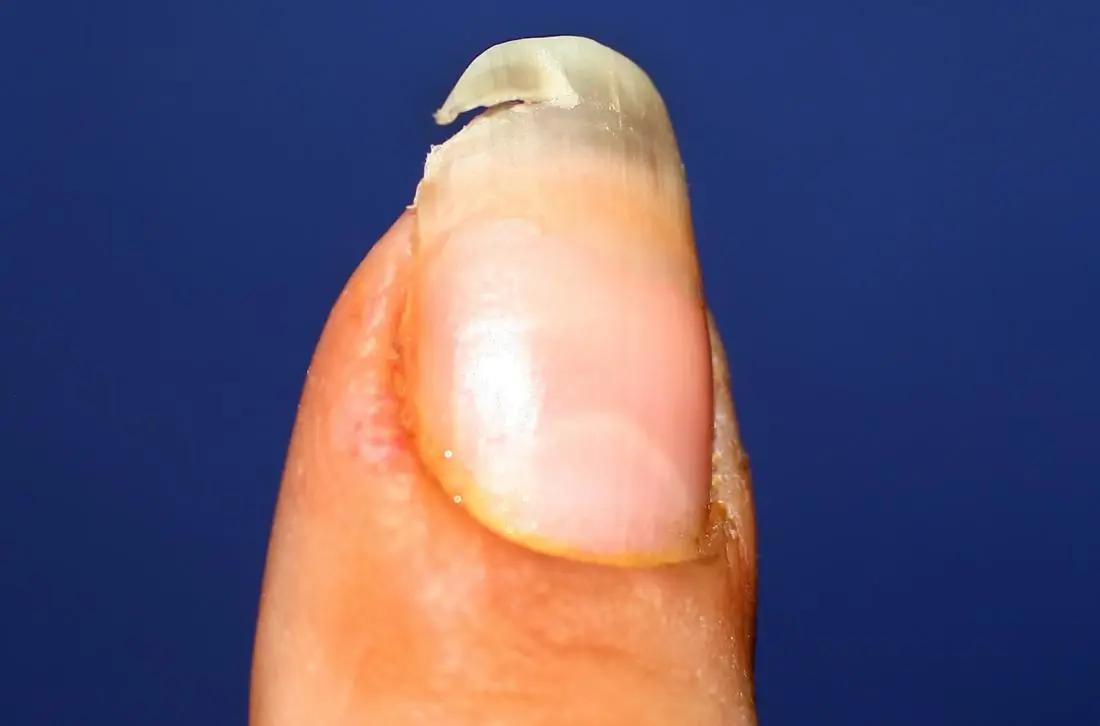
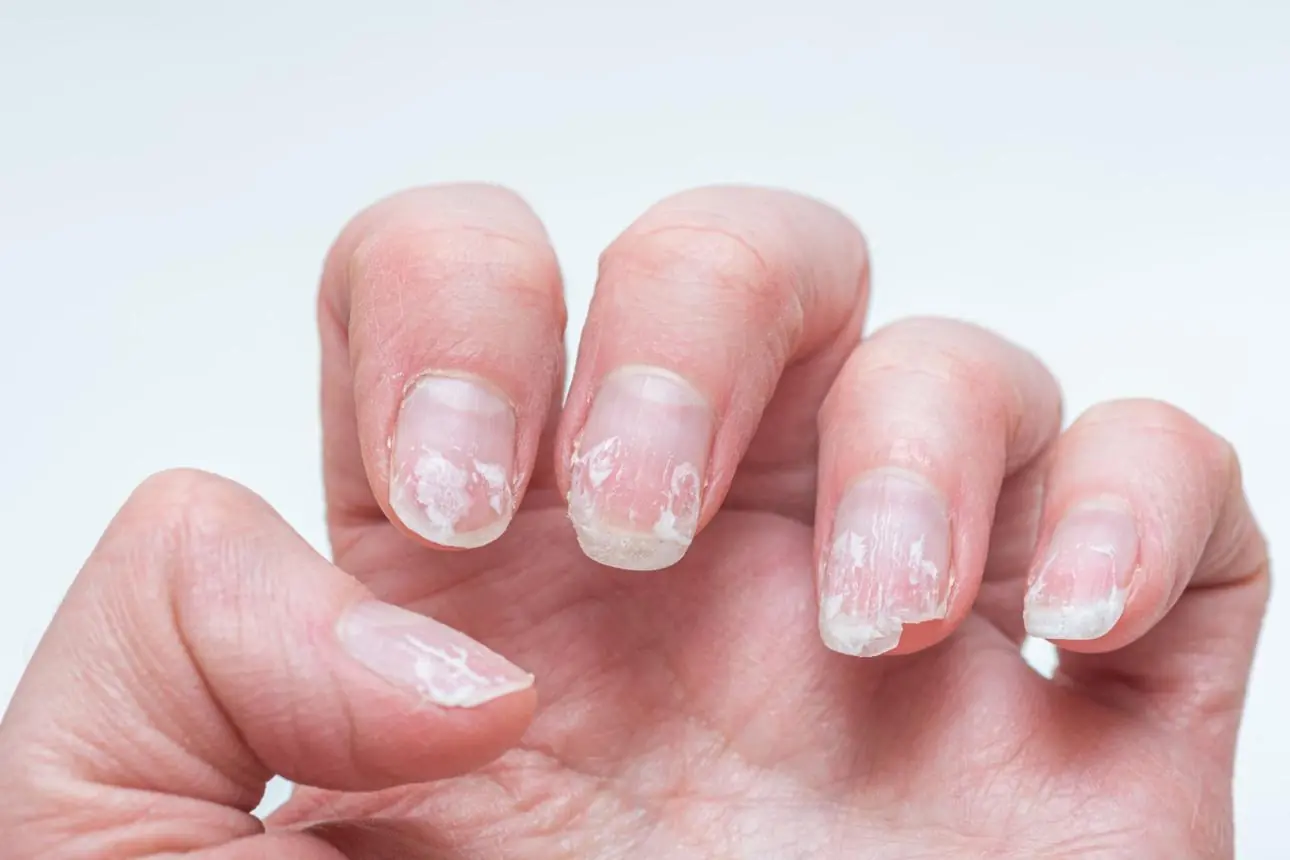
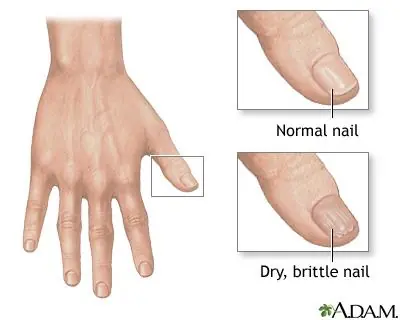
Nail splitting—medically known as onychorrhexis or onychoschizia—refers to nails that crack, peel, or split into layers. This can happen at the tip or along the surface of the nail.
While occasional splitting is normal, frequent or persistent splitting is worth paying attention to.
1. Nutrient Deficiencies
5
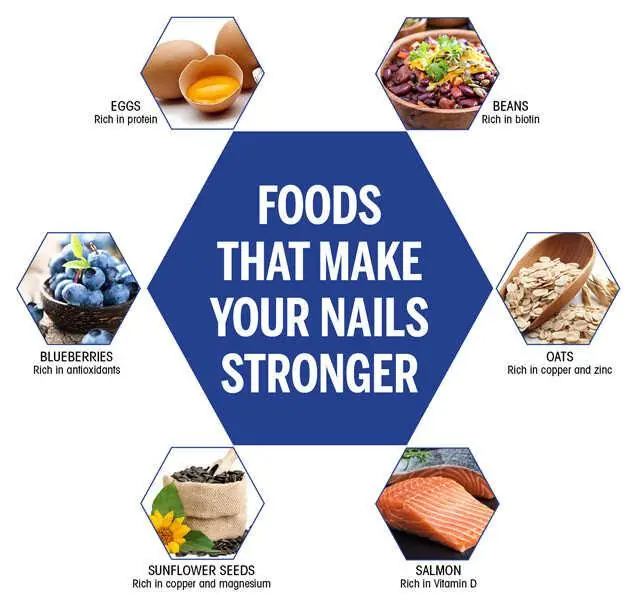
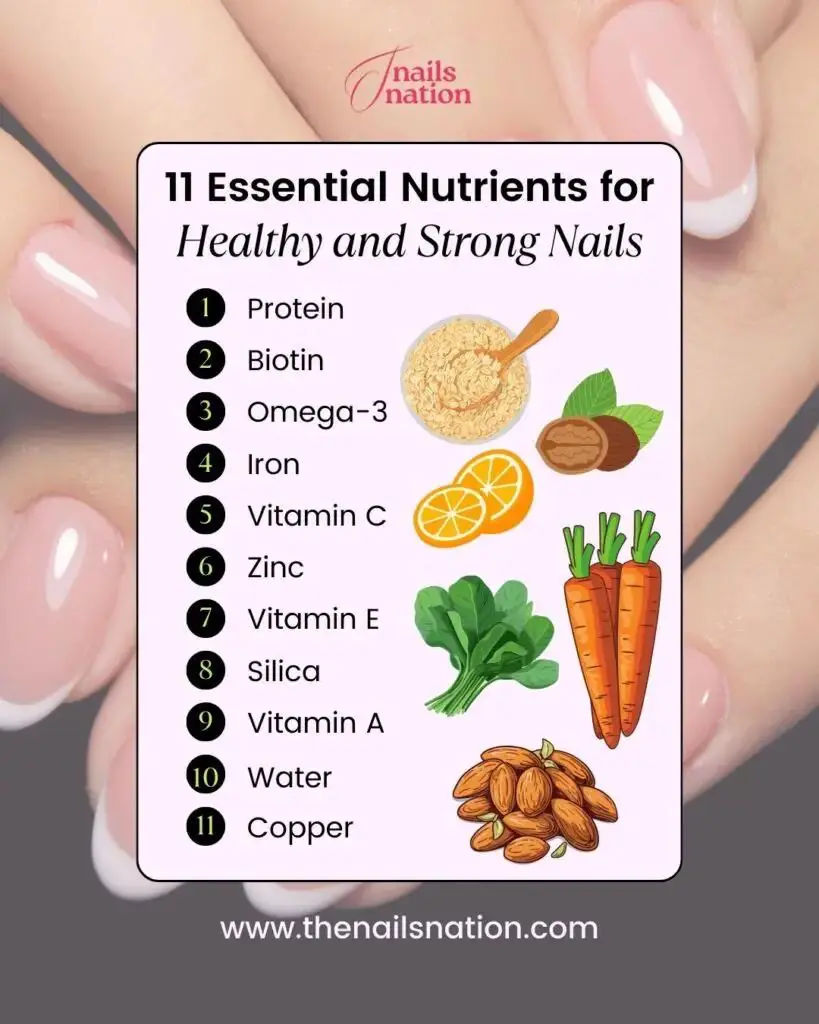
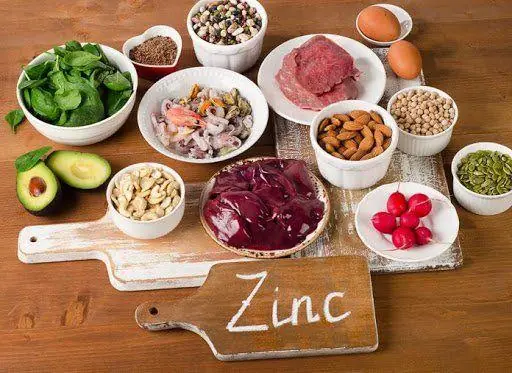
One of the most common causes of weak, splitting nails is a lack of essential nutrients.
Your nails need:
- Biotin (Vitamin B7)
- Iron
- Zinc
- Protein
If your diet is lacking in these, your nails may become brittle and prone to breaking.
👉 For example:
Iron deficiency can reduce oxygen supply to nail cells, making them weak and fragile.
2. Dehydration and Dryness
8
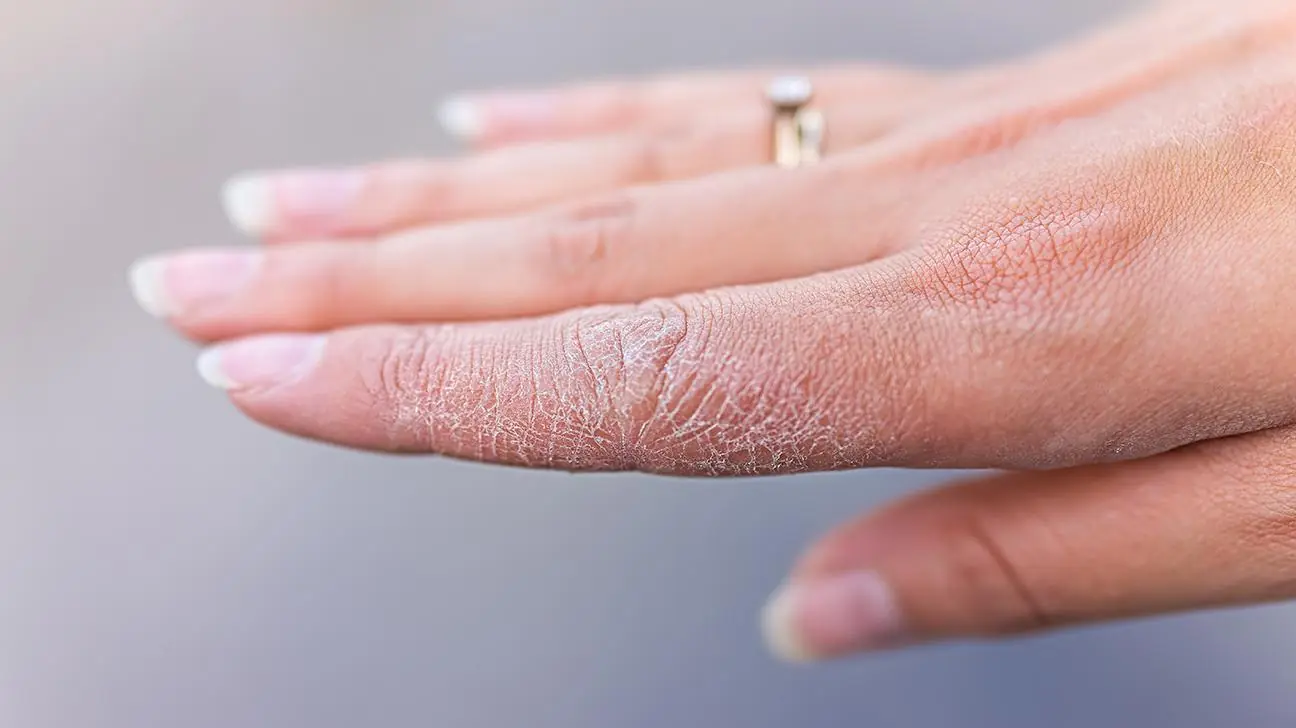
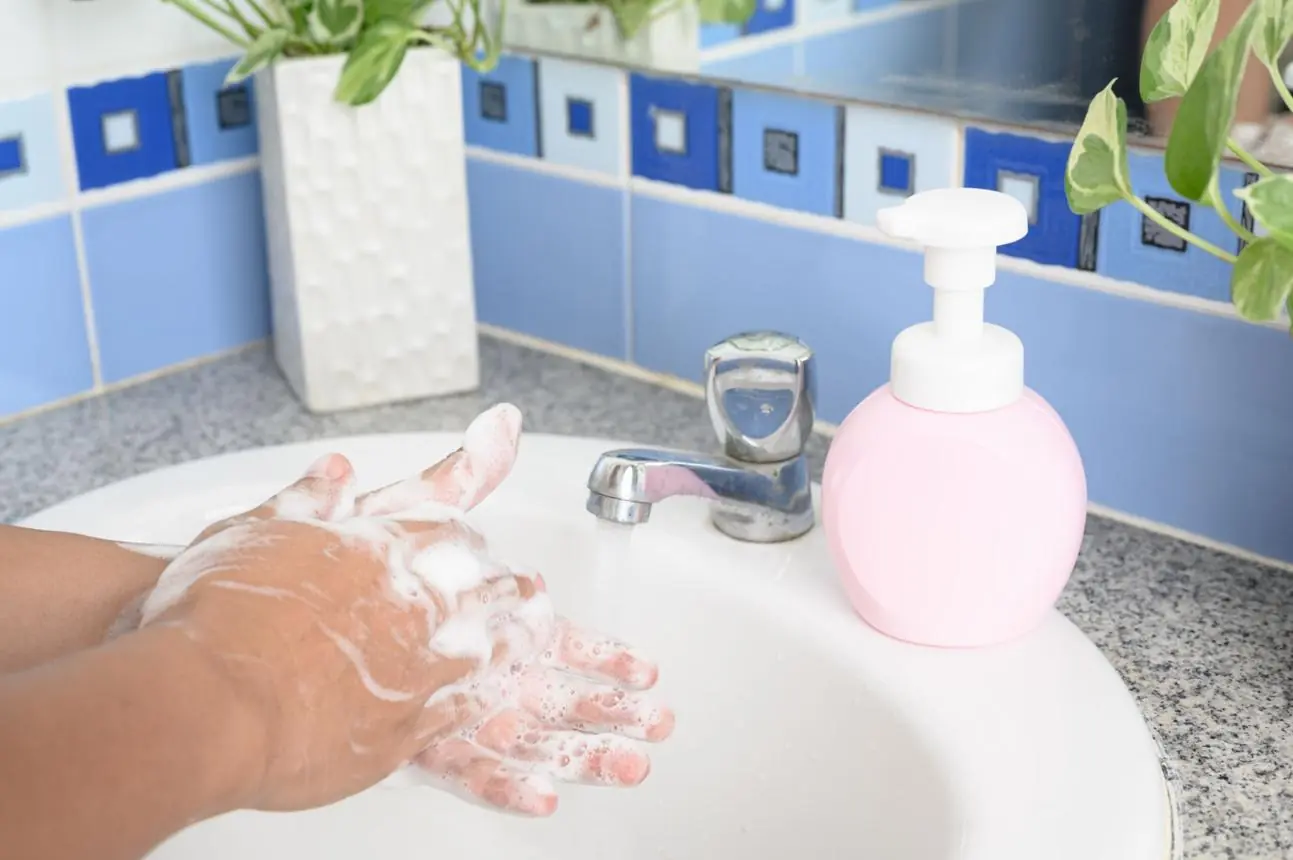
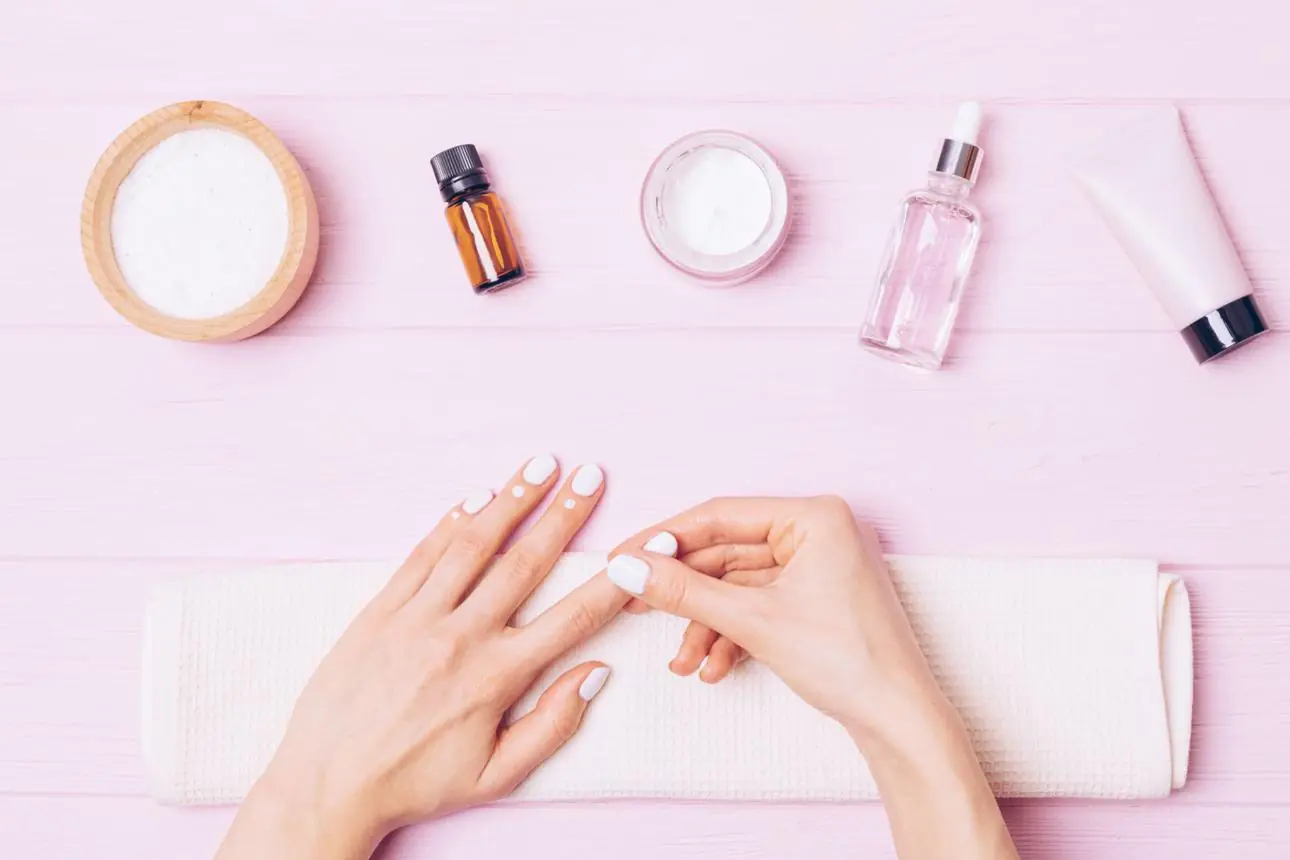
If your nails are constantly exposed to water, soap, or harsh chemicals, they can lose moisture quickly.
This leads to:
- Dryness
- Peeling
- Splitting
People who frequently wash dishes, use cleaning products, or sanitize their hands often are especially at risk.
👉 Nails, just like skin, need hydration to stay strong.
3. Thyroid Imbalance

5
Sometimes, nail splitting goes beyond surface-level causes.
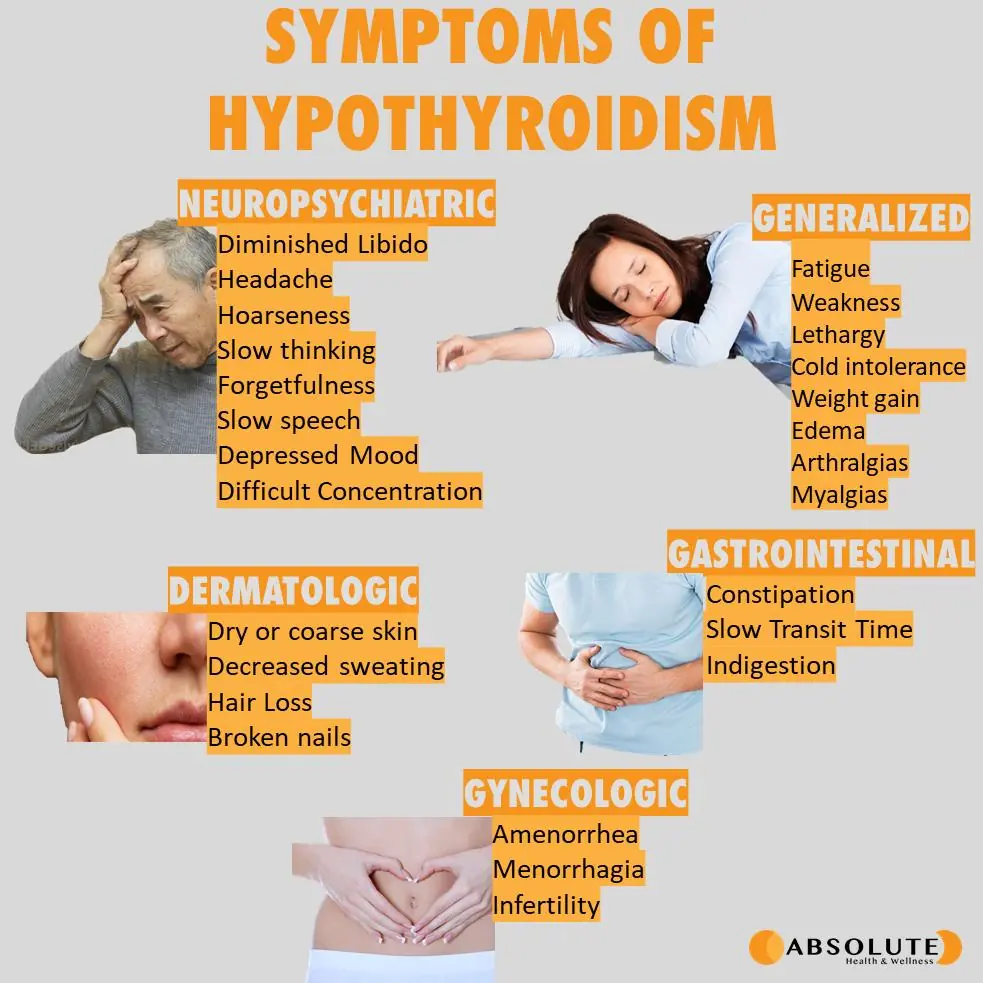
An underactive thyroid (hypothyroidism) can slow down your metabolism and affect nail growth. This may result in:
- Brittle nails
- Slow nail growth
- Frequent splitting
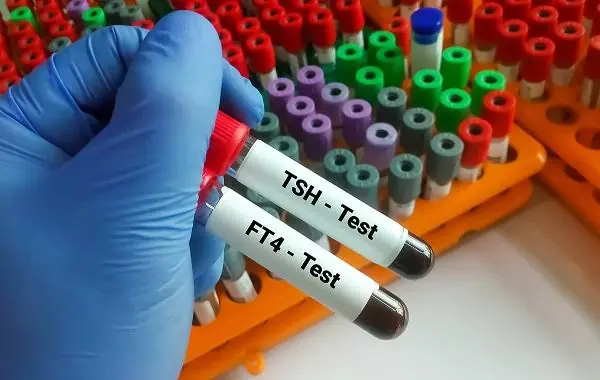
If nail issues are combined with fatigue, weight changes, or hair thinning, it may be worth checking your thyroid function.
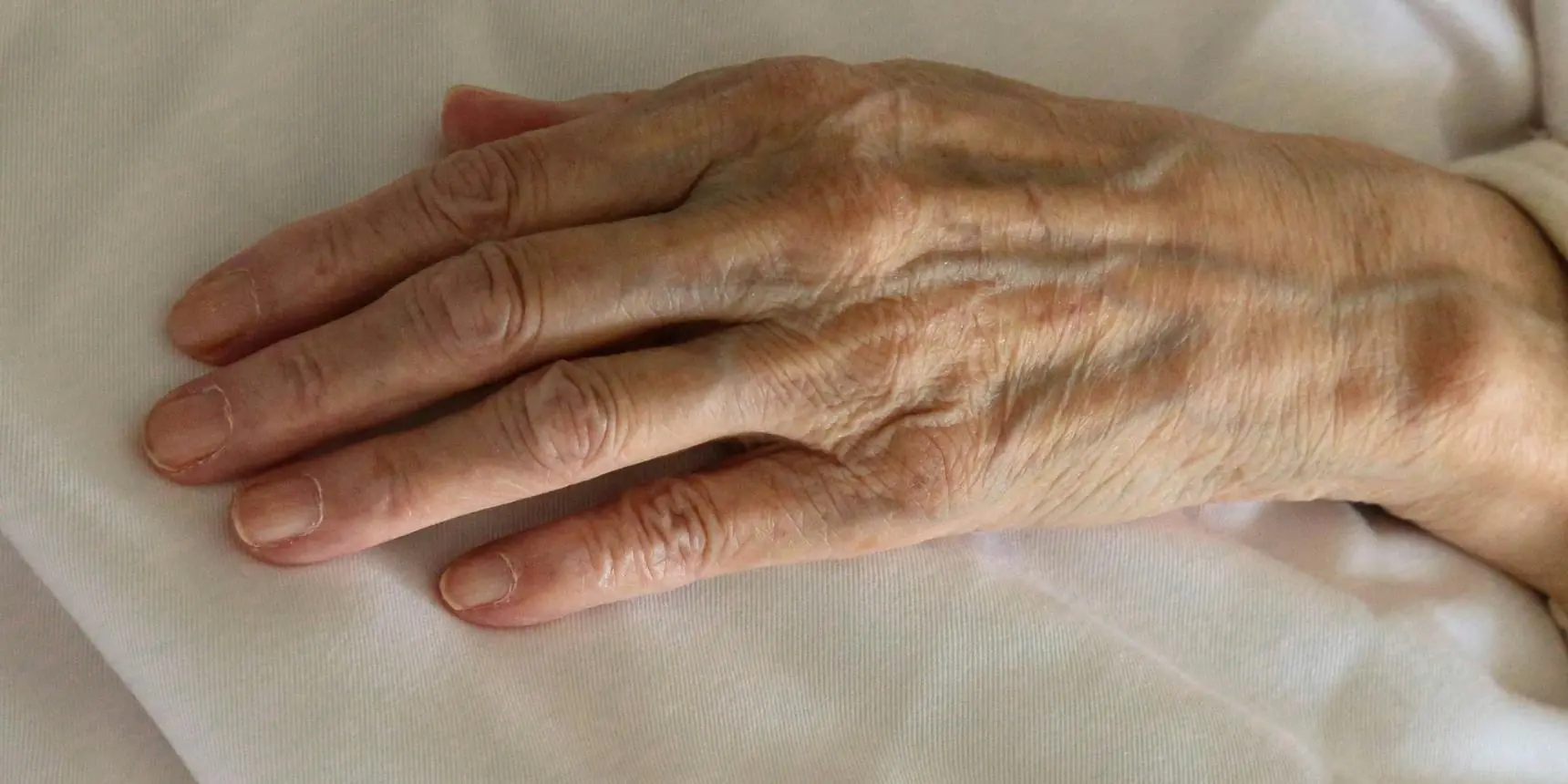
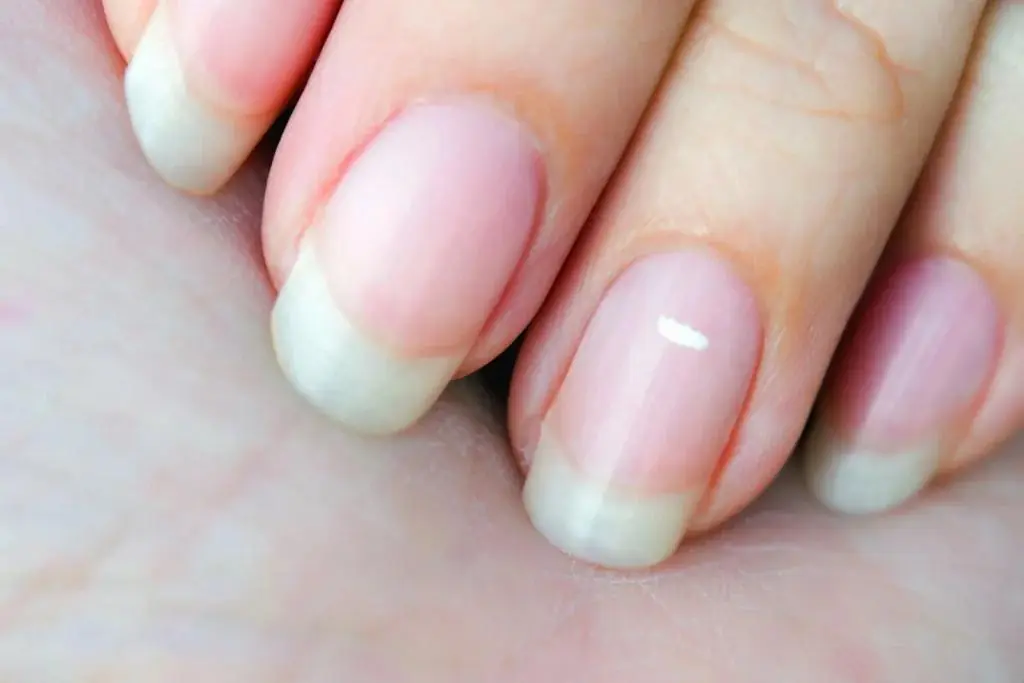
4. Aging and Natural Wear
7
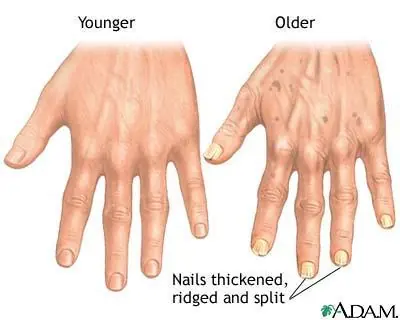
As you age, your body naturally produces less oil and keratin—the protein that makes up your nails.
This can lead to:
- Thinner nails
- Increased fragility
- More frequent splitting
While this is a normal part of aging, proper care can still improve nail strength.
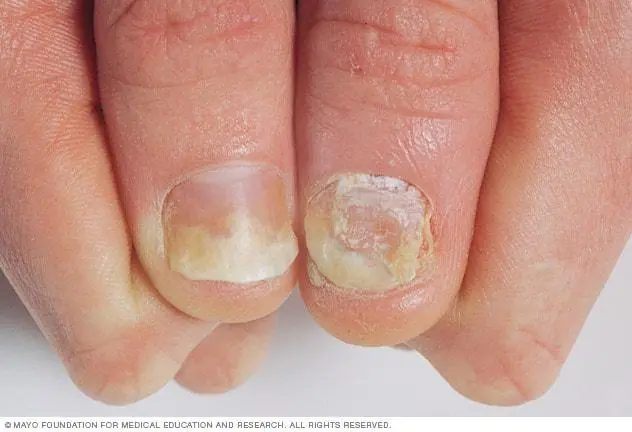
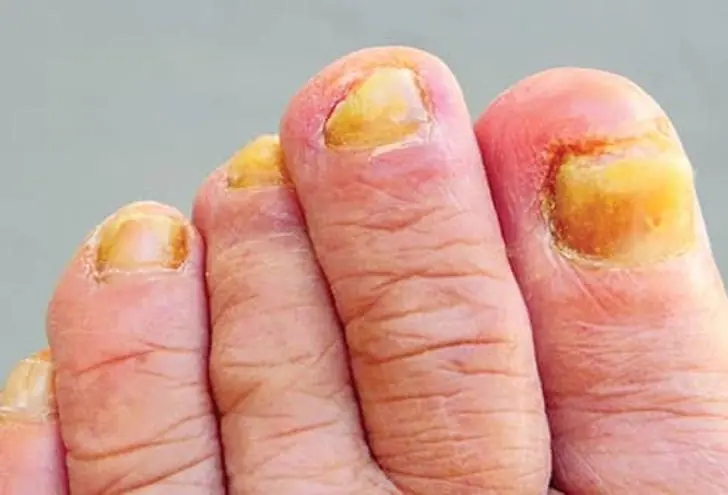
5. Underlying Health Conditions
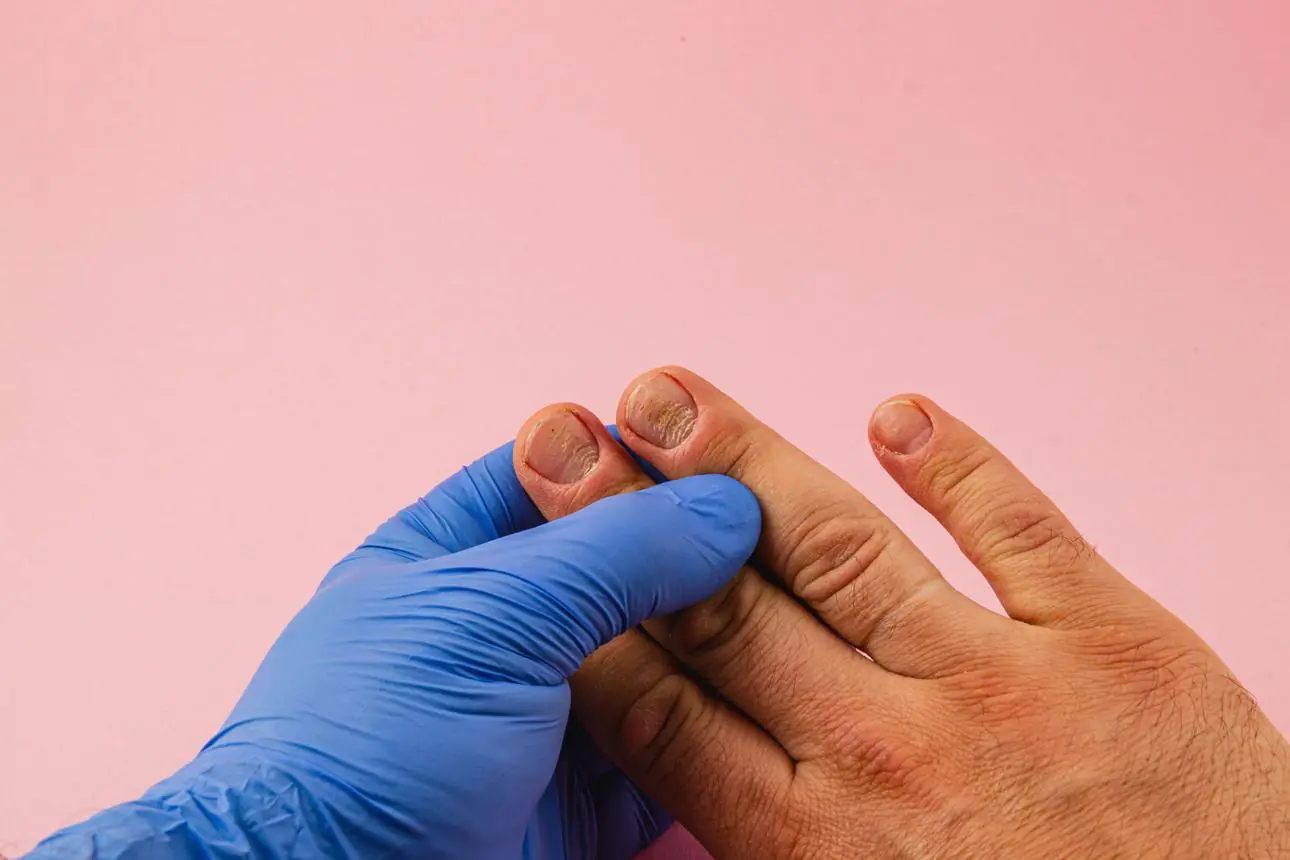
6
In some cases, nail splitting may be linked to medical conditions such as:
- Fungal infections
- Psoriasis
- Eczema
These conditions affect the nail structure and can cause visible damage over time.
How to Strengthen Your Nails
Taking care of your nails doesn’t require complicated routines—just consistency.
Simple tips:
- Keep nails moisturized with hand creams or oils
- Avoid excessive exposure to water and harsh chemicals
- Wear gloves when cleaning
- Maintain a balanced diet rich in vitamins and minerals
- Stay hydrated
When Should You Be Concerned?
You should consider seeking medical advice if:
- Nail splitting persists despite proper care
- Nails change color, shape, or thickness
- You experience other symptoms like fatigue or hair loss
Final Thoughts
Your nails are like a subtle health dashboard—quietly reflecting what’s happening inside your body.
Frequent nail splitting isn’t just about appearance. It can be a small but important signal that something needs attention, whether it’s your diet, your habits, or your overall health.
6. Repeated Trauma and Everyday Habits
One cause of frequent nail splitting that is often overlooked is repeated physical stress.
Your nails may appear strong, but they are exposed to small amounts of pressure and friction throughout the day. Opening packages, typing, washing dishes, handling tools, and using your fingertips to lift objects can gradually weaken the nail plate.
Over time, these repeated movements may cause tiny cracks that eventually develop into visible splits.
Certain habits can make the problem worse, including:
-
Biting or picking at your nails
-
Peeling away layers of damaged nails
-
Using your nails as tools
-
Cutting them too short
-
Filing aggressively in different directions
-
Removing nail polish by scraping or picking
The damage may not be obvious immediately. Sometimes, the nail becomes progressively weaker until a small everyday movement causes it to crack.
If you frequently experience splitting in the same nail, consider whether that finger is exposed to repeated pressure or friction. Protecting it from unnecessary stress may help prevent further damage.
7. Frequent Manicures and Nail Products
Beauty treatments can also contribute to brittle, splitting nails.
Gel manicures, acrylic extensions, artificial nails, and repeated polish removal may weaken the natural nail, especially when products are applied or removed incorrectly.
For example, scraping or peeling off gel polish can remove layers of the nail surface. Excessive buffing can also make the nail plate thinner, leaving it more vulnerable to cracking.
Some nail polish removers contain acetone, which can contribute to dryness. Frequent exposure, combined with filing and other treatments, may increase nail fragility.