What Happens 15 Minutes Before a Stroke? Warning Signs You Should Never Ignore
A stroke rarely happens without warning.
In many cases, the body sends subtle signals minutes—or even hours—before a serious event occurs. According to health experts, recognizing these early signs can make a critical difference in preventing long-term damage.
Some of the most important warning signs may appear just 10–15 minutes before a stroke.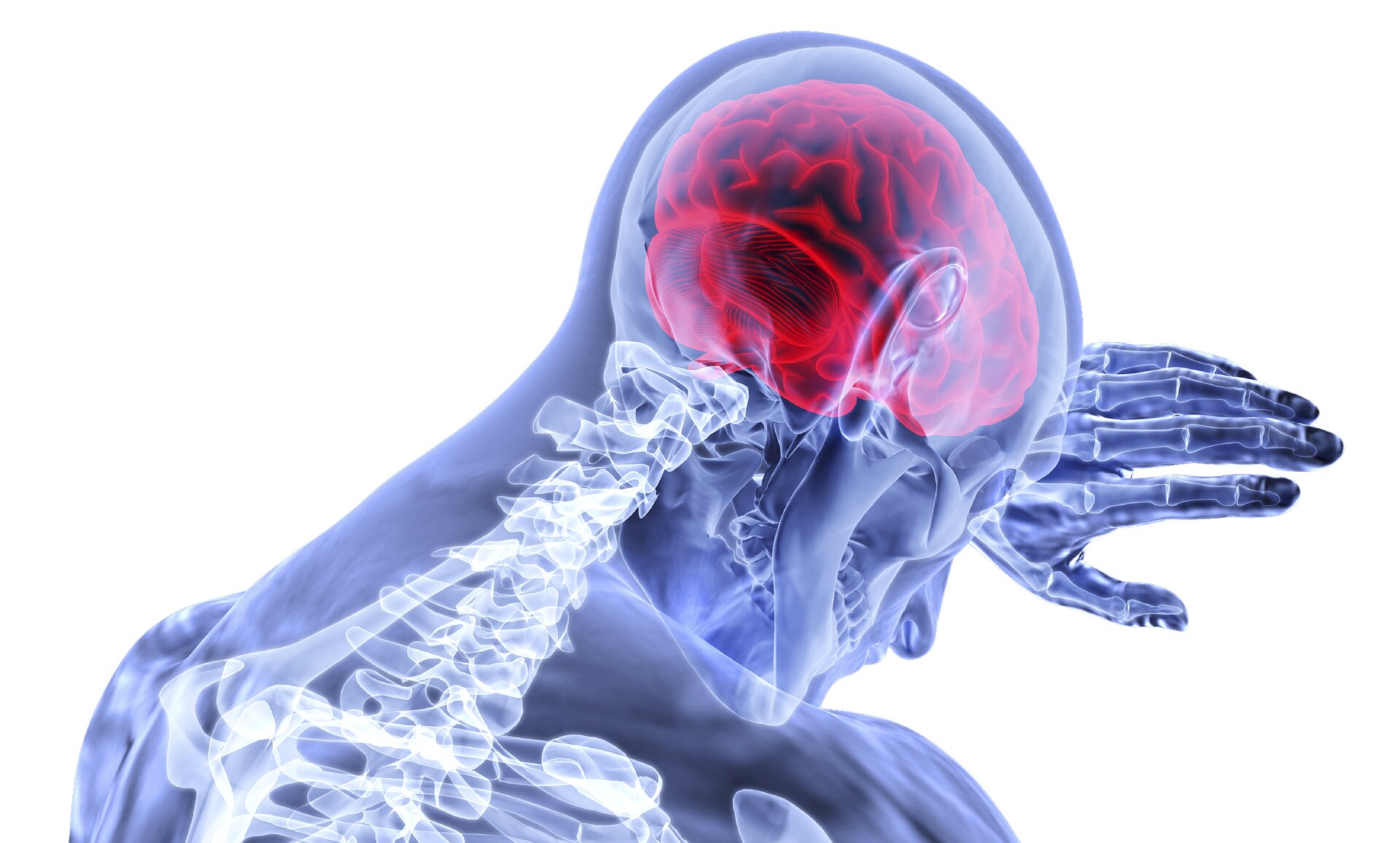
Sudden Weakness or Numbness
One of the most common early signs is sudden weakness, especially on one side of the body.
You may notice:
- A drooping face
- Difficulty lifting one arm
- Numbness in the face, arm, or leg
These symptoms often appear suddenly and should never be ignored.
Difficulty Speaking or Understanding
Speech problems are another key warning sign.
A person may:
- Slur their words
- Struggle to form sentences
- Have trouble understanding simple phrases
Even brief confusion or unusual speech changes can signal a serious issue.
Sudden Vision Problems
Some people experience:
- Blurred vision
- Loss of vision in one or both eyes
- Double vision
These changes can happen quickly and may disappear just as suddenly—but they still require immediate attention.
Severe Headache Without Cause
A sudden, intense headache—especially if it feels different from usual—can be a warning sign.
It may come with:
- Dizziness
- Nausea
- Sensitivity to light
Loss of Balance or Coordination
You might feel:
- Dizzy or unsteady
- Unable to walk properly
- A sudden loss of coordination
These symptoms can appear without warning and worsen quickly.
Why Acting Fast Matters
Doctors emphasize that stroke is a medical emergency.
When blood flow to the brain is blocked, brain cells begin to suffer damage within minutes. The sooner treatment is received, the higher the chance of recovery.
Even if symptoms disappear quickly, they should still be taken seriously—because they may be a warning of a more severe stroke to come.
What You Should Do Immediately
If you or someone nearby shows these signs:
- Seek medical help immediately
- Do not wait for symptoms to pass
- Stay calm and act quickly
Time plays a crucial role in protecting brain function.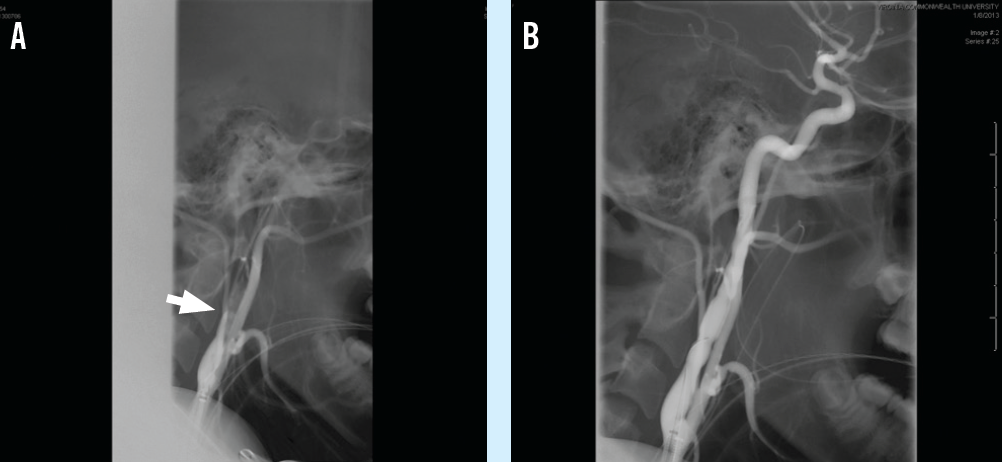
The Bottom Line
Your body often gives you a chance to act before something serious happens.
Recognizing these warning signs—even just minutes before—could save a life.