Chapter 1: What Really Happens When You Sleep Close to Someone With Head Lice?
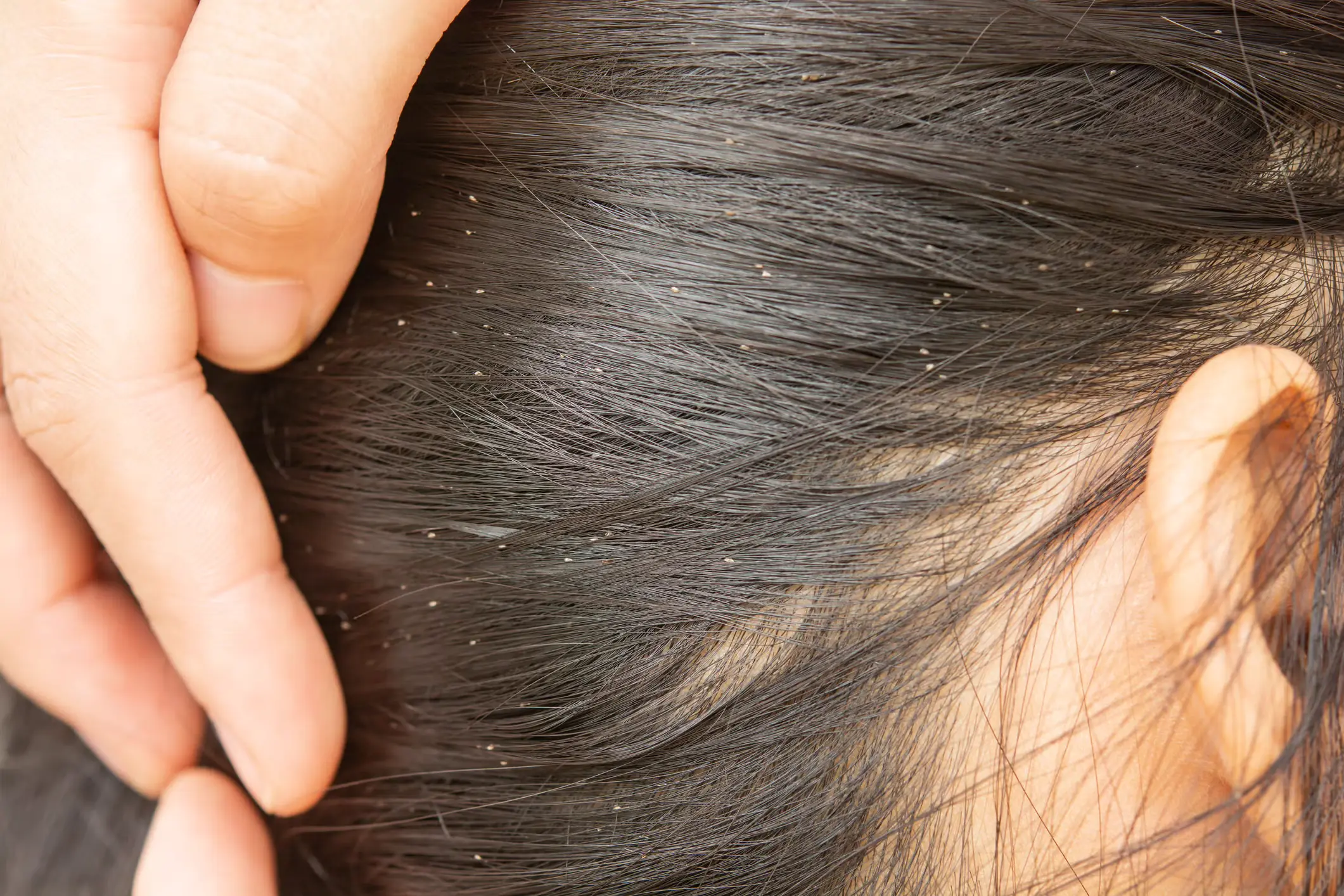
Imagine sharing a bed with a partner, staying overnight at a relative's home, or sleeping beside a child who has recently developed an itchy scalp. The next morning, you notice that your own head feels unusually itchy.
Could tiny parasites have moved from one person's hair to another during the night?
The answer is yes, although the process is not quite as dramatic as many people imagine.
Head lice are small, wingless insects that live close to the human scalp. They cannot fly or jump. Instead, they crawl from one hair strand to another when two people's heads come into close contact.
This is why sleeping close to someone who has an active infestation can create an opportunity for transmission.
However, simply sharing a room does not mean that everyone will become infested.
How head lice move between people
Head lice have specially adapted legs that allow them to grip human hair.
They spend most of their lives on the scalp, where they find warmth, shelter, and access to small amounts of blood.
When two heads touch, a louse may crawl from one person's hair onto the other person's hair.
This can happen during several everyday activities:
-
Sleeping with heads close together.
-
Hugging for an extended period.
-
Children playing with their heads touching.
-
Taking photographs with heads pressed together.
-
Sharing close physical space during activities.
The most important factor is direct hair-to-hair contact.
According to the US Centers for Disease Control and Prevention (), head lice spread primarily through direct contact with the hair of an infested person.
ACOG+1
Can lice spread during a night of sleeping together?
Yes. If two people sleep with their heads touching, a louse may crawl between them.
The likelihood depends on the amount and duration of direct contact.
However, it is important to understand that lice do not automatically transfer whenever two people share a bed.
They must physically crawl from one person's hair to another.
Head lice are not capable of jumping across a pillow or flying through the air.
This distinction helps explain why direct head-to-head contact is considered much more important than simply sharing a bedroom.
What happens after a louse reaches a new scalp?
Once a louse reaches another person's hair, it attempts to remain close to the scalp.
The scalp provides a suitable temperature and a regular food source.
An adult female louse can lay eggs, commonly called nits, which she attaches firmly to individual hair strands.
The eggs are usually found close to the scalp, particularly around the ears and the back of the neck.
After approximately seven to ten days, the eggs hatch.
The young lice, known as nymphs, begin feeding and gradually develop into adults.
The complete life cycle generally takes around three weeks, although the exact timing varies with environmental conditions.
ACOG+1
This explains why someone may not immediately notice an infestation after exposure.
Why some people do not feel itchy immediately
One surprising fact about head lice is that itching is not always the first symptom.
The itching is caused by a reaction to substances introduced into the skin when lice feed.
For someone experiencing head lice for the first time, it may take several weeks before noticeable itching develops.
People who have had lice previously may recognize the irritation sooner because their immune system has already encountered the parasite.
Consequently, the absence of itching does not completely rule out an infestation.
Someone can have live lice without experiencing significant discomfort.
Are head lice dangerous?
In most cases, head lice do not cause serious illness.
They do not transmit the common infectious diseases associated with mosquitoes or ticks.
Nevertheless, repeated scratching can damage the skin and create small openings.
These irritated areas may occasionally develop secondary bacterial infections.
Possible signs include:
-
Increasing redness.
-
Painful or swollen skin.
-
Crusting or oozing.
-
Tender areas behind the ears.
-
Swollen lymph nodes in some cases.
If these symptoms appear, medical advice is recommended.
The important message is that head lice are common, treatable parasites. An infestation should be addressed calmly rather than treated as a medical emergency in every situation.
Chapter 2: The Warning Signs That May Reveal a Head Lice Infestation
One of the biggest challenges with head lice is that they are extremely small and can be difficult to notice, especially during the early stages of an infestation.
A person may continue with their normal routine for days before realizing that something is living in their hair.
Although itching is the best-known symptom, it is not the only sign.
1. Persistent itching around the scalp
The most recognizable symptom is itching.
Head lice feed on small amounts of blood by biting the scalp. Their saliva can trigger an allergic reaction in the skin, producing an irritating sensation.
The itching may become particularly noticeable around:
-
The back of the neck.
-
The area behind the ears.
-
The sides of the head.
-
The hairline.
Some people experience mild irritation, while others develop intense itching that makes it difficult to sleep.
However, itching alone does not prove that someone has lice.
Dry skin, dandruff, eczema, and allergic reactions to hair products can produce similar symptoms.
2. A crawling or tickling sensation
Some people describe the feeling as though something is moving through their hair.
This sensation may occur when lice crawl close to the scalp.
It is not always noticeable, however, and many people with an infestation never experience it.
3. Small red marks caused by scratching
Repeated scratching can irritate the skin.
Small red marks may appear around the hairline, behind the ears, and along the back of the neck.
In more persistent cases, scratching can create small wounds.
If bacteria enter damaged skin, a secondary infection may develop.
Signs that require medical attention include increasing redness, swelling, tenderness, pus, or painful crusting.
4. Difficulty sleeping because of irritation
Some people notice that scalp itching becomes particularly troublesome at night.
This can interfere with sleep and make them feel tired or uncomfortable during the day.