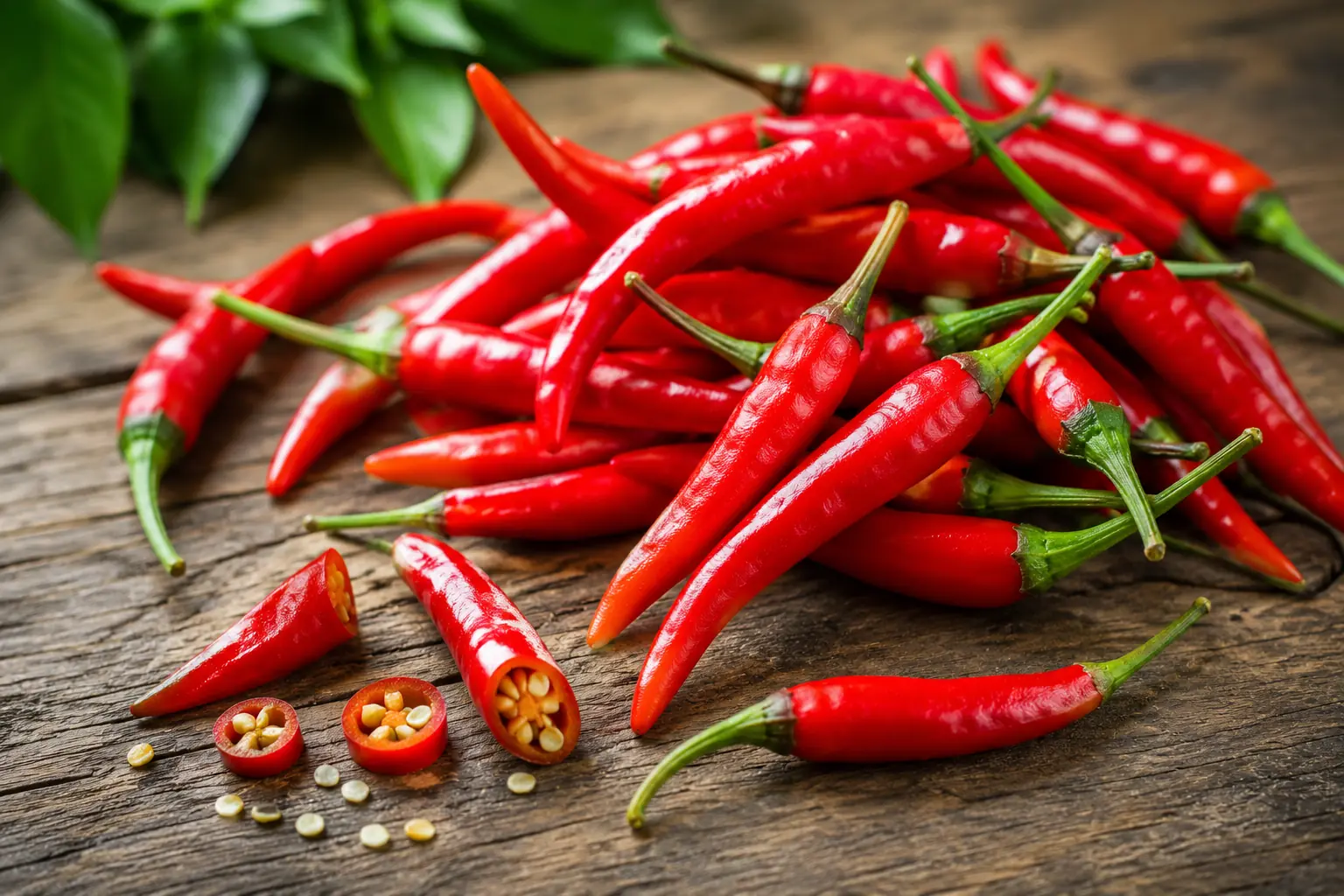
Most spicy foods, such as chili peppers, red peppers, and jalapeños, contain capsaicin. Capsaicin is a potent compound that can relax and dilate blood vessels, allowing blood to flow more easily and naturally, and lowering blood pressure.
Other spices, like black pepper or ginger, do not contain capsaicin. Still, they trigger (to a lesser degree) the same receptor—TRPV1 (transient receptor potential vanilloid 1)—as capsaicin, so they can also help relax blood vessels.
2. Spicy Foods May Reduce Salt Cravings
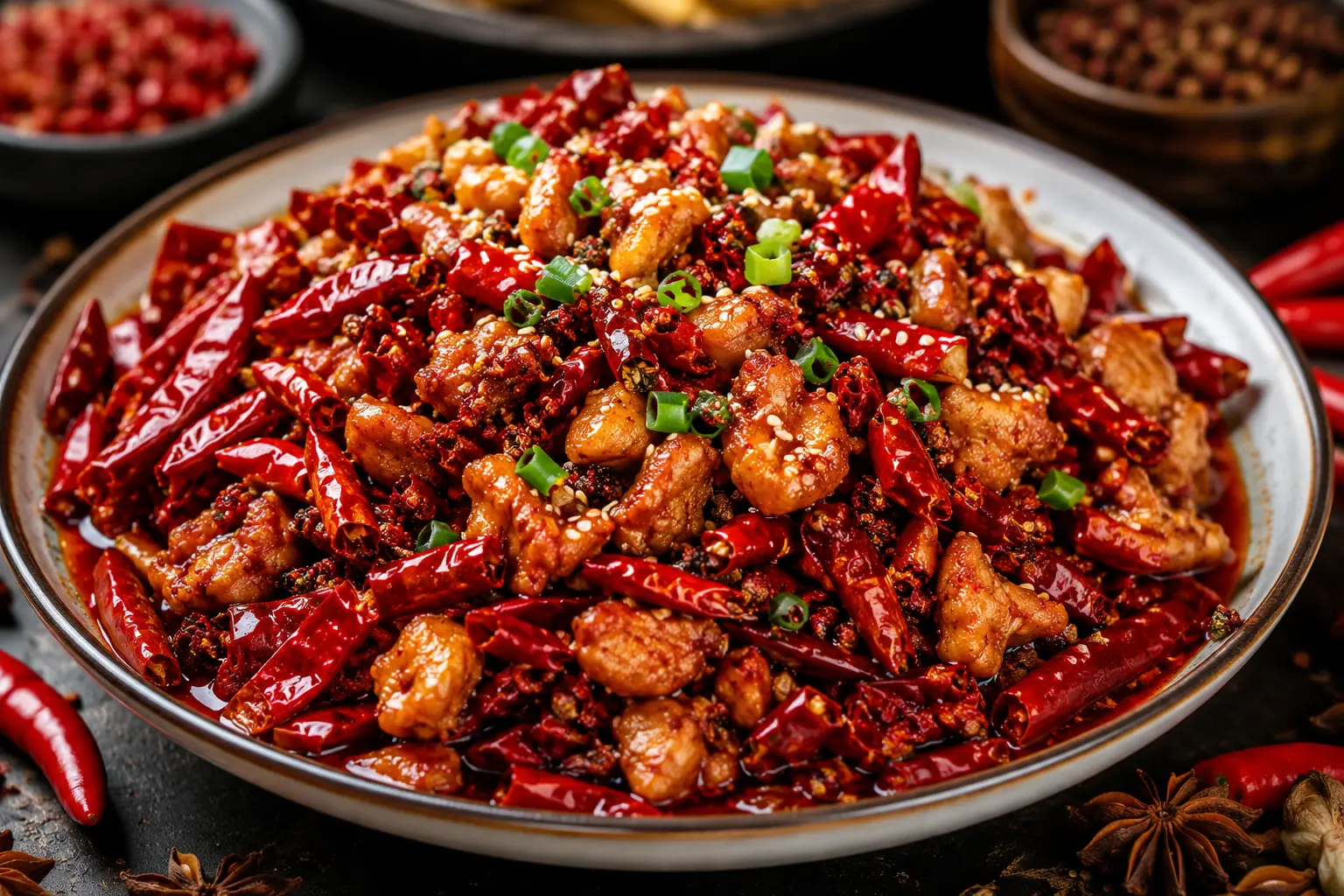
High salt intake is a major risk factor for high blood pressure. A pivotal study published by the American Heart Association (AHA) found that individuals who enjoyed and preferred eating spicy foods naturally ate less salty food and had lower blood pressure than individuals who disliked spicy foods.
Interestingly, in the above study, investigators found that capsaicin increased metabolic activity in the same brain regions as those triggered by consuming salty foods. This finding suggests that spicy foods could help curb salt cravings by essentially "tricking the brain," thereby reducing blood pressure.
3. Scientific Study Results are Mixed
The effect of eating spicy foods every day on blood pressure remains inconclusive, as results from human studies are mixed. Below are summaries from three research studies that have evaluated the potential link between spicy food intake and blood pressure:
Study: Four Weeks on Spicy Diet
In a 2021 randomized controlled trial, 71 participants completed three four-week diets in random order: low-spice, medium-spice, and high-spice.
There was a washout period of at least a week in between the diets to prevent any carryover effects, and the participants were randomly assigned to the order of their diets.
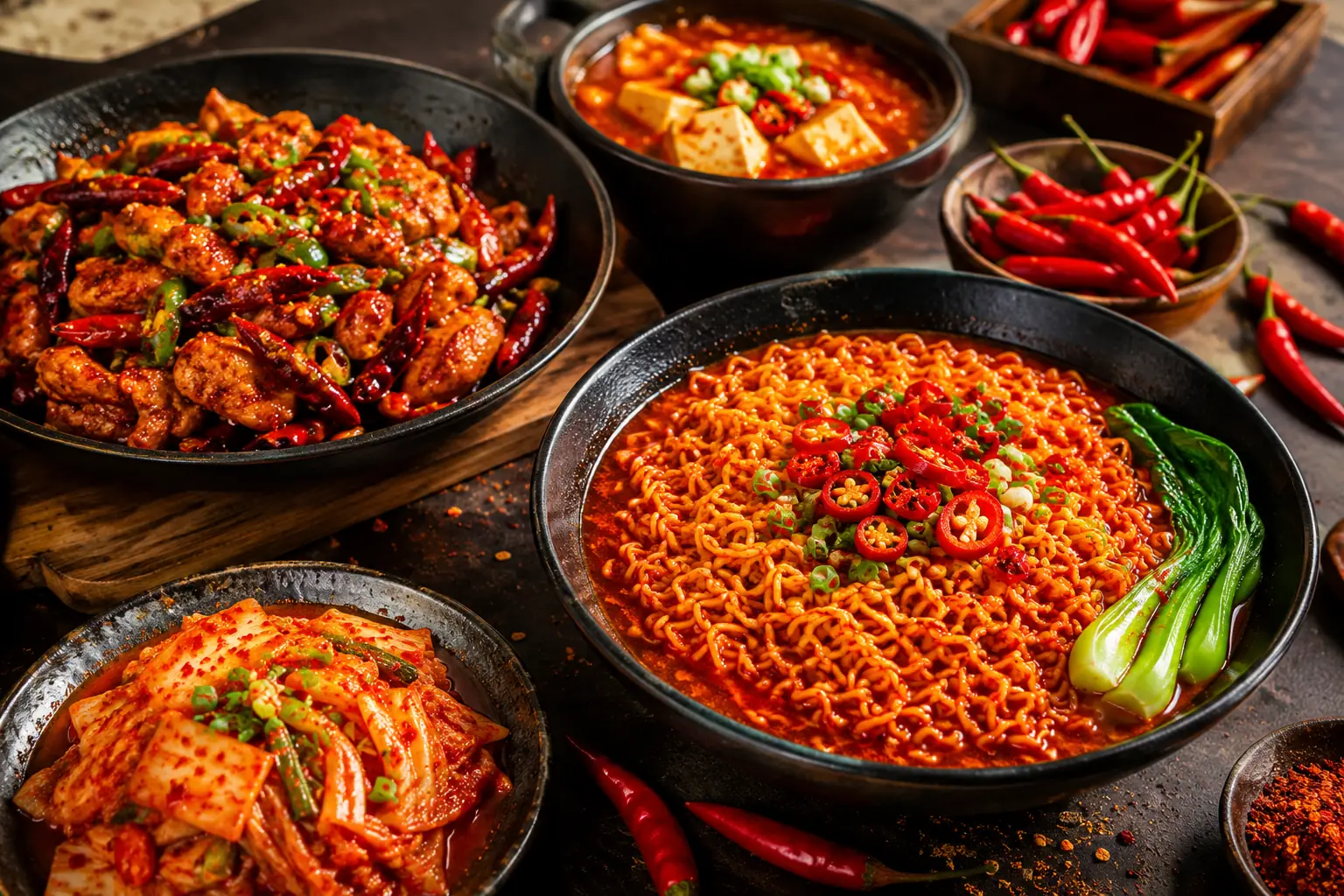
The food was prepared in a controlled setting (the kitchens at Pennsylvania State University). It consisted of standard American foods with an added blend of low-, medium-, and high-dose versions of various herbs and spices, including cilantro, ginger, black pepper, chili powder, and red pepper.
Results revealed that those consuming the high-spice diet had significantly lower 24-hour systolic and diastolic blood pressures compared to those consuming the low-spice diet.
 Study: Umbrella Review
A 2021 umbrella study pooled and analyzed data from 11 systematic reviews and meta-analyses.6 An umbrella study is essentially a review of prior reviews, with the main goal of offering a "big picture" conclusion.
The systematic reviews and meta-analyses examined various health effects, including blood pressure, of consuming spicy foods and chili peppers, among the most commonly used condiments globally.
Final results of this umbrella study revealed no significant effect of spicy food consumption on systolic or diastolic blood pressure.
Study: Review of Chinese Observational Studies
A 2023 meta-analysis combined data from nine observational studies involving nearly 190,000 Chinese participants.
In females, results revealed that high spicy food consumption was linked to a 15% reduced risk of hypertension. No significant association was found between high consumption of spicy foods and hypertension in males.
The gender differences found in the above study are interesting and have been found in other similar studies.1011 It's possible, though still speculative, that sex hormones like estrogen (typically higher in adult females than in adult males) may interact with the active components of spicy foods, such as capsaicin, to help lower blood pressure.
Two 2026 Review Studies of Randomized Controlled Trials
In 2026, two systematic reviews and meta-analyses of randomized controlled trials (RCT) of capsaicin or related compound supplementation were published:
A review of 13 RCTs found modest benefits in reducing diastolic blood pressure and total cholesterol.12 However, if one study was removed, the results were not significant. The certainty of evidence was graded as low to very low.
A review of 14 RCTs found a small reduction in diastolic blood pressure in trials lasting at least 12 weeks.13 However, the authors thought the effects on blood pressure were small and may not be clinically relevant.
Future Steps
The mixed results likely stem from multiple factors, a major one being study design.6 When trying to determine whether an intervention—eating spicy food in this case—affects lower blood pressure, it's essential to understand that differences in study design can easily skew the data:
Individuals from different countries or those from distinct cultural backgrounds have unique lifestyle habits (e.g., higher or lower levels of physical activity). If one population is being observed compared with another and factors like the level of physical activity are not controlled for, the results can be difficult to interpret or trust.
Study size and type (e.g., observational versus randomized controlled trials) are two other major factors that can strongly influence study results.614
In order to fully grasp the impact of regular spicy food intake on blood pressure, larger and higher-quality studies are needed, specifically randomized controlled trials.
4. Take Precautions Before Making Large Changes in Diet
If you have hypertension, it's reasonable to consider eating foods with a little more spice or replacing salt with spices when cooking.15 However, this should be only one part of managing hypertension.
Speak with a provider before embarking on a full dietary change, especially since spicy foods might trigger or worsen underlying heartburn16 or lead to unpleasant reactions such as leg cramps, bowel irregularities, skin rashes, or a burning sensation in the mouth.