Guava trees are valued not only for their delicious fruit but also as a natural source of health-supporting compounds. Nearly every part of the plant—from the leaves and young shoots to the bark and roots—has been used in traditional medicine.
According to Dr. Huỳnh Tấn Vũ, a specialist at the University Medical Center in Ho Chi Minh City, guava (Psidium guajava L.) belongs to the myrtle family (Myrtaceae). It is a small tree that typically grows 3–5 meters tall, with oval-shaped leaves, white flowers, and fruits that vary in shape depending on the variety.
For generations, guava leaves have been used in traditional remedies to support digestion, relieve stomach discomfort, treat diarrhea, and help disinfect minor wounds. Modern research has also identified numerous beneficial compounds in these leaves.
Dr. Vũ explains that guava leaves are rich in vitamin C, antioxidants, flavonoids, polyphenols, and other beneficial micronutrients. One of the most notable compounds is quercetin, a flavonoid known for its antibacterial properties and potential ability to help reduce intestinal spasms.
Guava leaves also contain gallic acid, ferulic acid, caffeic acid, and various polysaccharides that provide antioxidant effects and may help regulate blood sugar metabolism.
If consumed in moderation over several weeks, guava leaf tea may contribute to the following positive changes: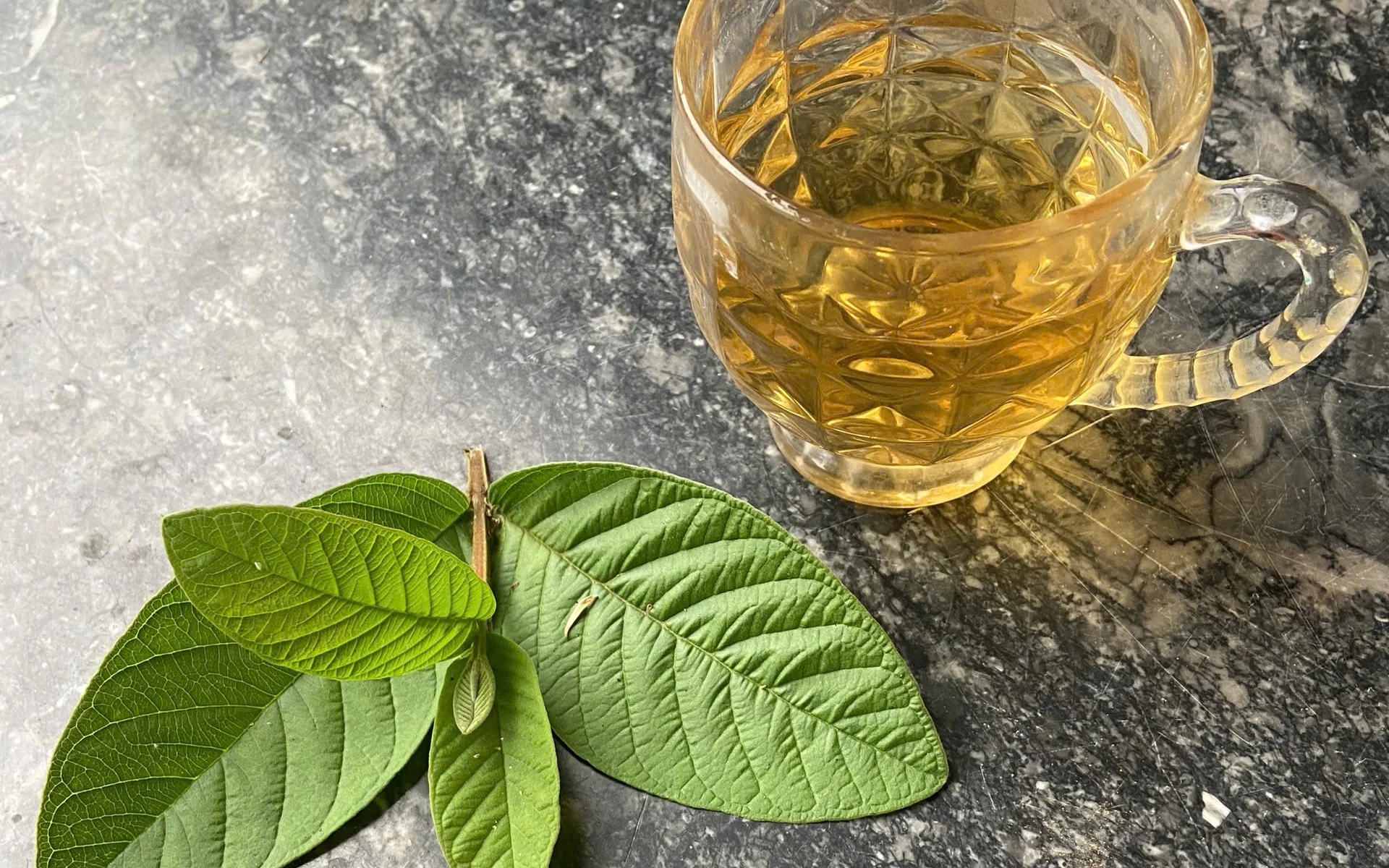
Improved Digestive Health
This is perhaps the best-known benefit of guava leaves.
The tannins and flavonoids found in guava leaves may help strengthen the intestinal lining, reduce excessive fluid secretion, and support digestive tract health through their antimicrobial properties.
Many people report experiencing:
- Less bloating
- Reduced diarrhea
- Fewer digestive disturbances
- Better overall digestive comfort
Traditionally, guava leaves have also been used to relieve stomach discomfort caused by contaminated food.
However, because guava leaves contain significant amounts of tannins, excessive consumption may cause constipation or stomach discomfort in some individuals.
Better Blood Sugar and Cholesterol Control
According to Dr. Vũ, some studies suggest that guava leaf extract may help slow the digestion of carbohydrates and the absorption of sugars, potentially supporting blood sugar management.
The antioxidants in guava leaves may also help:
- Lower LDL ("bad") cholesterol
- Reduce the risk of arterial plaque buildup
- Support cardiovascular health
For this reason, many people include guava leaf tea as part of a healthy lifestyle.
However, guava leaves should not be considered a substitute for medications used to treat diabetes or heart disease. Individuals taking medication should consult a healthcare professional before using guava leaf tea regularly, as it could potentially affect blood sugar levels.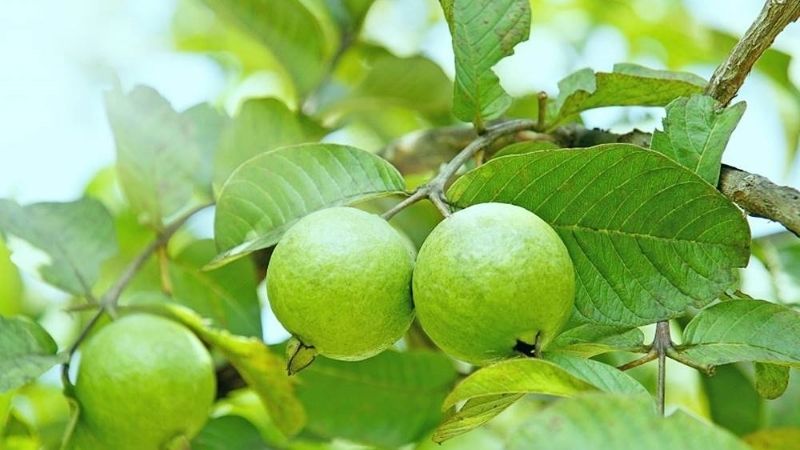
Support for Weight Management, Skin Health, and Hair Care
Guava leaves have gained popularity among people seeking natural weight-management support.
Certain compounds in the leaves may help reduce the conversion of carbohydrates into simple sugars, potentially limiting excess fat accumulation.
When combined with:
- A balanced diet
- Regular physical activity
- Healthy lifestyle habits
guava leaf tea may help people feel less bloated and experience fewer cravings for sweets.
That said, weight-loss results depend primarily on overall lifestyle rather than guava leaves alone.
Dr. Vũ notes that the leaves' antioxidant content may help combat free radicals, which are known contributors to skin aging.
Some people also use guava leaf water to:
- Wash their face
- Rinse their hair
with the hope of:
- Improving skin firmness
- Reducing acne
- Helping minimize hair loss
While guava leaves are not a miracle beauty treatment, they remain a popular natural ingredient in skincare and hair-care routines.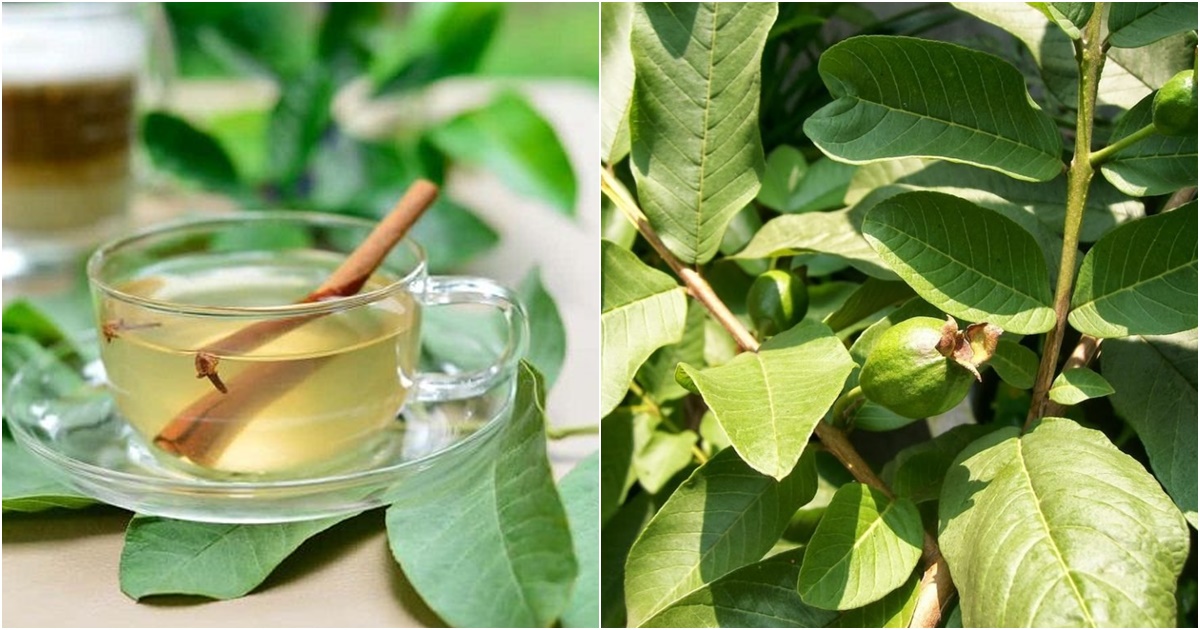
Relaxation, Immune Support, and Antibacterial Effects
Traditional medicine has long regarded guava leaves as having calming properties.
Some people report sleeping better after drinking warm guava leaf tea in the evening.
The vitamin C and antioxidant compounds found in the leaves may also help support the immune system and improve the body's ability to fight common infections and colds.
Guava leaves contain natural astringent and antibacterial compounds and have traditionally been used to help:
- Reduce gum inflammation
- Relieve mouth odor
- Ease minor oral discomfort
In folk medicine, freshly crushed guava leaves are sometimes applied to painful gums or teeth for temporary relief.
Traditional Medicine Perspective
According to traditional Eastern medicine, guava leaves have a bitter and astringent taste with neutral properties. They are believed to help:
- Clear heat from the body
- Eliminate toxins
- Strengthen digestive function
- Support the treatment of diarrhea
- Relieve abdominal pain
- Reduce gum inflammation
- Aid healing of minor skin wounds
Young guava leaves and shoots have also been traditionally used to support treatment of shingles.
Use Guava Leaves Wisely
Guava leaves are a familiar, inexpensive, and widely available natural remedy with many potential health benefits. However, they should be used appropriately and viewed as a supportive measure rather than a replacement for professional medical treatment.
Dr. Vũ recommends using guava leaf tea for two weeks, followed by a two-week break. This cycle may be repeated up to three courses, or discontinued once symptoms improve.
The key advice: avoid excessive or long-term overuse, and always consult a healthcare professional if you have underlying medical conditions or are taking prescription medications.