Protein is crucial for maintaining a healthy and well-functioning body. It plays a role in virtually every bodily process, from building and repairing tissues to fueling metabolism and regulating the body’s numerous biochemical reactions.
1. Improves Satiety and Appetite ControlCompared to carbohydrates and fats, protein is more satiating, meaning it can make you feel fuller for longer, which may help control appetite and promote weight loss. Research shows that people with higher-protein diets tend to consume fewer calories overall.
2. Helps the Body Build and Repair Tissue One of the primary roles of protein is to form and maintain the structural foundation of your body: muscles, bones, skin, hair, nails, and internal organs. Every cell in your body contains protein—it is essential for the structure and function of every part of the human body. The amino acids that make up protein are the raw materials for building and repairing body tissues.
 3. Regulates Metabolic Processes
 Enzymes are complex proteins that act as catalysts for chemical reactions in the body, supporting energy production, growth, nutrient digestion, muscle function, and blood clotting. They also play a role in the body’s detoxification process, helping lower your risk of some diseases and conditions (e.g., heart disease, Alzheimer’s disease).
4. Acts as a Chemical Messenger Hormones act as chemical messengers that travel in the bloodstream, regulating many body processes.7 Many hormones, called peptide hormones, are made up of proteins. Peptide hormones are critical in regulating growth, mood, and metabolism.
Examples of protein-based hormones include:
Insulin: Promotes the uptake of glucose into cells as an energy source.
Epinephrine (adrenaline): Helps maintain cardiovascular health and triggers the body’s fight-or-flight reactions.
Oxytocin: Known as the “love hormone,” oxytocin plays a role in human behaviors such as trust, romantic and familial attachments, and sexual arousal.
Thyroxine: A thyroid hormone that regulates the body’s heart, metabolic rate, digestive function, brain development, and more.
Human growth hormone: Promotes growth in children and maintains the body’s structure and metabolism in adults.
5. Supports the Immune System Many immune system components are protein-based, making protein vital for optimal immune function and protecting your health.
Cytokines, for example, are small proteins that control the growth and activity of other immune cells.14 Antibodies are proteins circulating through the bloodstream that identify and neutralize foreign substances, such as bacteria and viruses, that may threaten your health.
6. Maintains Fluid BalanceProteins help maintain and regulate the body’s fluid balance. Albumin is a protein that attracts and holds water within the bloodstream.16 It also helps regulate the movement of lymphatic fluid, helping prevent tissue edema (swelling) and ensuring proper fluid distribution throughout the body.
Protein Sources and How to Eat MoreAnimal-Based Proteins
Animal proteins, like those found in meat, poultry, fish, eggs, and dairy, are considered complete proteins. Animal protein foods contain all nine essential amino acids, which your body cannot produce on its own, and you must get them through the foods you eat.3
Animal-based protein foods include:
U.S. Department of Agriculture. Protein foods.
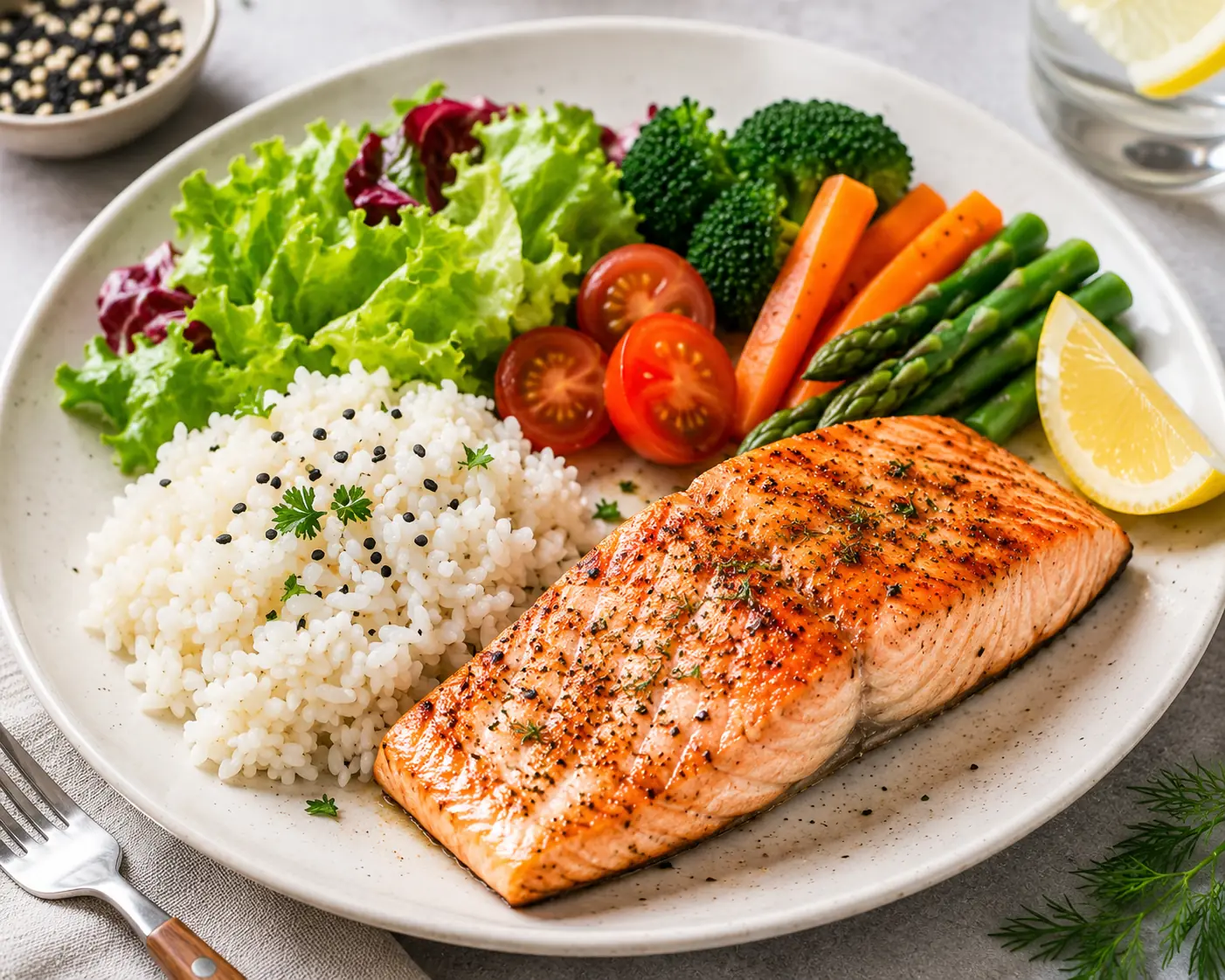
Meats: Beef, pork, goat, ham, lamb, or game meats (e.g., deer, bison)
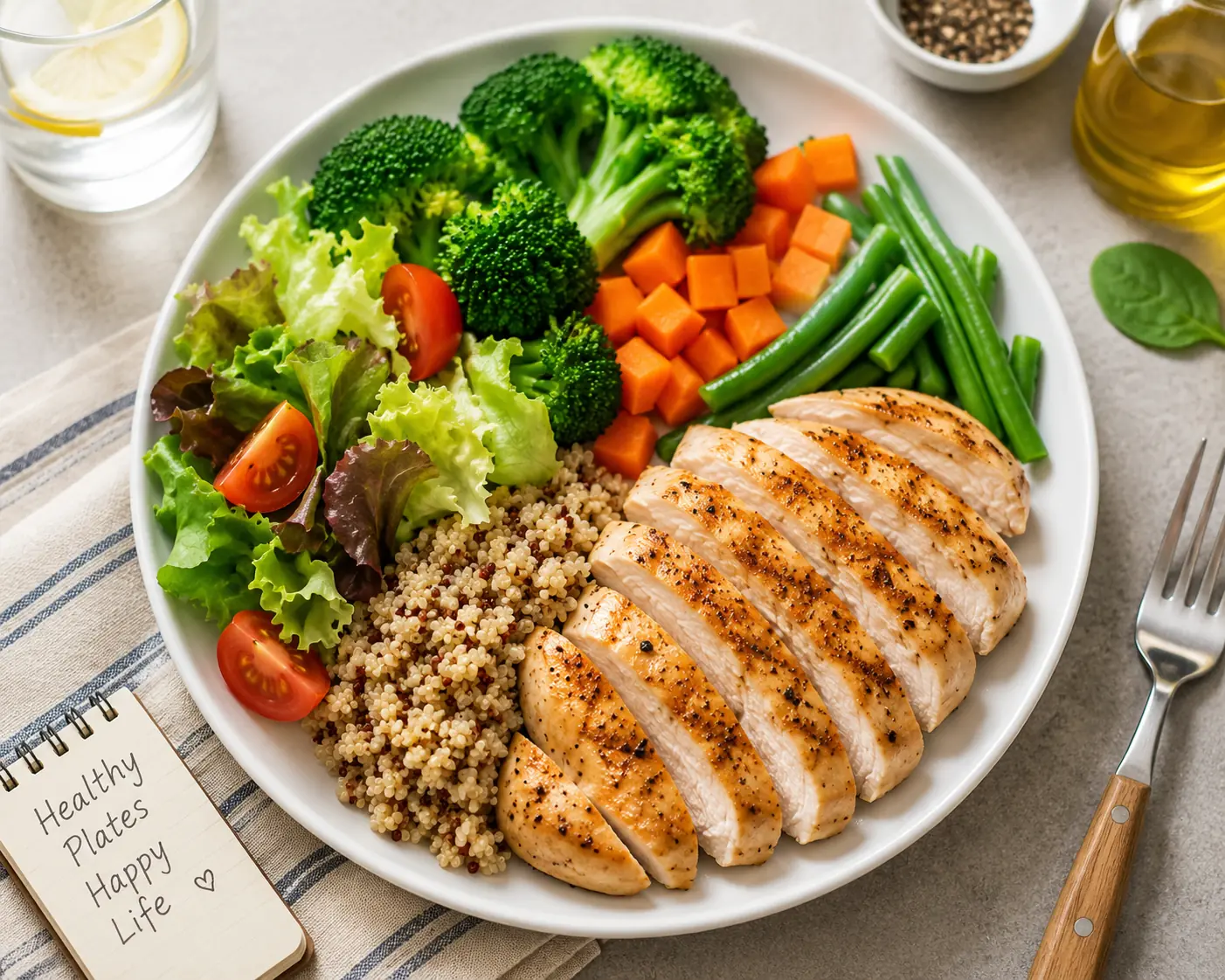
Poultry: Chicken, turkey, Cornish hen, duck, pheasant
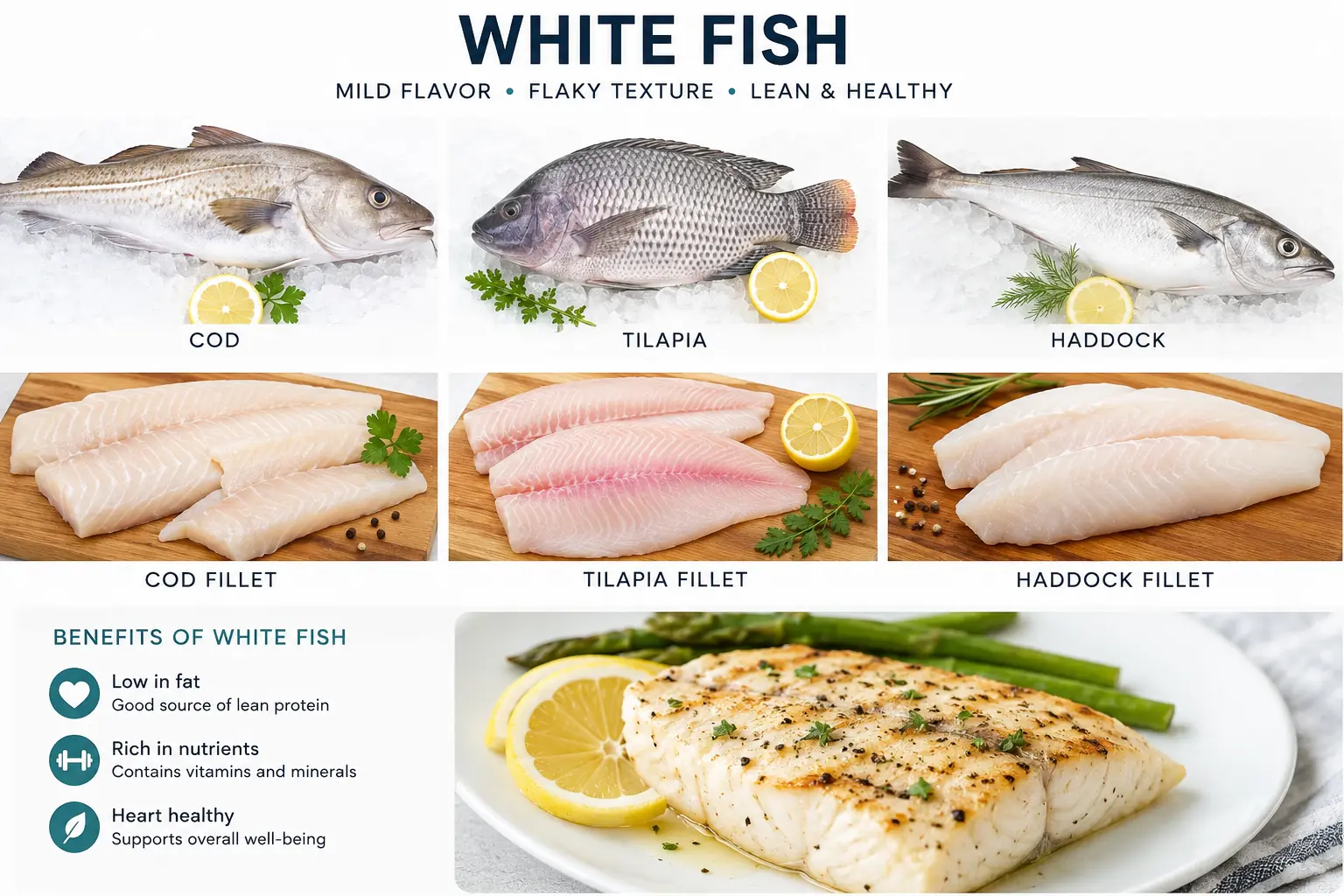
Seafood: Fish (e.g., tilapia, flounder, haddock, tuna, salmon) and shellfish (e.g., scallops, lobster, oysters, shrimp)
Dairy: Cow’s milk, cheese, yogurt
Eggs
Plant-Based Proteins
Plant-based proteins are incomplete proteins, meaning they lack one or more essential amino acids. By incorporating different plant protein sources into your meals, you can consume complementary proteins to ensure you consume all the essential amino acids.
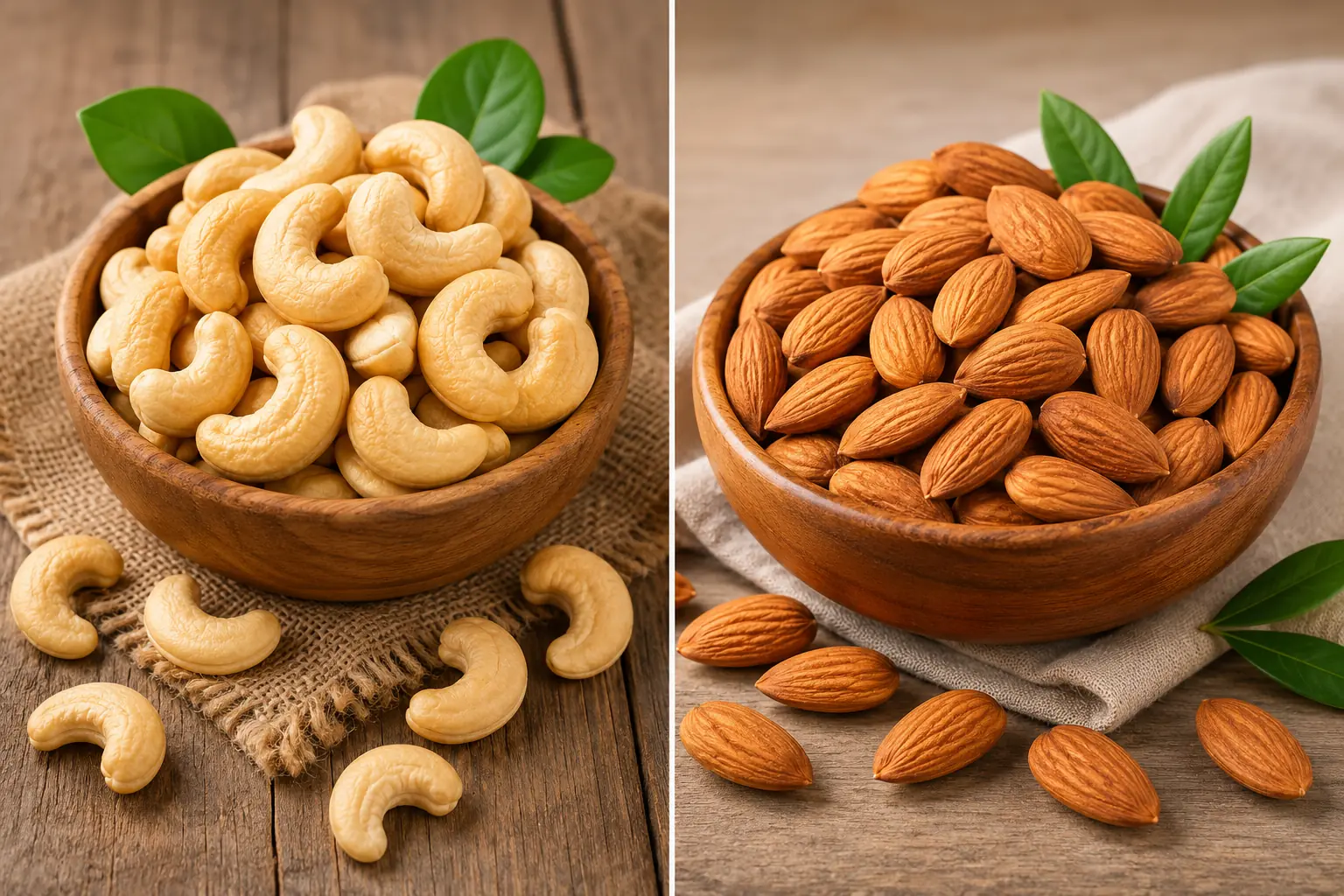
Plant-based protein foods include:Nuts and seeds: Almonds, walnuts, cashews, and pistachios; chia, pumpkin, sesame, and sunflower seeds
Soy products: Tofu, tempeh
Beans, peas, and lentils: Black, garbanzo, kidney, lima, pigeon, split, black-eyed peas, and lentils
Boost Your Protein Intake
Getting enough protein is vital for maintaining good health. Here are some tips to increase your protein intake
Start your day with protein: Eat a protein-rich breakfast with eggs, yogurt, or a protein smoothie.
Snack smart: Choose snack foods that are good sources of protein, such as a handful of nuts, seeds, or edamame.
Add protein to every meal: Include protein sources in salads, stir-fries, and soups.
Rotate: Mix your protein sources throughout the week to ensure you consume a full range of essential amino acids and satisfy your palate.