What Happens to Your Body When You Eat Peanuts? The Surprising Effects Explained
Peanuts are one of the most popular snacks worldwide. Affordable, convenient, and packed with nutrients, they are often considered a healthy addition to daily diets.
But what actually happens inside your body when you eat peanuts regularly? The answer may surprise you.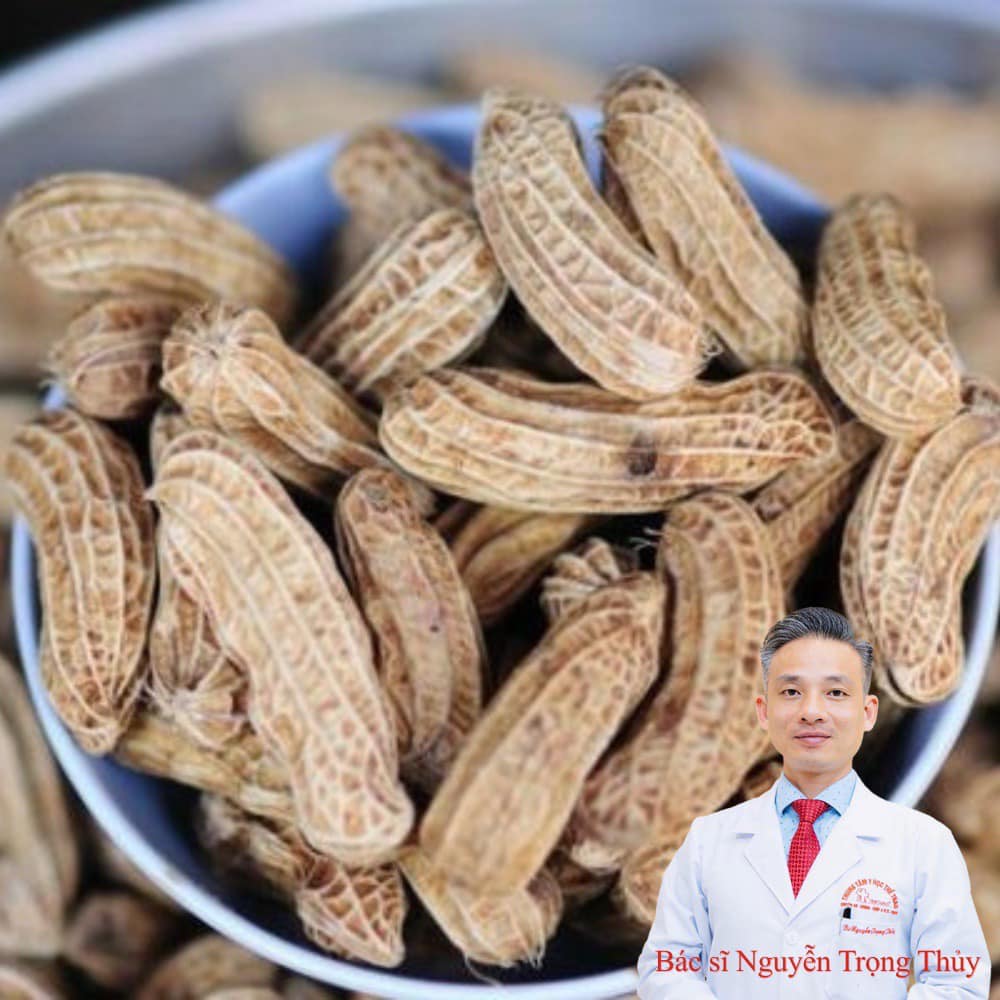
1. Your body gets a powerful nutrient boost
Peanuts are rich in protein, healthy fats, fiber, vitamins, and minerals.
They provide essential nutrients like magnesium, vitamin E, and B vitamins, all of which play a key role in energy production and overall health.
Because of this, eating peanuts can help support your body’s daily nutritional needs.
2. You may feel fuller and eat less
Despite being high in calories, peanuts can actually help control appetite.
Thanks to their combination of protein, fiber, and healthy fats, peanuts promote a feeling of fullness, which may reduce overall food intake and support weight management.
This is why peanuts are often recommended as a satisfying snack.
3. Your heart health may improve
Peanuts contain heart-friendly fats and antioxidants that can help reduce bad cholesterol levels.
Regular consumption has been linked to a lower risk of heart disease, thanks to nutrients like magnesium, niacin, and resveratrol.
4. Your body benefits from antioxidants
Peanuts are packed with antioxidants, which help fight free radicals and protect cells from damage.
These compounds may reduce the risk of chronic diseases and support long-term health.
5. They may support weight management
Although peanuts are high in fat, studies show they do not necessarily cause weight gain when eaten in moderation.
Instead, they may help maintain a healthy weight by increasing satiety and reducing overeating.
6. Your digestion may improve
Peanuts contain dietary fiber, which supports digestive health.
Fiber helps regulate bowel movements and supports beneficial gut bacteria, contributing to overall digestive balance.
7. They provide plant-based protein
Peanuts are an excellent source of plant protein, making them a great option for vegetarians or anyone looking to reduce meat intake.
Protein is essential for muscle repair, immune function, and overall body maintenance.
8. But there are some risks to watch out for
While peanuts offer many benefits, they are not suitable for everyone.
- Peanut allergies can be severe and even life-threatening
- Overeating may lead to excess calorie intake
- Poor storage may expose peanuts to harmful toxins like aflatoxins
Moderation and proper storage are key to enjoying peanuts safely.
The bottom line
Peanuts are a nutrient-dense food that can support heart health, digestion, and weight management when eaten in moderation.
However, like any food, balance is essential. Including peanuts as part of a healthy diet can bring benefits—but overconsumption may have the opposite effect.