Pumpkin is often associated with fall recipes, soups, pies, and festive decorations, but nutritionally, it has much more to offer than its bright orange color suggests.
This versatile winter squash is naturally rich in beta-carotene, fiber, potassium, vitamin C, and other plant compounds. When included as part of a balanced diet, pumpkin can provide several potential health benefits.
But eating pumpkin regularly doesn't automatically make a diet healthy, and more isn't always better. How you prepare it matters, too. A bowl of steamed pumpkin is very different nutritionally from a pumpkin pie loaded with sugar, butter, and refined flour.
So what actually happens to your body when pumpkin becomes a regular part of your meals?
Here are some of the potential effects worth knowing about.
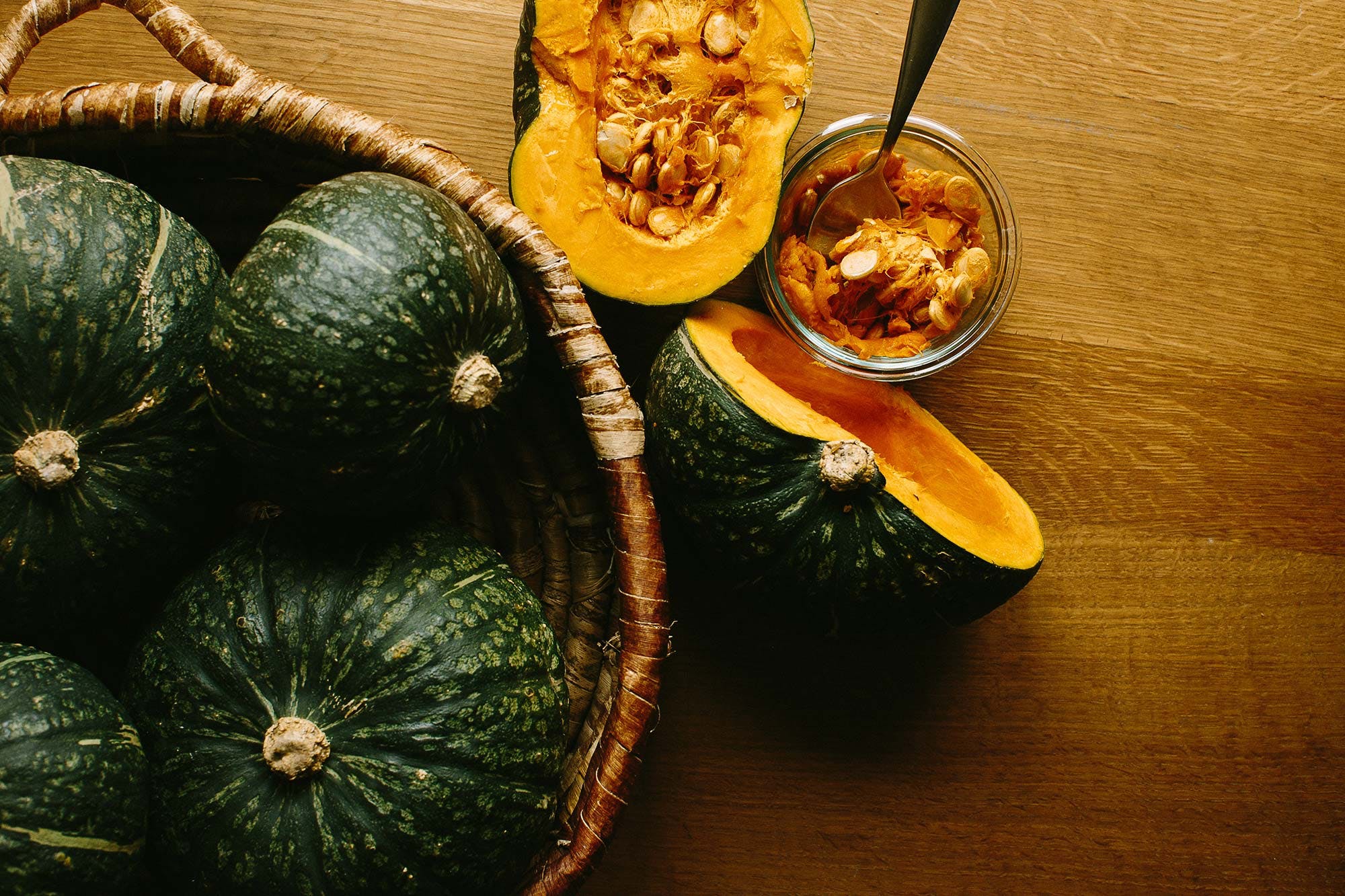
1. Your Body Gets More Beta-Carotene
One of pumpkin's most notable nutritional features is its orange color.
That color comes largely from carotenoids, including beta-carotene.
Beta-carotene is a plant pigment that the body can convert into vitamin A when needed. Vitamin A plays important roles in:
-
Normal vision
-
Immune function
-
Skin health
-
Maintenance of mucous membranes
-
Normal cell growth and development
The amount of beta-carotene you obtain can vary depending on the type of pumpkin, how ripe it is, and how it is prepared.
Regularly eating orange and yellow vegetables such as pumpkin, carrots, and sweet potatoes can therefore contribute to a diet rich in carotenoids.
However, you don't need enormous amounts to obtain nutritional benefits.
A varied diet containing different colorful vegetables is generally more useful than relying heavily on one food.
2. Your Eyes Get Nutrients That Support Normal Vision
Vitamin A is particularly important for vision.
The retina uses vitamin A-related compounds in processes involved in seeing, especially under low-light conditions.
Because pumpkin provides beta-carotene, eating it can contribute to adequate vitamin A intake.
However, there is an important distinction:
Eating pumpkin does not magically improve eyesight or reverse eye disease.
Its nutrients support normal physiological functions, but conditions such as cataracts, glaucoma, macular degeneration, or significant vision loss require appropriate medical care.
Think of pumpkin as one nutritious component of a diet that supports eye health—not as an eye treatment.
3. Your Digestive System May Benefit From More Fiber
Pumpkin contains dietary fiber, particularly when you eat the flesh rather than consuming it only in highly processed forms.
Fiber can help support normal digestive function.
Depending on the overall diet, increasing fiber intake may help:
-
Promote regular bowel movements
-
Support stool consistency
-
Increase feelings of fullness
-
Support a healthy gut environment
-
Help maintain overall digestive health
If your current diet is low in fiber, adding pumpkin can be an easy way to increase your intake.
However, suddenly eating very large amounts of fiber can cause temporary:
-
Gas
-
Bloating
-
Abdominal discomfort
Increasing fiber gradually and drinking adequate fluids can make the transition easier.
4. You May Feel Fuller After Meals
Pumpkin is relatively low in calories while providing water and fiber.
That combination can make it a useful ingredient for meals when you're trying to feel satisfied without relying on extremely calorie-dense foods.
For example, a serving of roasted or steamed pumpkin can add volume and texture to a meal.
You can combine it with:
-
Beans
-
Lentils
-
Eggs
-
Chicken
-
Lean meat
-
Whole grains
-
Other vegetables
This can create a more filling meal than simply eating pumpkin by itself.
Of course, preparation matters.
A pumpkin dish containing large amounts of sugar, cream, butter, or refined flour can be much more calorie-dense than plain cooked pumpkin.
5. Your Heart Gets Potassium and Other Nutrients
Pumpkin provides potassium, an essential mineral involved in:
-
Muscle function
-
Nerve signaling
-
Fluid balance
-
Normal heart function
Adequate dietary potassium is generally associated with healthy blood pressure regulation when consumed as part of an appropriate overall diet.
Pumpkin also contributes other nutrients and plant compounds that can fit into a heart-healthy eating pattern.
But eating pumpkin alone won't prevent heart disease.
A heart-supportive diet is built around an overall pattern that may include vegetables, fruits, legumes, whole grains, nuts, seeds, and appropriate sources of protein while limiting excessive sodium, highly processed foods, and excessive saturated fat.
6. Your Diet Gets More Antioxidant-Rich
Pumpkin contains carotenoids and other compounds with antioxidant activity.
Antioxidants help protect cells from oxidative damage caused by reactive molecules generated during normal metabolism and in response to environmental stressors.
This is one reason nutrition experts generally encourage people to eat a variety of colorful fruits and vegetables.
Orange pumpkin provides one group of plant pigments, while foods such as leafy greens, berries, tomatoes, peppers, and purple vegetables provide different compounds.
Rather than searching for one "superfood," think of your diet as a collection of different plant foods that provide complementary nutrients.
7. Your Immune System Gets Supportive Nutrients
Pumpkin contains nutrients involved in normal immune function, including vitamin A precursors and vitamin C.
Vitamin A helps maintain physical barriers such as the skin and mucous membranes, which are important parts of the body's defenses.
Vitamin C contributes to normal immune function as well.
But eating pumpkin doesn't make you immune to infections.
No individual food can guarantee that you won't catch a cold, flu, or other infection.
A balanced diet, adequate sleep, physical activity, vaccination when appropriate, and good hygiene all play much larger roles in maintaining overall health.
8. Your Blood Sugar May Respond Differently Depending on How You Eat It
Pumpkin naturally contains carbohydrates, so it can affect blood glucose.
However, the effect depends on the serving size and the rest of the meal.
Whole or minimally processed pumpkin provides fiber and water, which can make it quite different from a highly sweetened pumpkin dessert.
For example:
Steamed pumpkin with protein and vegetables
is nutritionally very different from:
Pumpkin pie with added sugar, refined flour, butter, and whipped cream.
People with diabetes or prediabetes don't necessarily need to avoid pumpkin.
Instead, portion size, preparation, and the overall meal composition matter.
Pairing carbohydrate-containing foods with protein, fiber, or healthy fats can also influence how quickly blood glucose rises after eating.
9. Your Skin May Benefit From Carotenoid Intake
The nutrients found in pumpkin also contribute to normal skin function.
Beta-carotene and other carotenoids are involved in the body's antioxidant systems and can contribute to maintaining healthy tissues.
Some research has explored whether dietary carotenoids influence skin appearance and protection from oxidative stress.
However, eating pumpkin should not be viewed as a replacement for sunscreen or other forms of sun protection.
A healthy diet can support skin from within, but it cannot eliminate the effects of excessive ultraviolet exposure.
10. Pumpkin Seeds Offer a Different Nutritional Profile
Don't overlook the seeds.
Pumpkin seeds contain substantially different nutrients from pumpkin flesh and provide:
-
Protein
-
Unsaturated fats
-
Magnesium
-
Zinc
-
Iron
-
Fiber
They can be used as a topping for salads, soups, yogurt, or other meals.
However, pumpkin seeds are considerably more calorie-dense than pumpkin flesh because they contain more fat.
That isn't necessarily a disadvantage—healthy fats are valuable—but portion size matters if you're watching total calorie intake.
If buying packaged pumpkin seeds, check the sodium content, particularly if you eat them frequently.
11. Your Gut Microbiome May Benefit From a More Diverse Diet
Dietary fiber is important not only for bowel movements but also for the microorganisms living in the digestive tract.
Some types of dietary fiber can be fermented by gut microbes, producing compounds that may contribute to intestinal health.
Pumpkin isn't a magical "gut detox," and there is no evidence that eating large quantities will cleanse your digestive system.
But including a variety of vegetables, fruits, legumes, whole grains, nuts, and seeds can provide different types of fiber and plant compounds that support a diverse diet.
For gut health, dietary variety is generally more useful than focusing on one particular food.
12. You May Find It Easier to Build Healthier Meals
One underrated benefit of pumpkin is its versatility.
You can use it in both savory and sweet dishes.
For example:
-
Pumpkin soup
-
Roasted pumpkin
-
Pumpkin and lentil curry
-
Pumpkin with beans
-
Mashed pumpkin
-
Pumpkin added to vegetable stews
-
Pumpkin mixed into whole-grain dishes
-
Pumpkin seeds sprinkled over salads
This makes it easier to replace some highly processed ingredients with a nutrient-rich whole food.
Instead of asking whether pumpkin itself is a "superfood," consider what it replaces.
Replacing a highly refined, sugar-heavy side dish with roasted pumpkin may improve the nutritional quality of a meal.
Can Eating Too Much Pumpkin Cause Problems?
Even nutritious foods can cause problems when consumed in excessive amounts or when someone has a specific medical condition.
Eating large amounts of pumpkin may contribute to: