At first glance, a purple sweet potato may look like an ordinary root vegetable with an unusual color. Its deep violet flesh, naturally sweet flavor, and firm texture make it stand out from the familiar orange and white varieties. But beneath that striking appearance is a collection of nutrients and plant compounds that have attracted growing attention from nutrition researchers.
Purple sweet potatoes are more than a colorful addition to a meal. They provide dietary fiber, complex carbohydrates, vitamins, minerals, and naturally occurring pigments called anthocyanins. These pigments are responsible for the rich purple color and are also found in foods such as blueberries, blackberries, red cabbage, and purple grapes.
Research has explored how anthocyanins may influence oxidative stress, inflammation, blood vessel function, and metabolic health. Purple sweet potatoes also provide nutrients that support normal digestion and help the body obtain energy.
So what actually happens when you begin eating purple sweet potatoes regularly?
The answer depends on your overall diet, portion sizes, preparation methods, and individual health. They are not a miracle food, and eating them cannot guarantee protection against disease. However, replacing less nutritious foods with this fiber-rich vegetable may offer several meaningful nutritional advantages.
From supporting digestive health to contributing antioxidants to your diet, here are eight reasons why purple sweet potatoes deserve a closer look.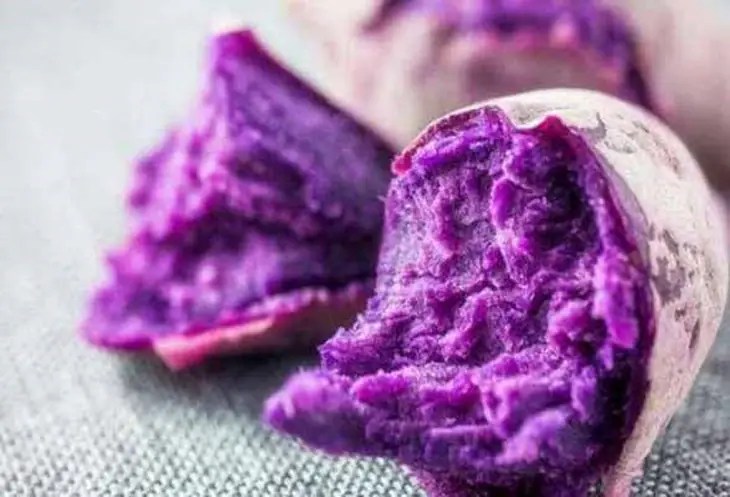
CHAPTER 1: THE SECRET BEHIND THEIR DEEP PURPLE COLOR
One of the first things people notice about purple sweet potatoes is their unusual color. Unlike the familiar orange flesh of many sweet potatoes, some purple varieties have a rich violet or dark purple interior that remains visually striking even after cooking.
That color is not simply decorative. It comes largely from naturally occurring plant pigments called anthocyanins.
What are anthocyanins?
Anthocyanins belong to a larger group of plant compounds known as flavonoids. They are responsible for the red, purple, and blue colors found in many fruits and vegetables.
Blueberries, blackberries, cherries, purple cabbage, and certain varieties of grapes all contain anthocyanins.
Purple sweet potatoes are another important dietary source. Different varieties contain different concentrations and combinations of these pigments, which helps explain why some are intensely purple while others have lighter violet flesh.
Anthocyanins have attracted scientific interest because they demonstrate antioxidant activity in laboratory experiments.
Understanding oxidative stress
The body naturally produces molecules called free radicals during normal metabolic processes. Environmental exposures, smoking, and other factors can also contribute to the formation of these reactive molecules.
The body has its own antioxidant defense systems to help maintain balance. However, when reactive molecules accumulate beyond the body's ability to manage them, oxidative stress can occur.
Oxidative stress is associated with cellular damage and is involved in the development of several chronic conditions.
Anthocyanins can interact with reactive molecules in experimental settings. Researchers are also investigating how these compounds may influence the body's own antioxidant and inflammatory pathways.
This is one reason colorful plant foods are frequently recommended as part of a balanced diet.
Does eating purple sweet potatoes protect your cells?
Purple sweet potatoes provide anthocyanins that may contribute to overall antioxidant intake. However, the effects of eating these vegetables are more complicated than simply absorbing antioxidants directly into the bloodstream.
Anthocyanins are processed during digestion and metabolism. Their metabolites may also contribute to biological activity.
Human studies involving anthocyanin-rich foods have reported promising findings in certain areas of cardiovascular and metabolic health, but results vary depending on the food, amount consumed, duration of the study, and characteristics of participants.
It would therefore be inaccurate to claim that eating purple sweet potatoes prevents cellular damage or eliminates the risk of chronic disease.
A more realistic conclusion is that they provide naturally occurring compounds that contribute to a varied, plant-rich diet.
Why variety matters
Purple sweet potatoes are nutritious, but they should not be the only source of antioxidants in your diet.
Different fruits and vegetables contain different combinations of phytochemicals, vitamins, and minerals.
Blueberries provide anthocyanins, carrots contain beta-carotene, tomatoes provide lycopene, and leafy greens supply a variety of other beneficial compounds.
Eating a range of colorful foods is a practical way to increase nutritional diversity.
The purple color is a useful reminder that plants contain complex substances that do much more than make food visually appealing.
CHAPTER 2: YOUR DIGESTIVE SYSTEM MAY BENEFIT FROM MORE DIETARY FIBER
One of the most practical nutritional advantages of purple sweet potatoes is their fiber content.
Dietary fiber is essential for normal digestive function, yet many people do not consume enough of it.
Modern eating habits often include large quantities of refined grains, highly processed snacks, and foods with relatively little fiber. Over time, this can make it difficult to meet daily fiber recommendations.
Adding purple sweet potatoes to meals can help increase fiber intake while providing a satisfying source of carbohydrates.
How fiber supports digestion
Dietary fiber is the part of plant foods that the human digestive system cannot completely break down.
Different types of fiber behave differently.
Some fiber absorbs water and helps soften stool. Other types can be fermented by bacteria in the large intestine.