These questions have fascinated people for generations, partly because society has long associated a woman's happiness with marriage, romance, and having a partner by her side. From childhood, many women hear that finding the right man is one of life's most important milestones. They may be encouraged to marry, build a family, and measure their success through the stability of their relationships.
But life rarely follows one universal path.
Some women choose to remain single. Others leave relationships that no longer bring them happiness. Some spend years focusing on their careers, raising children, caring for family members, recovering from heartbreak, or simply learning who they are outside a romantic relationship.
And many discover something surprising: living without a man does not necessarily mean living without love.
It can mean learning to love themselves, building meaningful friendships, finding purpose in their work, enjoying their independence, and creating a life that feels complete on its own.
Of course, the experience is not always easy. There can be lonely evenings, difficult decisions, social pressure, and moments when companionship feels deeply desirable. Independence does not eliminate every emotional need, just as being in a relationship does not guarantee happiness.
The real story is more complicated, more personal, and ultimately more interesting than the simple question of how long a woman can live without a man.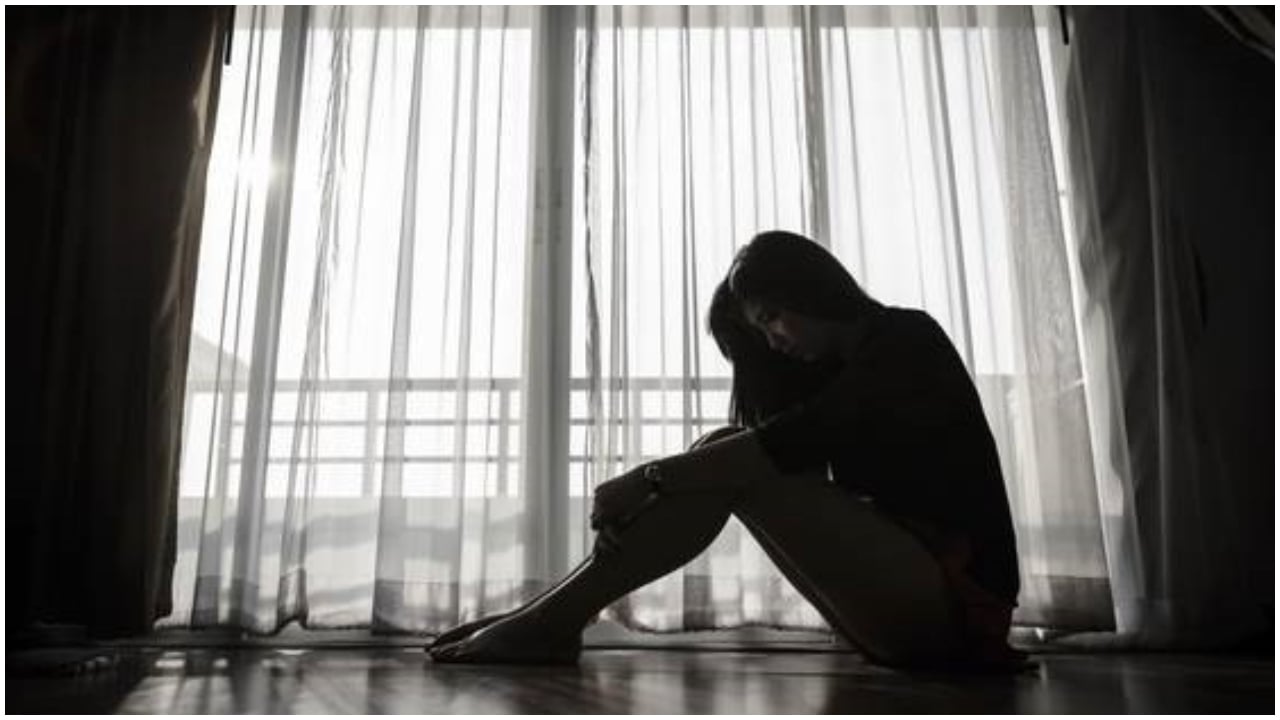
1. She Begins to Discover Who She Really Is
One of the most significant changes that can happen when a woman spends years without a romantic partner is that she may begin to understand herself more clearly.
In a relationship, even a healthy one, daily life often involves compromise. Two people make decisions together, adjust their routines, consider each other's preferences, and sometimes put shared responsibilities ahead of individual interests.
These compromises are not necessarily negative. In a loving partnership, they can create trust and closeness. However, a woman who has spent much of her life organizing her decisions around a partner may find that being single gives her an unfamiliar opportunity: the freedom to ask what she wants without first considering what someone else expects.
She might discover that she enjoys traveling alone, pursuing a career, learning a new skill, or spending quiet evenings at home.
She may realize that she never truly enjoyed certain social activities but participated in them because a former partner preferred them. She may develop interests that were previously neglected or recognize ambitions she postponed for years.
Sometimes, the discoveries are smaller.
She learns that she likes waking up early, decorating her home according to her own taste, cooking whatever she wants, or spending an entire Saturday doing absolutely nothing.
These everyday choices can gradually create a stronger sense of personal identity.
Instead of asking, "What kind of woman should I be to make someone love me?" she may begin asking, "What kind of life do I want to build for myself?"
That shift can be deeply meaningful.
However, personal discovery is not automatic. Some women feel uncertain or isolated after a breakup, while others feel relief almost immediately. The outcome depends on their experiences, circumstances, personality, and support systems.
Living without a partner does not magically reveal a person's identity. It simply creates space in which self-discovery may become easier.
2. Her Independence May Grow Stronger
Living alone or remaining single for an extended period can encourage a woman to develop practical independence.
She may learn to manage her finances, handle household repairs, make major decisions, navigate unfamiliar situations, and solve problems without relying on a romantic partner.
At first, some of these responsibilities may feel overwhelming.
A broken appliance, an unexpected bill, a difficult administrative task, or a stressful decision can seem more intimidating when there is no partner immediately available to help.
Over time, however, successfully handling these challenges can build confidence.
She begins to realize that she is capable of managing more than she once believed.
Perhaps she repairs something herself after watching a tutorial. Perhaps she negotiates a better salary, saves enough money to move into a new home, or makes an important decision without seeking approval from someone else.
Each experience becomes evidence that she can rely on her own judgment.
This does not mean she must do everything alone. Healthy independence includes knowing when to ask for help, when to hire a professional, and when to lean on friends or relatives.
A woman can be independent while accepting support. She can be strong without pretending that every difficulty is easy.
The deeper lesson is that her ability to manage life does not depend entirely on whether a man is present.
A loving partner can contribute enormously to a woman's life, but a partner should not be the only foundation upon which her confidence rests.
3. She May Become More Selective About Relationships
After spending years single, some women become more careful about whom they allow into their lives.
This does not necessarily mean that they become cold, demanding, or unwilling to compromise. Instead, they may develop a clearer understanding of what makes a relationship healthy.
Time spent alone can reveal the difference between wanting a partner and needing a particular person to feel worthy.
A woman may begin to recognize that attraction alone is not enough. Chemistry matters, but so do kindness, emotional maturity, reliability, mutual respect, and compatible values.
She may no longer feel compelled to pursue someone simply because that person shows interest.
She may ask herself more thoughtful questions:
-
Does this person respect my boundaries?
-
Can we communicate honestly when we disagree?
-
Do I feel emotionally safe around them?
-
Are our expectations for the future compatible?
-
Does this relationship bring mutual care, or am I doing most of the emotional work?
-
Can I remain myself while being with this person?
These questions can help her make decisions based on compatibility rather than fear of being alone.
For some women, this leads to healthier relationships later in life. They may recognize warning signs earlier, communicate their needs more clearly, and feel more comfortable walking away from a relationship that consistently undermines their well-being.
For others, the experience may bring uncertainty or a stronger desire to protect themselves after painful experiences.
There is no single outcome.
Being single for years does not automatically make a woman wiser about love. Reflection, emotional growth, and learning from past experiences matter more than the passage of time alone.
Still, time away from romantic relationships can offer an opportunity to decide what love should look like rather than accepting whatever relationship happens to become available.