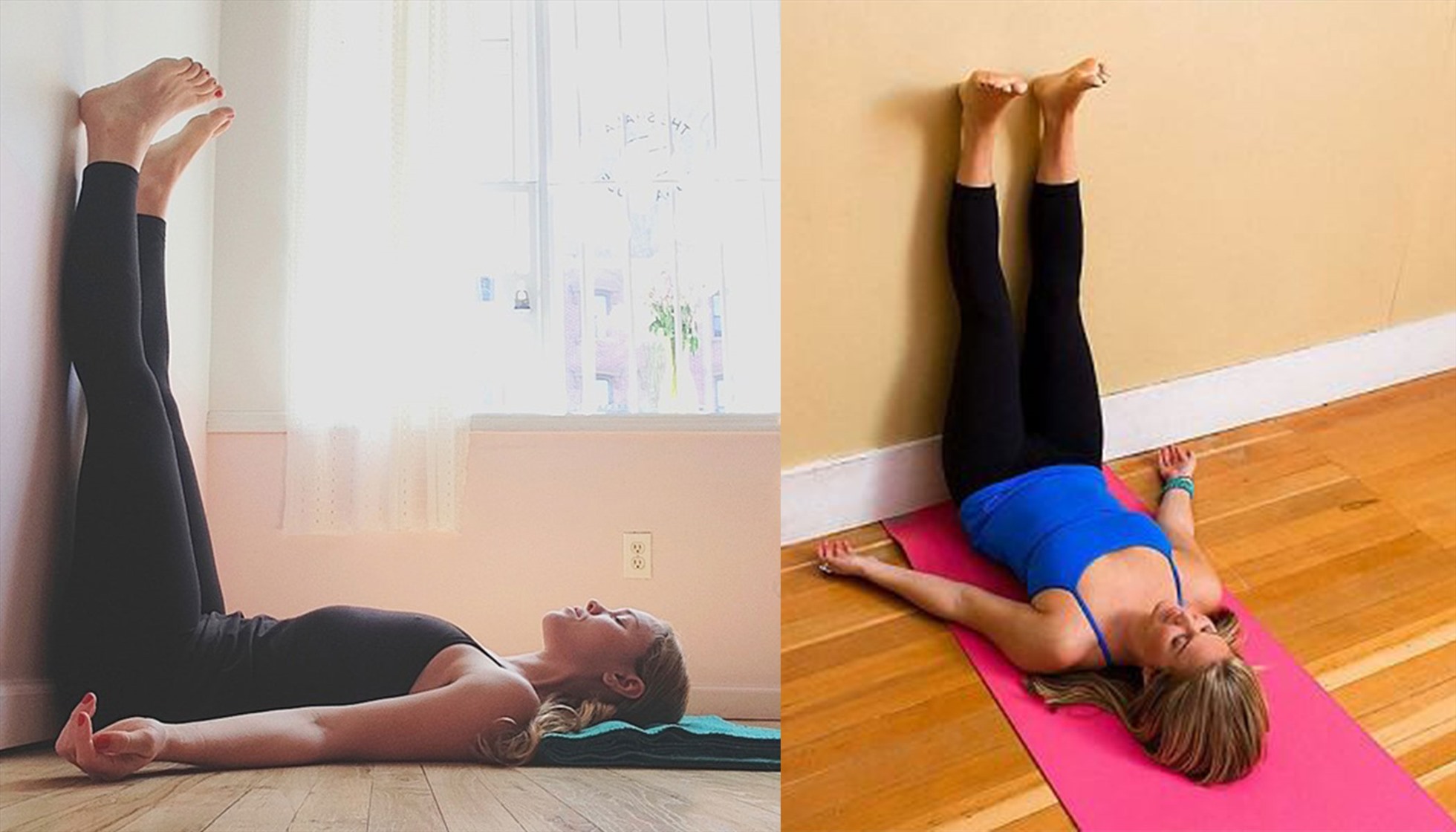
It’s one of the simplest “wellness hacks” you’ll hear: lie down, put your legs up a wall, and stay there for a few minutes. This position - often called Viparita Karani in yoga is easy, accessible, and requires no equipment.
While it’s not a cure-all, doing this for about 5 minutes a day can offer real, low-risk benefits - especially if you spend long hours sitting or standing.
🧠 What’s Actually Happening in Your Body?
Elevating your legs above heart level uses gravity to help blood and fluid return from the lower limbs toward the torso. That shift can influence:
- Circulation (venous return)
- Fluid balance (less pooling in ankles/feet)
- Nervous system tone (more relaxation)
💧 1. Supports Circulation and Reduces Leg Fatigue
After a long day, blood and fluid can pool in your lower legs.
With legs up:
- Venous blood flows back toward the heart more easily
- You may feel lighter legs and less heaviness
- Temporary relief from mild swelling can occur
Who benefits most: people who stand or sit for long periods (retail, office work, travel).
🦶 2. May Help Ease Mild Swelling (Edema)
Mild ankle/foot swelling is common after prolonged inactivity or standing.
Elevation can:
- Reduce fluid buildup temporarily
- Improve comfort in feet and calves
Note: persistent or severe swelling should be medically evaluated.
🧘 3. Activates Relaxation (Parasympathetic Response)
This position encourages your body to shift out of “fight-or-flight” into a calmer state.
You may notice:
- Slower breathing
- Reduced tension
- A sense of mental quiet
Pair it with slow breathing for stronger effects.
🌙 4. Can Improve Sleep Readiness
Doing this before bed may help you wind down.
Why it works:
- Reduces physical restlessness
- Signals the body to relax
- Helps transition into a pre-sleep state
It’s not a sleep treatment—but it can support better sleep habits.
🦵 5. Gentle Stretch for Lower Body
With minimal effort, you get a light stretch in:
- Hamstrings
- Calves
- Lower back
This can relieve tightness—especially if you sit a lot.
🧠 6. May Reduce Sensation of “Restless Legs”
Some people report fewer uncomfortable leg sensations at night after brief elevation.
The effect is likely due to:
- Improved circulation
- Reduced muscle tension
🛠️ How to Do It Properly (5 Minutes Routine)
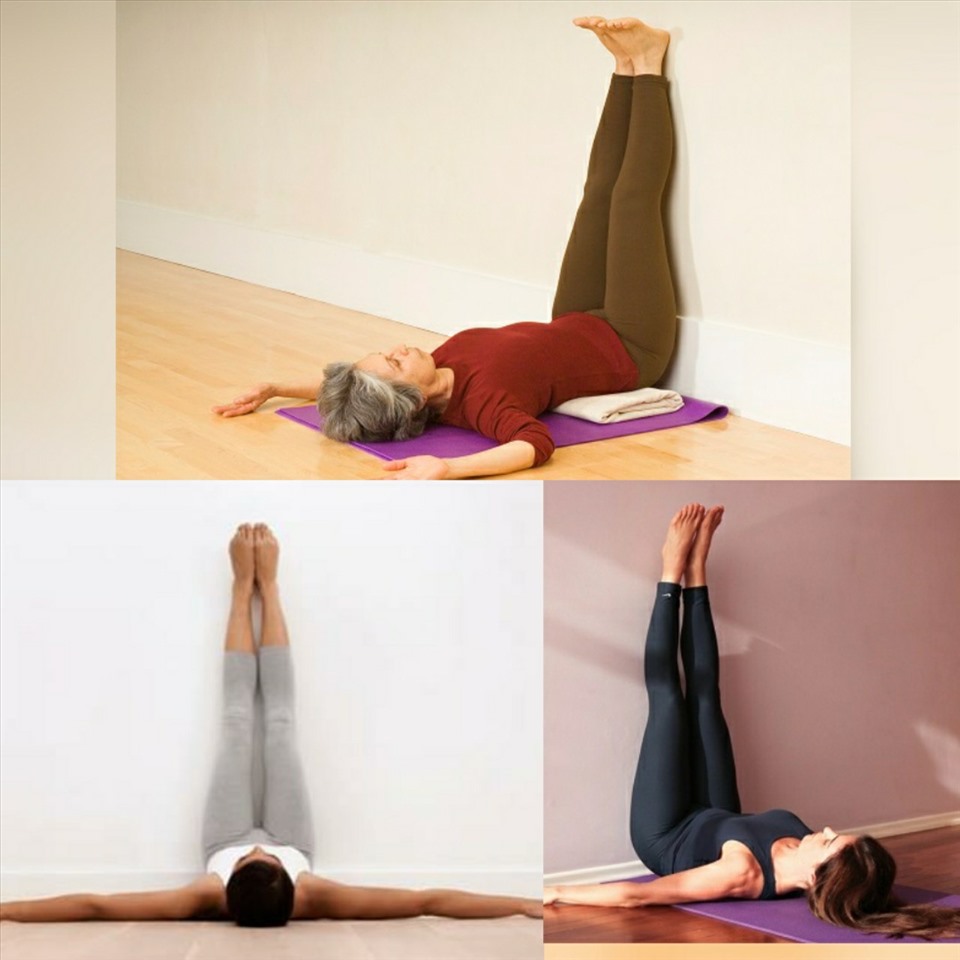
- Sit sideways next to a wall
- Gently swing your legs up as you lie back
- Adjust so your hips are close to (or slightly away from) the wall
- Rest your arms by your sides
- Breathe slowly for 3–5 minutes
Optional: place a small pillow under your hips for comfort.
⚠️ When to Be Careful
This position is generally safe, but consider caution if you have:
- Severe circulation disorders
- Certain eye conditions (pressure-sensitive)
- Uncontrolled high blood pressure
- Recent leg injuries
If unsure, check with a healthcare professional.
🚫 What This Practice Is NOT
Let’s keep expectations realistic:
- It won’t “detox” your body
- It won’t replace exercise or medical care
- It’s not a treatment for serious vascular issues
It’s a supportive habit, not a solution.
🧠 Why Such a Simple Habit Feels Effective
Because it targets two things most people neglect:
- Circulation after long periods of inactivity
- Nervous system recovery
Even a few minutes can interrupt the cycle of tension and fatigue.
💡 Final Thoughts
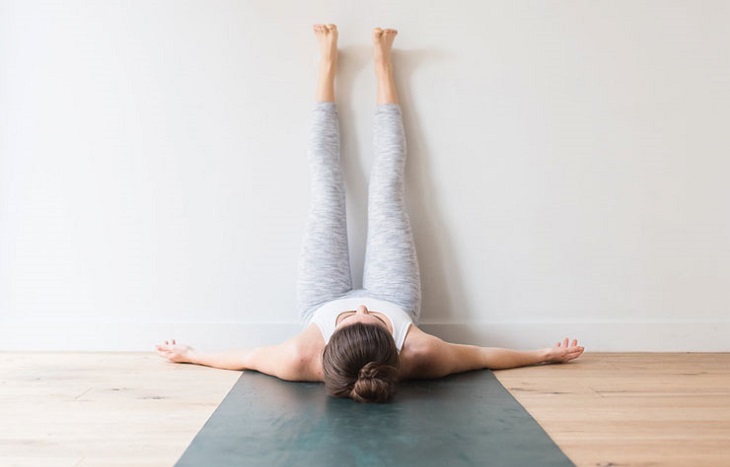
Spending 5 minutes a day with your legs up against the wall is a small habit with disproportionate comfort benefits. It’s easy, accessible, and fits into almost any routine.
Will it transform your health overnight? No.
Can it help you feel better, reduce leg fatigue, and relax more consistently? Yes - especially over time.
Sometimes, the most effective habits aren’t the most intense - they’re the ones you can actually do every day.