After a long day of standing, walking, working, or simply carrying the weight of your body from morning until night, your feet can feel surprisingly tired.
Yet they are often one of the last parts of the body people think about before going to sleep.
A simple foot massage may offer a pleasant way to slow down at the end of the day. It can help you relax, temporarily ease muscle tension, and create a calming bedtime routine. For some people, that relaxation may make it easier to settle into sleep.
But there is an important distinction between feeling relaxed after a massage and claiming that foot massage can treat insomnia or other sleep disorders. Research on massage and sleep has found potentially helpful effects in some groups, but the evidence varies, and a foot massage should be viewed as a complementary relaxation technique rather than a guaranteed treatment.
So what might actually happen if you spend just a few minutes massaging your feet before bed?
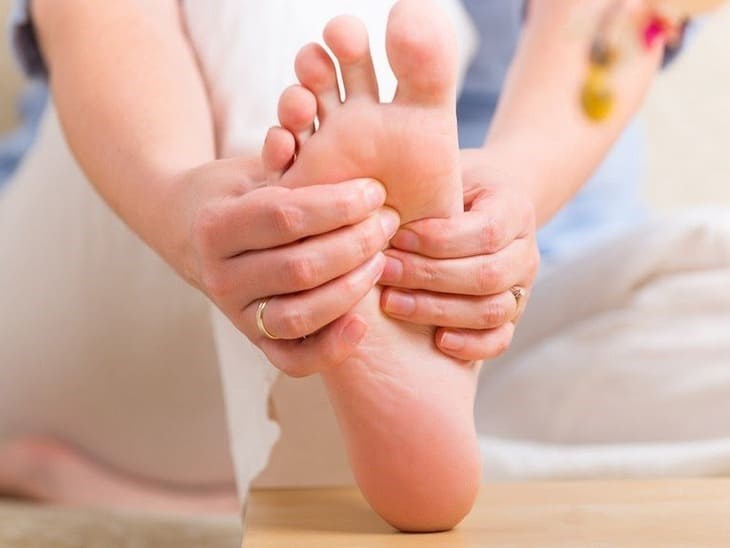
1. It May Help Your Body Relax
One of the simplest benefits of a foot massage is relaxation.
Gentle pressure and slow movements can provide sensory input that feels soothing after a busy day. The experience may help shift your attention away from work, screens, worries, and other sources of mental stimulation.
That matters because preparing for sleep isn't only about being physically tired.
Your mind also needs an opportunity to slow down.
A quiet five- or ten-minute massage can become a signal that the active part of the day is ending.
Instead of immediately going from a phone screen or stressful task to trying to fall asleep, you create a short transition period.
That can be valuable even if the massage itself doesn't directly change your sleep physiology.
2. It May Ease Foot and Lower-Leg Tension
Your feet absorb considerable mechanical stress throughout the day.
Every step places pressure on the structures responsible for supporting your body.
If you spend many hours standing or walking, you may notice:
-
Aching soles
-
Tight calves
-
Tired arches
-
Mild stiffness
-
General foot discomfort
A gentle massage may temporarily reduce the sensation of tension and make your feet feel more comfortable.
This can be particularly appealing after a day spent wearing uncomfortable shoes or being on your feet for extended periods.
However, massage should not be used to ignore persistent or severe pain.
Pain that repeatedly returns, becomes worse, causes swelling, or interferes with walking may require an evaluation to determine the underlying cause.
3. It Can Become a Useful Bedtime Ritual
One of the most overlooked advantages of foot massage may be the routine itself.
Sleep tends to benefit from consistency.
Going to bed at roughly the same time, reducing stimulating activities before bed, and creating a predictable wind-down routine can help establish healthy sleep habits.
A foot massage can become part of that routine.
For example:
10:00 p.m. — Dim the lights
10:05 p.m. — Put away your phone
10:10 p.m. — Massage your feet
10:20 p.m. — Read or practice another relaxing activity
10:30 p.m. — Lights out
Over time, repeating the same sequence may help your brain associate those activities with bedtime.
The massage doesn't have to be complicated.
Consistency may be more useful than intensity.
4. It May Help You Pay Attention to Your Body
Modern life can make it surprisingly easy to ignore physical discomfort.
You sit at a desk.
You walk through a busy day.
You rush through meals.
You look at screens until bedtime.
A few quiet minutes of foot massage encourage you to slow down and notice how your body actually feels.
You may discover that one foot feels tighter than the other or that your calves are particularly tense.
This awareness can help you recognize patterns.
For example, perhaps your feet hurt more after certain shoes or after standing for unusually long periods.
That information can be useful when deciding whether you need better footwear, more rest, changes in activity, or professional advice.
5. Massage May Temporarily Improve the Feeling of Circulation
People often describe massage as something that “improves circulation.”
There is some physiological basis for saying that massage can influence local blood flow, particularly temporarily, but this doesn't mean that a foot massage treats poor circulation caused by an underlying disease.
The mechanical pressure and movement involved in massage can affect tissues and blood vessels locally.
Afterward, your feet may feel warm or pleasantly relaxed.
But persistent cold feet, major color changes, numbness, severe swelling, or pain with walking should not simply be treated with massage.
Those symptoms can sometimes indicate circulation, nerve, or other medical problems that require evaluation.
6. It May Help Reduce the Feeling of Stress
Stress is one of the many factors that can interfere with sleep.
When you're mentally preoccupied, it can be difficult to transition from daytime activity to rest.
A relaxing physical activity can provide a simple interruption to that cycle.
Foot massage may help because it combines:
-
Gentle physical touch
-
Repetitive movement
-
Quiet
-
Focused attention
-
A break from screens
-
A predictable bedtime routine
The effect isn't necessarily dramatic.
You may simply feel calmer.
And sometimes that is exactly what you need before bed.
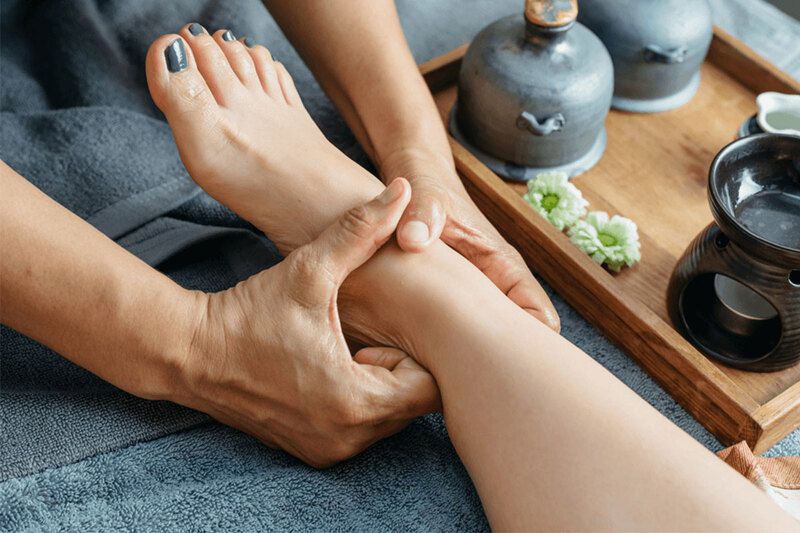
7. It May Be Especially Pleasant After a Day on Your Feet
For people who work in jobs that involve standing or walking, the end of the day can bring a familiar feeling of heaviness.
Retail workers, healthcare workers, teachers, restaurant employees, construction workers, athletes, and many others can spend hours on their feet.
A few minutes of massage may provide temporary comfort.
Try starting with the sole of the foot and using your thumbs to apply gentle pressure.
Then move toward the heel and arch.
You can finish by gently massaging the toes and the top of the foot.
The pressure should feel comfortable.
More pressure does not necessarily mean a better massage.
If you need to tense your muscles or hold your breath because the massage hurts, reduce the pressure.
How to Give Yourself a Simple Foot Massage
You don't need specialized equipment.
A comfortable chair or bed is enough.
Step 1: Get comfortable
Sit or lie down somewhere quiet.
Let your legs relax.
Step 2: Warm your hands
Rub your hands together for a few seconds.
This can make the massage more comfortable.
Step 3: Start gently
Use your palms to rub the entire foot.
Begin with light pressure rather than immediately pressing hard.
Step 4: Massage the sole
Use your thumbs to make slow circular movements across the sole.
Pay attention to the heel and arch, where many people notice tension.
Step 5: Massage the toes
Gently rub each toe.
Avoid forcefully pulling or twisting them.
Step 6: Finish with the ankle and lower leg
If comfortable, use long, gentle strokes around the ankle and calf.
Don't massage directly over an area that is painful, swollen, bruised, or injured.
What About Using Massage Oil?
A small amount of lotion or massage oil can reduce friction and make the experience more comfortable.
You don't need an expensive product.
A simple, fragrance-free moisturizer can work well if your skin is dry or sensitive.
If you use an essential oil, remember that “natural” does not automatically mean harmless.
Some essential oils can irritate the skin or cause allergic reactions, and certain oils can be unsafe around pets.
Always dilute essential oils appropriately and follow product instructions.
You can also skip them entirely.
The massage—not the fragrance—is the important part.
Could a Foot Massage Actually Improve Sleep?
This is where it is important to keep expectations realistic.
Some studies have reported improvements in sleep quality after massage-based interventions, including foot massage, particularly in certain groups such as older adults or people with particular health conditions.
However, studies vary in their methods, and evidence isn't strong enough to conclude that foot massage is a universal treatment for insomnia.
If you sleep better after doing it, that's valuable.
But the improvement may come from several factors working together:
relaxation + reduced discomfort + a calming routine + reduced mental stimulation.
It doesn't necessarily mean that massaging a specific point on the foot has a direct effect on a particular organ or disease.
Be Careful With Reflexology Claims
You may have heard that different areas of the foot correspond to specific organs and that pressing particular “reflex points” can treat problems elsewhere in the body.
This concept is known as reflexology.
People may find reflexology relaxing, but claims that pressing a particular point on the foot can directly treat diseases of specific organs are not well supported by scientific evidence.
That's an important distinction.
You can enjoy a foot massage for relaxation without assuming it can cure a medical condition.
If you have diabetes, liver disease, high blood pressure, insomnia, or another health problem, massage should complement—not replace—appropriate medical care.
Who Should Be Careful With Foot Massage?
Foot massage isn't appropriate for everyone in every situation.
Use particular caution if you have:
-
An unexplained swollen leg or foot
-
A recent injury
-
A fracture
-
Open wounds
-
Skin infection
-
Severe nerve damage
-
Significant loss of sensation
-
Severe circulation problems
-
A known blood clot or suspected blood clot
People with diabetes may have reduced sensation in their feet, making it easier to apply excessive pressure or overlook an injury.
People with significant peripheral neuropathy should therefore be particularly cautious.
If you have a medical condition affecting your feet or circulation, ask your healthcare professional whether massage is appropriate.
What If Your Feet Are Swollen?
Mild swelling after a long day can have relatively simple explanations, such as prolonged standing.
But new, persistent, or significant swelling shouldn't automatically be treated with massage.
Especially concerning is sudden swelling affecting only one leg, particularly when accompanied by pain, warmth, redness, or tenderness.
That can be a sign of a blood clot and requires prompt medical evaluation.
Likewise, swelling accompanied by severe shortness of breath or chest pain is an emergency.
Foot Massage Is Only One Piece of Better Sleep
If your goal is better sleep, don't rely on one technique alone.
A broader bedtime routine can be more useful.
Consider:
Keep a consistent sleep schedule
Try to go to bed and wake up at approximately the same times each day.
Reduce bright light before bed
Give your brain some time away from intense screens and bright lighting.
Limit caffeine late in the day
Caffeine can remain active in the body for hours.
Create a comfortable bedroom
A dark, quiet, and comfortably cool environment can make sleeping easier.
Address persistent stress
Relaxation techniques, journaling, breathing exercises, or professional support may help depending on the cause.
Don't ignore ongoing insomnia
If difficulty sleeping persists for weeks or significantly affects your daytime functioning, talk with a healthcare professional.
Chronic insomnia can have many causes and may benefit from evidence-based treatment such as cognitive behavioral therapy for insomnia (CBT-I).
A Five-Minute Experiment Tonight
If you're curious about whether foot massage works for you, try a simple experiment.
Tonight, put your phone away a little earlier than usual.
Sit somewhere comfortable.
Take a few slow breaths.
Spend approximately five minutes gently massaging each foot.
Don't focus on trying to force yourself to fall asleep.
Instead, focus on the sensation and allow your body to wind down.
Then go through the rest of your normal bedtime routine.
Try it consistently for several nights rather than judging it after one attempt.
Pay attention to:
-
How relaxed you feel
-
Whether your feet feel less tense
-
How quickly you feel ready for sleep
-
Whether you wake during the night
-
How rested you feel the following morning
This gives you a more realistic sense of whether the routine is useful for you.

The Bottom Line
Massaging your feet before bed isn't a miracle cure for insomnia, and there is no strong evidence that pressing specific points on your feet can treat diseases elsewhere in the body.
But that doesn't mean the practice is useless.
A gentle foot massage can be a pleasant way to reduce the feeling of tension, soothe tired feet, encourage relaxation, and create a consistent transition into bedtime. Research on massage and sleep suggests potential benefits in some settings, although the evidence is not strong enough to guarantee better sleep for everyone.
The best approach is simple.
Don't massage harder simply because you think more pressure means greater benefit.
Don't use essential oils or homemade remedies without considering safety.
And don't use massage to explain away persistent pain, swelling, numbness, or other concerning symptoms.
Instead, treat those few quiet minutes as an opportunity to slow down.
After a long day, your feet have carried you everywhere you needed to go.
Giving them five or ten minutes of gentle attention before bed may not transform your sleep overnight—but it can be a simple, calming ritual that helps you leave the day's tension behind and prepare your body and mind for rest.