Acid reflux is one of the most common digestive complaints worldwide. Millions of people experience symptoms such as:
- Heartburn
- Burning in the chest
- Sour taste in the mouth
- Bloating
- Throat irritation
For some people, symptoms happen only occasionally after heavy meals. For others, reflux becomes a recurring problem that interferes with:
- Sleep
- Eating
- Daily comfort
- Quality of life
While medications may help many individuals manage symptoms, doctors say certain lifestyle habits may also play an important role in reducing acid reflux naturally.
In fact, some people notice significant improvement simply by making a few consistent daily changes.
What Causes Acid Reflux?
Acid reflux occurs when stomach acid flows backward into the esophagus — the tube connecting the mouth to the stomach.
Normally, a muscle called the lower esophageal sphincter helps keep stomach contents in place. When this muscle weakens or relaxes improperly, acid may move upward and cause irritation.
Common reflux triggers may include:
- Large meals
- Fatty foods
- Lying down after eating
- Obesity
- Smoking
- Alcohol
- Stress

Why Lifestyle Habits Matter
Doctors often emphasize that reflux is not caused by one single factor alone.
Daily habits involving:
- Eating patterns
- Body position
- Weight
- Stress
- Sleep
may strongly influence symptoms.
For some people, improving these habits may reduce:
- Heartburn frequency
- Chest discomfort
- Nighttime reflux
- Dependence on symptom relief products
Habit 1: Avoid Lying Down Too Soon After Eating
One of the most important reflux-related habits involves timing.
Lying down immediately after meals may allow stomach acid to move upward more easily because gravity no longer helps keep stomach contents down.
Why This Matters
After eating, the stomach is fuller and produces digestive acids.
When someone:
- Reclines
- Bends over
- Goes to bed too soon
acid may more easily enter the esophagus.
What Experts Often Recommend
Many doctors suggest:
- Waiting at least 2–3 hours after eating before lying down
- Avoiding late-night heavy meals
- Eating dinner earlier in the evening
Some people notice major improvement simply from changing meal timing.
Habit 2: Identify and Reduce Trigger Foods
Not all reflux triggers are the same for every person.
However, certain foods are commonly associated with worsening symptoms, including:
- Fried foods
- Spicy meals
- Chocolate
- Coffee
- Carbonated drinks
- Alcohol
- Citrus
- Tomato-based sauces
Why Trigger Foods Matter
Some foods may:
- Relax the lower esophageal sphincter
- Increase stomach acid production
- Delay stomach emptying
making reflux more likely.
Keeping a Food Journal May Help
Some people benefit from tracking:
- What they eat
- When symptoms occur
- Portion sizes
This may help identify personal trigger foods more effectively.
Habit 3: Maintain Healthy Weight and Portion Control
Excess abdominal pressure may contribute significantly to acid reflux.
Large meals and excess body weight may place additional pressure on the stomach, increasing the likelihood of acid moving upward.
Small Changes Can Matter
Doctors often recommend:
- Eating smaller meals
- Avoiding overeating
- Gradual weight management
- Slow mindful eating
Even moderate weight loss may improve symptoms for some individuals.
Other Habits That May Help Reduce Reflux
In addition to the three major habits above, some people may benefit from:
- Sleeping with the head slightly elevated
- Avoiding smoking
- Reducing alcohol intake
- Wearing looser clothing around the waist
- Managing stress
Small daily adjustments often work together over time.
Stress and Acid Reflux
Stress itself may not directly cause reflux, but it may worsen symptoms in several ways.
During stress, people may:
- Eat faster
- Overeat
- Sleep poorly
- Experience increased stomach sensitivity
This may intensify digestive discomfort.
Relaxation habits such as:
- Walking
- Deep breathing
- Meditation
- Better sleep routines
may help some individuals feel improvement.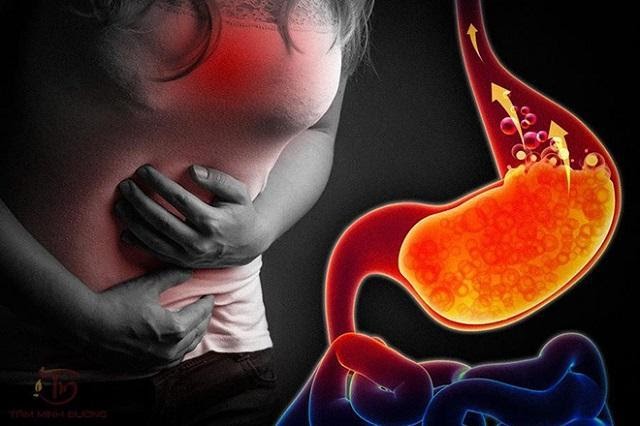
Why Nighttime Reflux Feels Worse
Many people notice symptoms become stronger at night.
When lying flat:
- Gravity no longer helps keep stomach acid down
- Acid may remain in contact with the esophagus longer
Nighttime reflux may contribute to:
- Chronic cough
- Sore throat
- Poor sleep
- Hoarseness
Acid Reflux and Diet Trends
Online advice about reflux can sometimes become extreme.
Some internet claims suggest:
- One food cures reflux instantly
- “Acid-free” diets solve everything
- Supplements permanently eliminate reflux
In reality, reflux management usually requires individualized and long-term lifestyle adjustments.
When Reflux Should Not Be Ignored
Occasional heartburn is common.
However, persistent symptoms may require medical evaluation, especially if someone experiences:
- Difficulty swallowing
- Chest pain
- Vomiting
- Weight loss
- Frequent nighttime symptoms
- Chronic cough
Long-term untreated reflux may irritate the esophagus over time.
Why Self-Diagnosis Can Be Risky
Chest burning is not always acid reflux.
Some symptoms may overlap with:
- Heart problems
- Gallbladder disease
- Ulcers
- Anxiety
- Digestive disorders
This is why persistent or severe symptoms deserve professional evaluation.
Most People Can Improve Symptoms With Consistency
Doctors often emphasize that lifestyle improvements usually work gradually rather than overnight.
Consistent habits may help:
- Reduce symptom frequency
- Improve digestion
- Support weight management
- Improve sleep quality
Small sustainable changes are often more effective than extreme diets.

Final Thoughts
Acid reflux may sometimes improve naturally through simple lifestyle habits such as avoiding lying down after meals, reducing trigger foods, and maintaining healthy portion sizes and body weight. Because reflux symptoms are often influenced by daily routines, consistent changes may significantly improve comfort for many people over time.
Doctors emphasize that persistent or severe reflux symptoms should not be ignored, and proper medical evaluation remains important when symptoms become frequent, disruptive, or progressively worse.