What Is a Lipoma? Causes, Risks, and Treatment Explained
A lipoma is a common, noncancerous growth made up of fat tissue that develops just beneath the skin. It typically feels soft, moves easily when touched, and grows slowly over time. While discovering a lump under your skin can be alarming, lipomas are usually harmless and rarely pose serious health risks.
What Does a Lipoma Look and Feel Like?
Lipomas often appear as small, round or oval lumps located just under the skin. They are usually painless, soft to the touch, and can be moved slightly with gentle pressure. Most lipomas are found on the neck, shoulders, back, abdomen, or arms, though they can develop almost anywhere on the body.
Is a Lipoma Dangerous?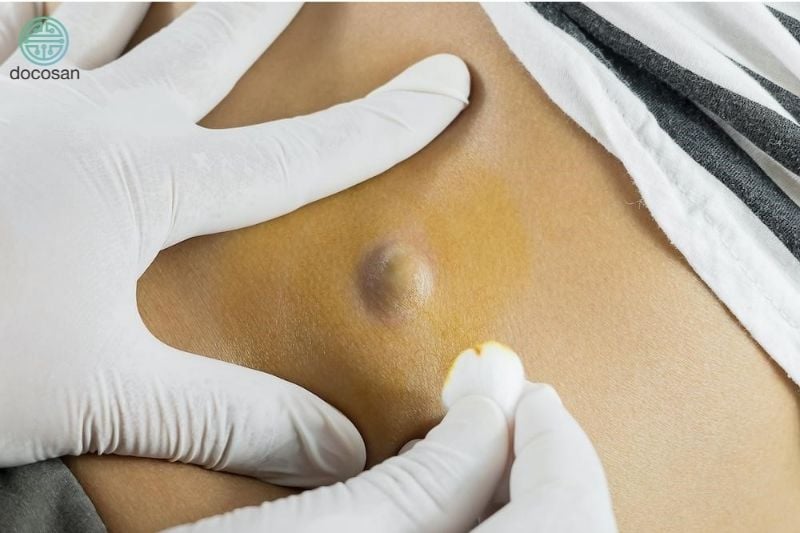
In most cases, lipomas are not dangerous. They are benign (noncancerous) tumors and do not spread to other parts of the body. However, in rare situations, a lump that appears similar to a lipoma could be a more serious condition, such as a liposarcoma (a cancerous tumor). That’s why it’s important to have any unusual or growing lump evaluated by a healthcare professional.
You should seek medical advice if a lump:
- Grows rapidly
- Becomes painful
- Feels hard or immovable
- Changes in shape or size
What Causes Lipomas?
The exact cause of lipomas is not fully understood, but several factors may contribute to their development:
- Genetics: Lipomas can run in families, suggesting a hereditary component.
- Age: They are most commonly seen in adults between 40 and 60 years old.
- Minor Injuries: In some cases, lipomas may form after a physical injury, although this link is not fully proven.
- Certain Conditions: Some rare disorders can increase the likelihood of developing multiple lipomas.
How Are Lipomas Diagnosed?
Doctors usually diagnose a lipoma through a physical examination. In some cases, imaging tests such as ultrasound, CT scans, or MRI may be used to confirm the diagnosis or rule out other conditions. A biopsy may be recommended if there is any doubt about the nature of the lump.
Treatment Options
Most lipomas do not require treatment unless they cause discomfort, pain, or cosmetic concerns. When treatment is needed, options include:
- Surgical Removal: The most common and effective treatment. The lipoma is removed through a minor surgical procedure, and recurrence is rare.
- Liposuction: In some cases, liposuction may be used to reduce the size of the lipoma.
- Steroid Injections: These can sometimes shrink the lipoma but may not remove it completely.
Conclusion
Lipomas are generally harmless and often require no treatment. However, it’s always important to monitor any unusual lumps and seek medical evaluation if there are changes or concerns. Understanding what a lipoma is—and what it isn’t—can help you stay informed and avoid unnecessary worry.