
Health Alert: 4 Foods That Could Increase Your Risk of Parasite Exposure
You May Be Eating These Foods Without Realizing the Potential Risks 👀
Health 05/06/2026 11:30
When most people peel back the husk of a fresh ear of corn, they immediately remove and discard the silky threads attached to the kernels. Known as corn silk, these long, soft fibers have traditionally been viewed as agricultural waste.
However, for centuries, corn silk has been used in various traditional wellness practices around the world. In many cultures, it has been brewed into teas, incorporated into herbal preparations, and valued for its potential health-supporting properties.
Modern researchers have also become interested in corn silk because it contains a variety of naturally occurring compounds, including antioxidants, flavonoids, vitamins, and minerals. While more scientific research is needed to fully understand its effects, corn silk continues to attract attention as a simple natural ingredient with a long history of use.
Here are ten potential benefits and practical uses of corn silk, along with important information about how people commonly prepare it.
Corn silk refers to the fine strands that grow beneath the corn husk.
Each strand plays a role in the pollination process and ultimately helps kernels develop.
Corn silk contains various naturally occurring compounds, including:
Flavonoids
Antioxidants
Potassium
Plant sterols
Polyphenols
These compounds are often the focus of research into its potential health-supporting properties.
One of the most studied aspects of corn silk is its antioxidant content.
Antioxidants help protect cells from damage caused by unstable molecules known as free radicals.
A diet rich in antioxidants may help support:
Cellular health
Healthy aging
Overall wellness
Corn silk is not the only source of antioxidants, but it can contribute to a varied and balanced diet.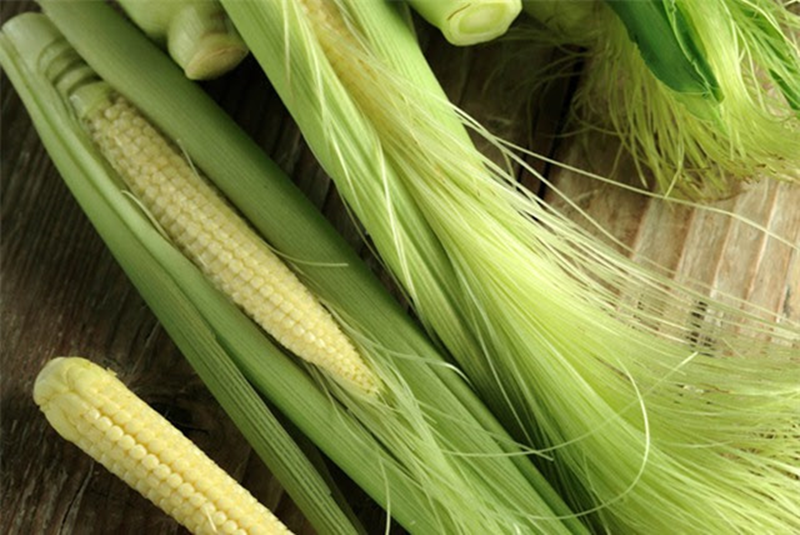
Corn silk tea has been used traditionally in many regions to support urinary function.
Many traditional wellness practices have used corn silk beverages to promote normal urinary flow.
Corn silk should not replace medical treatment for urinary tract conditions.
Persistent urinary symptoms should always be evaluated by a healthcare professional.
Because corn silk is commonly consumed as a tea, it may contribute to overall fluid intake.
Adequate hydration supports:
Kidney function
Digestion
Temperature regulation
Overall health
The simple act of drinking more fluids can be beneficial for many people.
Corn silk has a long history of use in traditional approaches to kidney wellness.
Scientists continue to study plant compounds found in corn silk and their potential effects on kidney-related functions.
Individuals with kidney disease should always consult their healthcare provider before using herbal products.
Corn silk contains several bioactive compounds.
Flavonoids
Alkaloids
Terpenoids
Saponins
Researchers continue investigating how these compounds interact with the body.
Some people use corn silk tea as part of traditional digestive-support practices.
It has historically been consumed to support:
General digestive comfort
Hydration
Overall gastrointestinal wellness
Scientific evidence remains limited, but traditional use continues in many communities.
Researchers have explored the relationship between corn silk compounds and blood sugar regulation.
Some laboratory and animal studies have produced interesting findings.
However, more human studies are needed.
Corn silk should never replace prescribed diabetes treatment.
Heart health depends on many factors, including:
Diet
Exercise
Sleep
Stress management
Because corn silk contains antioxidants and plant compounds, researchers continue studying its potential role within a healthy lifestyle.
No single food or herb can guarantee cardiovascular health, but balanced nutrition remains important.
One practical use of corn silk is simply as a caffeine-free herbal beverage.
Corn silk tea is:
Mild in flavor
Naturally caffeine-free
Easy to prepare
Many people enjoy it as a warm, soothing drink.
Perhaps one of the most overlooked benefits is environmental.
Corn silk is often discarded during food preparation.
Using corn silk for tea or other traditional preparations may help reduce food waste.
This makes it a simple example of making fuller use of natural food resources.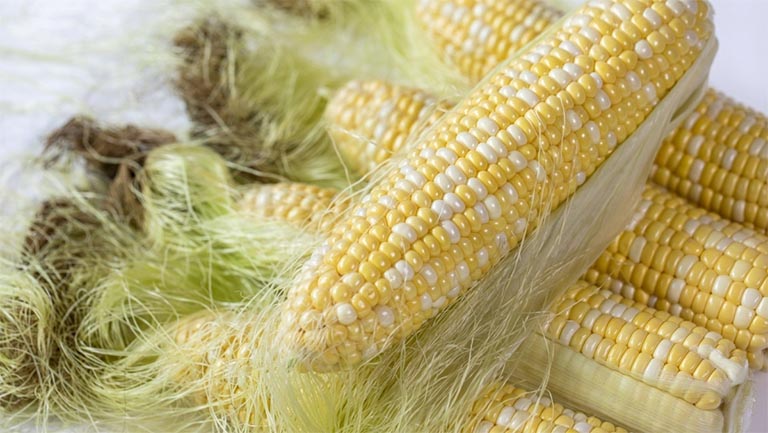
One of the most common ways to use corn silk is by brewing tea.
Collect fresh, clean corn silk from healthy corn.
Rinse thoroughly to remove dirt and debris.
Place the corn silk in boiling water.
Simmer for approximately 10 to 15 minutes.
Strain and allow the tea to cool slightly before drinking.
Some people enjoy it warm, while others prefer it chilled.
Both forms can be used.
Softer texture
Mild flavor
Available during harvest season
Longer shelf life
Convenient storage
Commonly used in herbal preparations
Proper drying and storage help preserve quality.
Although corn silk is generally considered safe for many people, certain precautions are important.
Corn silk may interact with some medications.
Examples may include:
Blood pressure medications
Diuretics
Diabetes medications
Individuals who are pregnant or breastfeeding should consult healthcare providers before using herbal products.
Anyone with concerns about allergies should proceed cautiously.
In reality, it has a long history of traditional use.
There is currently no scientific evidence that corn silk cures any disease.
Even natural products should be used responsibly and in moderation.
Beyond tea, some people use corn silk in:
Combined with other traditional herbs.
As compost material.
Dried corn silk is sometimes used in decorative projects.
Researchers continue studying corn silk's:
Antioxidant properties
Plant compounds
Traditional applications
While early findings are interesting, larger human studies are still needed before definitive health claims can be made.
This is why corn silk is best viewed as a traditional wellness ingredient rather than a medical treatment.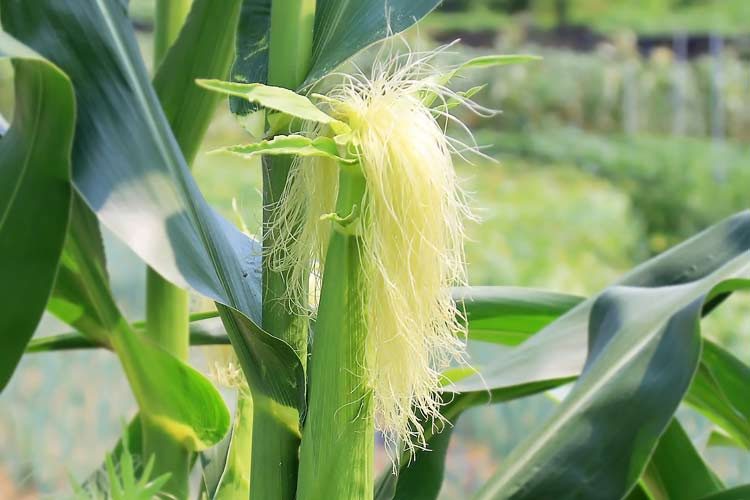
Corn silk is much more than the fine threads people usually throw away when preparing corn. Rich in antioxidants and plant compounds, it has been used for generations in traditional herbal practices and is commonly brewed into tea. Potential benefits may include support for hydration, urinary health, kidney wellness, and overall antioxidant intake, though more scientific research is needed to confirm many traditional claims.
Whether you're interested in reducing food waste, exploring traditional herbal teas, or simply learning more about natural ingredients, corn silk offers an interesting example of how something often discarded may still have value. As with any herbal product, moderation and informed use are key, and persistent health concerns should always be discussed with a qualified healthcare professional.
You May Be Eating These Foods Without Realizing the Potential Risks 👀
Doctors Were Surprised by These Liver Test Results After Regular Sweet Potato Consumption
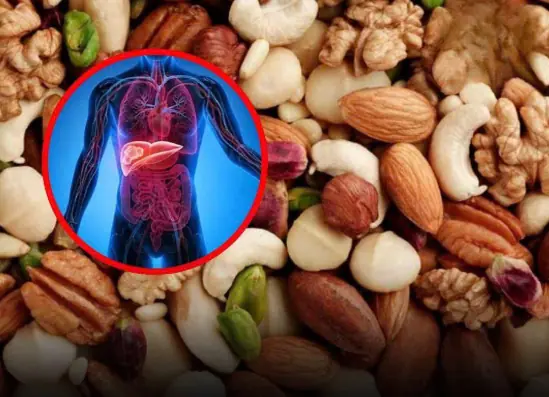
Nuts have long been known as healthy foods with abundant nutrients, containing lots of protein, fiber, vitamins and minerals.

Air conditioners are essential items during the hot summer months. However, when installing an air conditioner, there are certain positions to avoid.


For many people, the first cup of the day is often a hot cup of tea or coffee. They believe these beverages provide enough energy for the body throughout the day.
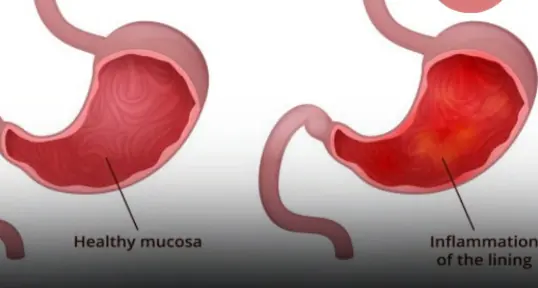
A healthy breakfast not only gives you energy for the whole day but also protects the stomach from health problems.
The Overlooked Superfood? 7 Health Benefits of Taro Root

Your Body May Be Sending Important Messages After 40 - Here Are 6 Signs to Know
Could a Daily Sweet Potato Habit Influence Liver Health? Here's What Happened

Your Nails Can Reflect What’s Happening Inside Your Body — Here’s How 👇
Why Nutrition Experts Recommend Bananas for Many Adults Over 60

A Small Ache in the Jaw Could Signal a Serious Medical Emergency
Eating Okra Every Week? Here Are the Benefits Doctors Want You to Know 👇
The Early Signs of Nasopharyngeal Cancer Can Be Easy to Dismiss - Here Are 7 to Know
8 Powerful Reasons to Make Ginger Tea Part of Your Nighttime Routine

5 Silent Symptoms of Thyroid Cancer Many People Overlook
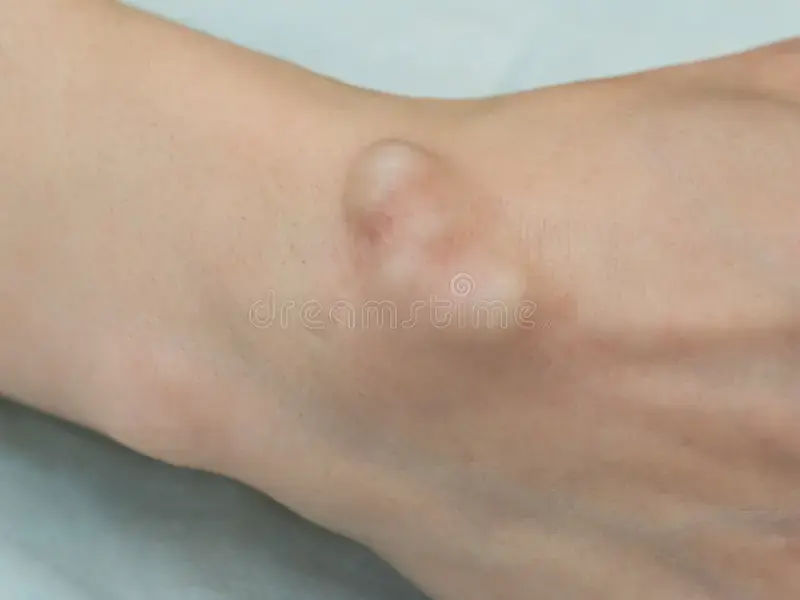
What Causes That Weird Lump on Your Wrist? The Answer May Surprise You
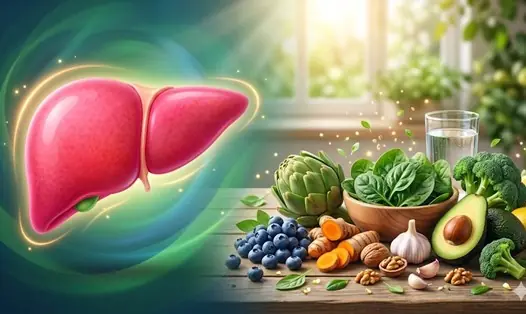
Your Liver Will Thank You for Adding These 4 Vegetables and 2 Fruits to Your Diet
You May Be Eating These Foods Without Realizing the Potential Risks 👀
Doctors Were Surprised by These Liver Test Results After Regular Sweet Potato Consumption
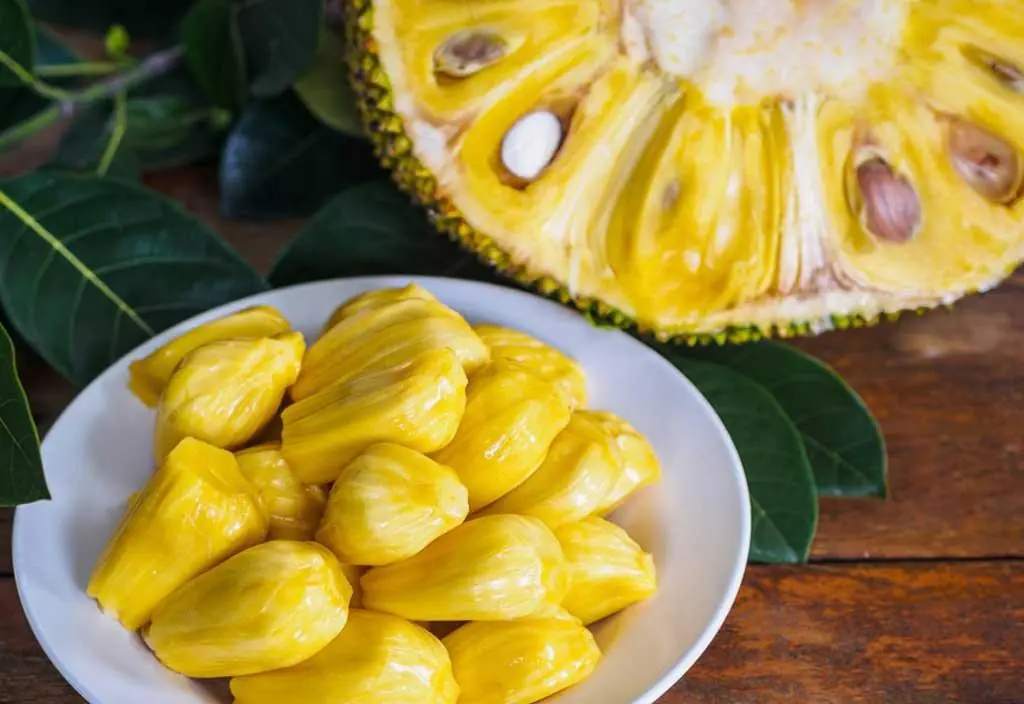
Doctors Highlight 5 Situations Where Jackfruit May Not Be the Best Choice
Nuts have long been known as healthy foods with abundant nutrients, containing lots of protein, fiber, vitamins and minerals.
Air conditioners are essential items during the hot summer months. However, when installing an air conditioner, there are certain positions to avoid.
For many people, the first cup of the day is often a hot cup of tea or coffee. They believe these beverages provide enough energy for the body throughout the day.
A healthy breakfast not only gives you energy for the whole day but also protects the stomach from health problems.

These Common Garden Plants Are Believed to Repel Snakes
Chia seeds may be small, but they pack a powerful punch when it comes to health benefits.
The Overlooked Superfood? 7 Health Benefits of Taro Root
Your Body May Be Sending Important Messages After 40 - Here Are 6 Signs to Know

Snake Bite First Aid: Essential Steps Everyone Should Know
Could a Daily Sweet Potato Habit Influence Liver Health? Here's What Happened
Your Nails Can Reflect What’s Happening Inside Your Body — Here’s How 👇
Why Nutrition Experts Recommend Bananas for Many Adults Over 60
A Small Ache in the Jaw Could Signal a Serious Medical Emergency
Eating Okra Every Week? Here Are the Benefits Doctors Want You to Know 👇
The Early Signs of Nasopharyngeal Cancer Can Be Easy to Dismiss - Here Are 7 to Know