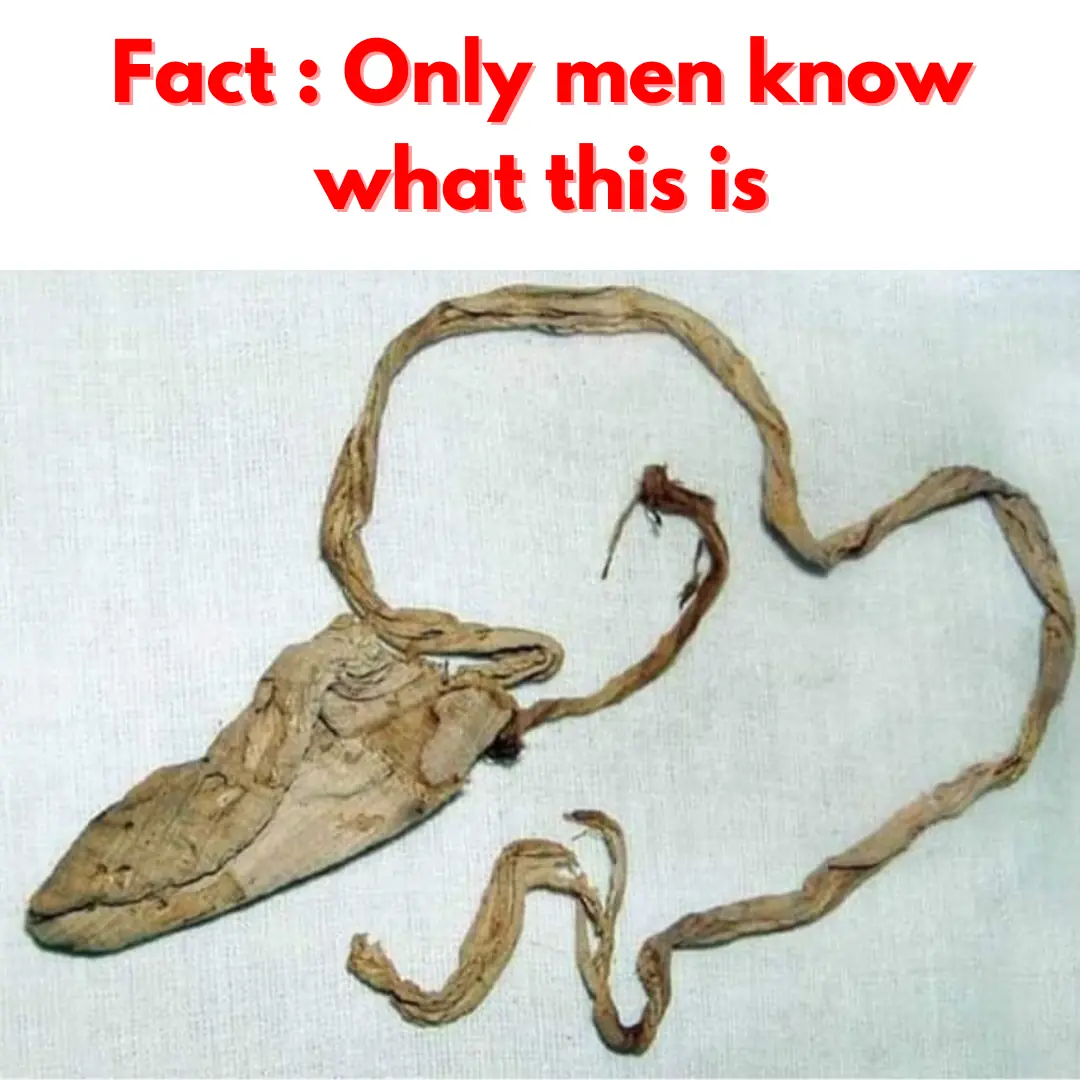
One of the most remarkable items found in the tomb of Tutankhamun, excavated in 1922, was a linen condom containing traces of the pharaoh's DNA.
In 1922, when the tomb of Tutankhamun - the pharaoh who ruled Egypt around 1333 - 1323 BC - was first discovered, archaeologist Howard Carter was stunned by the impressive array of burial objects. In total, more than 5,000 artifacts were left for the young king to use in the afterlife.
Among the artifacts made of gold, silver, ebony, ivory, precious jewelry, weapons, furniture, fine linen and rare perfumes, a strange little piece of fabric caught the attention of experts: King Tutankhamun's condom. It also appears to have been a necessary item for Tutankhamun in the afterlife, Joanna Gillan, co-founder of the archaeological site Ancient Origins, wrote on the site on July 12.
Analysis showed that Tutankhamun's condom contained traces of the pharaoh's DNA. It was made from a high-quality linen sheath soaked in olive oil and attached to a string used to tie around his waist. Dating back to around 1350 BC, it is the oldest condom known to exist.
If it was used for contraception rather than for ritual or disease prevention purposes, it would likely have been ineffective, Gillan said. In fact, experts also found the remains of two fetuses in Tutankhamun's tomb, and genetic testing showed that the pharaoh was the biological father.
The Egyptians may have been one of the first civilizations to use condoms, but others soon followed. In ancient Rome, condoms were made from linen and animal bladders or intestines. The ancient Chinese used oiled tissue paper. In Japan, the ancients used tortoise shells or animal horns. The ancient Djukas tribe of New Guinea had female condoms made from a plant. Meanwhile, medieval Muslims and Jews covered their penises with tar or soaked them in onion juice.