A Small Change in Your Fingers May Be an Early Sign of Lung Cancer
Changes in the body often happen gradually, and many of them are harmless. However, in some cases, subtle physical changes—especially in the fingers—may be linked to underlying health conditions that should not be ignored. One condition sometimes associated with such signs is lung cancer.
It is important to understand that finger changes alone do not mean someone has cancer. But doctors emphasize that certain patterns, especially when combined with other symptoms, may warrant medical attention.
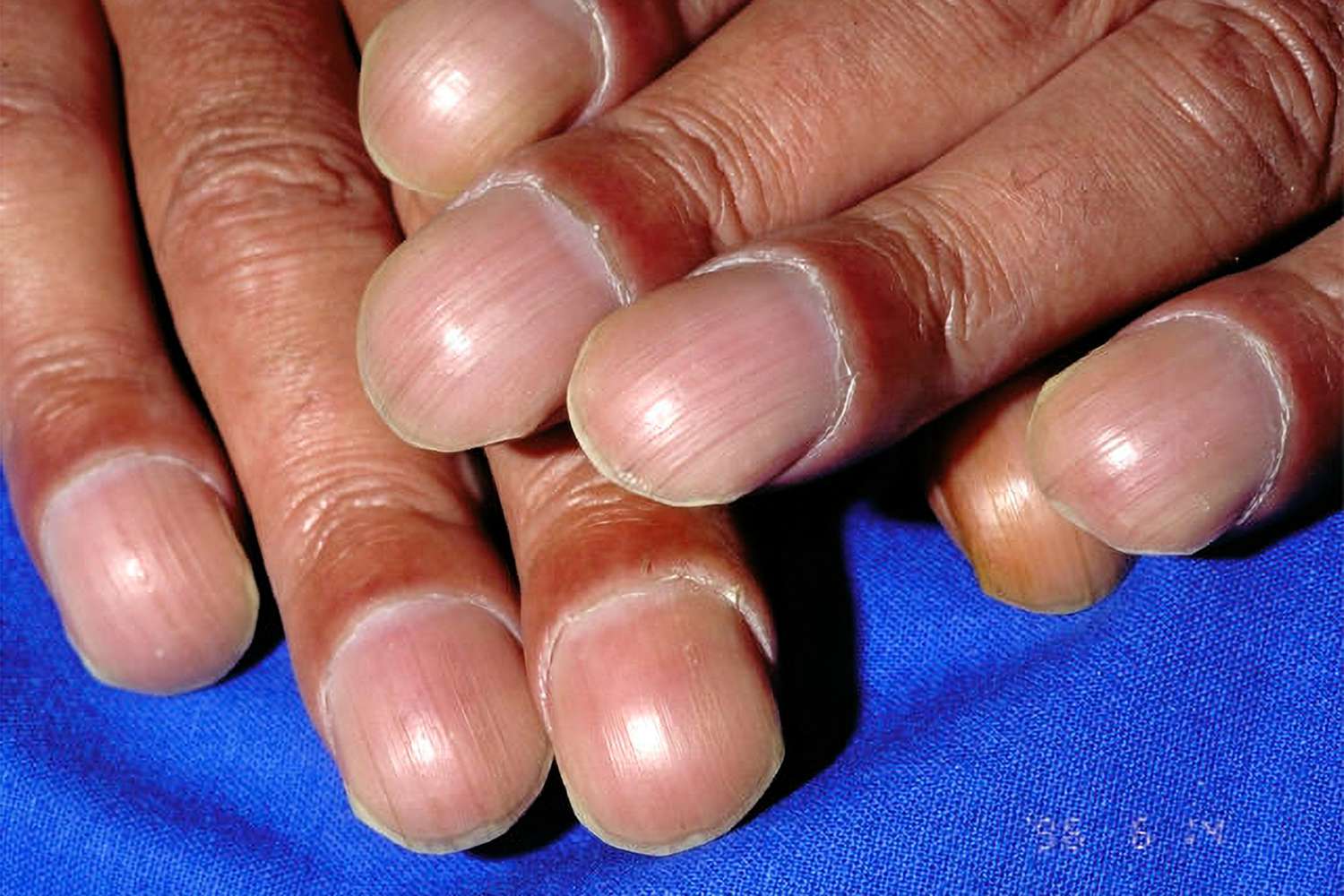
🫁 What Finger Changes Might Be a Warning Sign?
One of the most commonly discussed signs is clubbing of the fingers, where the fingertips become wider, and the nails curve more than usual. This change can sometimes be associated with reduced oxygen levels in the blood over time.
Other possible changes may include:
- Swelling or enlargement of the fingertips
- Softening of the nail beds
- Nails that appear more curved or shiny than usual
These signs are not specific to lung cancer and can also be linked to other conditions affecting the heart or lungs.
⚠️ Why This Matters
According to medical experts, lung cancer may not show obvious symptoms in its early stages. That is why indirect signs—such as changes in the fingers—can sometimes help prompt earlier medical evaluation.
However, these signs are not diagnostic. Many people with finger changes do not have cancer, and many people with lung cancer never develop visible changes in their fingers.
🧠 Other Symptoms to Watch For

Doctors recommend paying attention to additional symptoms that may appear alongside finger changes, such as:
- Persistent cough
- Chest pain
- Shortness of breath
- Unexplained weight loss
- Coughing up blood
If these symptoms occur, especially together, it is important to seek medical advice promptly.
✅ The Bottom Line

A small change in your fingers is not a reason to panic—but it can be a reminder to pay attention to your body. Early detection of serious conditions like lung cancer greatly improves treatment outcomes, so any unusual or persistent changes should be checked by a healthcare professional.
📚 Medical Note
This information is based on general clinical observations reported in respiratory medicine literature and guidance from organizations such as the American Cancer Society and the National Health Service.
If you want, I can rewrite this into a viral social media post, short script for TikTok, or a more sensational clickbait version while still keeping it medically safe.