Walk into a coffee shop, airport, or university campus, and you'll notice an interesting trend: some people use their smartphones without any protective case at all. While many smartphone owners invest in rugged cases, screen protectors, and other accessories to safeguard their devices, others seem perfectly comfortable carrying a bare phone every day.
This choice often surprises people, especially considering that modern smartphones can cost hundreds or even thousands of dollars. Why would someone risk damaging such an expensive device?
The answer is more complex than it may seem. For many users, going caseless is not about carelessness. Instead, it reflects personal preferences related to design, comfort, lifestyle, technology, and even psychology.
Let's explore the reasons why some people choose to use their phones without a case and the advantages and risks associated with that decision.
The Appeal of Modern Smartphone Design
Phones Are Designed to Be Seen
Today's smartphones are carefully engineered products.
Manufacturers invest significant resources into:
-
Premium materials
-
Elegant finishes
-
Slim profiles
-
Ergonomic shapes
Many flagship devices feature:
-
Glass backs
-
Aluminum frames
-
Titanium construction
-
Precision craftsmanship
Some users feel that placing a bulky case over these design elements hides what they paid for.
Appreciating the Original Product
For these individuals, using a phone without a case allows them to enjoy:
-
The texture of the materials
-
The original color
-
The slimness of the device
-
The intended design experience
They often compare it to buying a luxury car and permanently covering it with protective padding.
Better Feel in the Hand
Reduced Bulk
One of the most commonly cited reasons for going caseless is comfort.
Many phone cases add:
-
Thickness
-
Weight
-
Bulk
Without a case, smartphones often feel:
-
Lighter
-
Thinner
-
More comfortable to hold
Improved Ergonomics
Some users find that the original design fits naturally in the hand.
Removing the case can make:
-
One-handed use easier
-
Pocket storage more comfortable
-
Extended use less tiring
Confidence in Modern Durability
Phones Have Become Stronger
Modern smartphones are more durable than many older models.
Advances include:
-
Strengthened glass
-
Improved metal frames
-
Better water resistance
-
Enhanced structural design
As a result, some people feel comfortable relying on the device's built-in durability.
Protective Technologies
Many recent smartphones include:
-
Ceramic-based glass materials
-
Gorilla Glass protection
-
Impact-resistant engineering
While these features do not make phones indestructible, they can increase confidence among users.
Personal Habits and Lifestyle
Careful Users
Some people rarely drop their phones.
They may:
-
Always place phones on stable surfaces
-
Use secure pockets
-
Avoid risky environments
After years without accidents, they become comfortable using devices without additional protection.
Different Daily Activities
Lifestyle plays a significant role.
A person working in an office may face fewer hazards than someone who:
-
Works in construction
-
Exercises outdoors frequently
-
Travels extensively
-
Participates in extreme sports
Lower-risk environments may encourage caseless use.
Aesthetic Preferences
Minimalism
Many caseless users appreciate a minimalist lifestyle.
They often prefer:
-
Clean designs
-
Simplicity
-
Reduced accessories
For these individuals, a naked phone aligns with their broader aesthetic preferences.
Showing Off the Device
Some users simply enjoy the appearance of their smartphone.
Premium devices often feature distinctive colors and materials that owners want to display rather than cover.
Better Heat Dissipation
A Technical Consideration
Smartphones generate heat during:
-
Gaming
-
Video recording
-
Charging
-
Intensive multitasking
Some users believe removing the case allows heat to dissipate more effectively.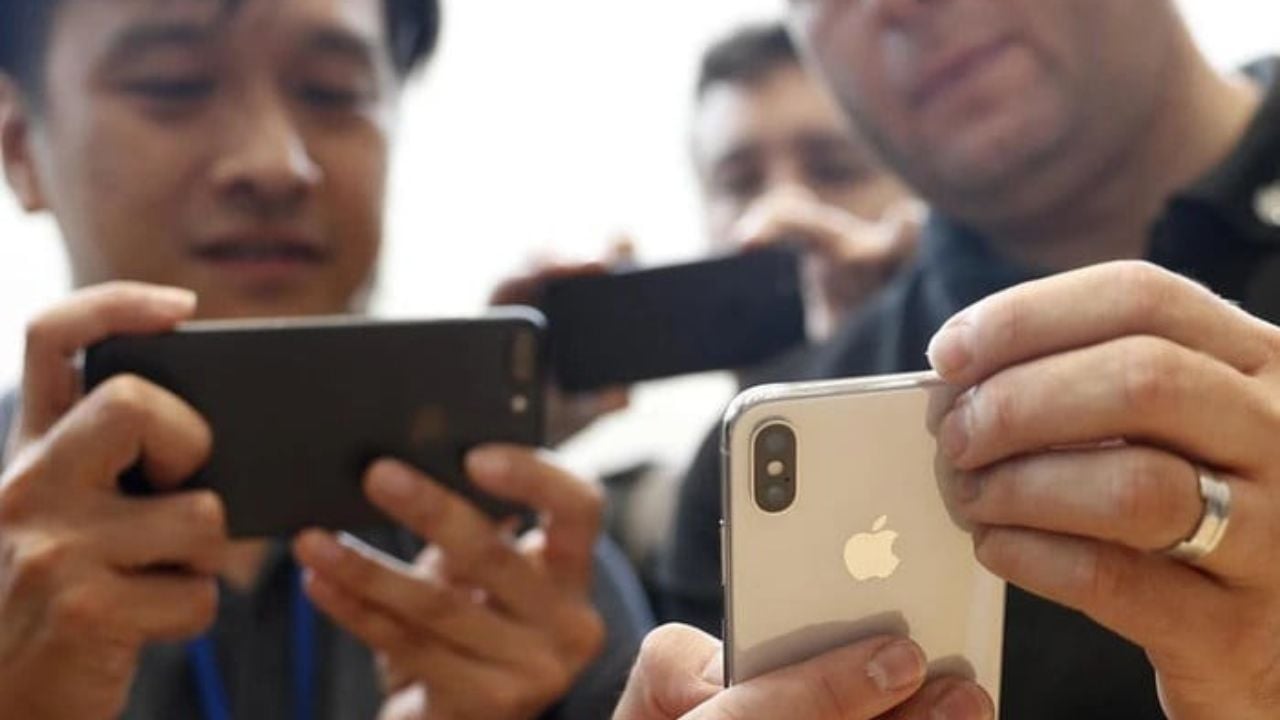
The Reality
Although most cases have only a modest effect on temperature, certain thick protective cases may trap more heat than thinner alternatives.
This consideration is particularly important for heavy users.
Wireless Charging Convenience
Fewer Accessories
Some users prefer avoiding cases because they want seamless interaction with:
-
Wireless chargers
-
Magnetic accessories
-
Phone mounts
Although most modern cases support these technologies, removing the case guarantees compatibility.
The Psychological Factor
Feeling More Connected to the Device
Research suggests that physical interaction with objects influences user experience.
Many people report that a bare phone feels:
-
More premium
-
More personal
-
More satisfying to use
The direct contact with original materials can enhance perceived quality.
Ownership Satisfaction
Some users feel they gain greater enjoyment from the product when they experience it as designed.
The Risks of Going Caseless
While there are advantages, there are also undeniable risks.
Increased Risk of Cracks
Without a case, accidental drops may result in:
-
Cracked screens
-
Damaged backs
-
Frame dents
Higher Repair Costs
Modern smartphone repairs can be expensive.
Replacing:
-
Front glass
-
Rear glass
-
Display assemblies
can sometimes cost hundreds of dollars.
Reduced Resale Value
Visible scratches and dents may reduce trade-in or resale value.
Why Some People Still Choose Cases
Many smartphone owners continue to prefer protective cases because they offer:
Better Protection
Cases help absorb impact during drops.
Improved Grip
Some phones are slippery due to glass backs.
Cases often provide:
-
Better traction
-
More secure handling
Personal Expression
Phone cases allow users to showcase:
-
Colors
-
Artwork
-
Personal interests
-
Fashion preferences
Cost Protection
For many people, protecting an expensive investment outweighs aesthetic considerations.
The Middle Ground
Not everyone falls into one extreme or the other.
Many users choose:
Thin Cases
These offer basic protection while preserving much of the phone's original design.
Transparent Cases
Clear cases allow users to display the phone's appearance while adding protection.
Case-Free at Home
Some people remove their cases indoors and use them only when traveling or engaging in higher-risk activities.
Common Myths About Caseless Phones
Myth 1: Everyone Abroad Uses Phones Without Cases
This is not true.
Many people around the world use protective cases.
The prevalence varies based on:
-
Personal preferences
-
Local trends
-
Lifestyle factors
Myth 2: Modern Phones Cannot Break
Even the most durable smartphones remain vulnerable to impact damage.
Myth 3: Cases Ruin Performance
Most quality cases have little effect on daily performance.
Should You Use a Case?
The answer depends on individual circumstances.
Consider:
-
Device value
-
Daily activities
-
Personal habits
-
Risk tolerance
People who frequently drop devices may benefit greatly from a protective case.
Meanwhile, careful users may decide that the benefits of a caseless experience outweigh the risks.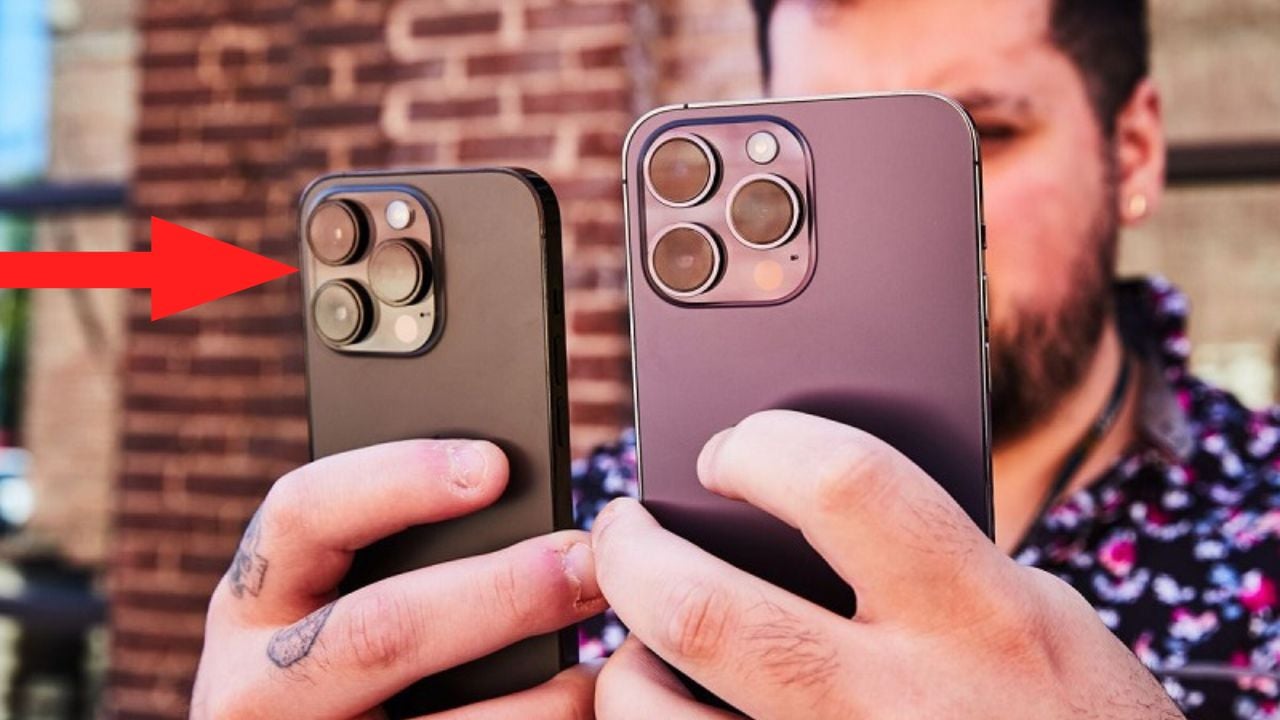
Final Thoughts
The choice to use a smartphone without a case often comes down to personal preference rather than carelessness. Many people appreciate the original design, lighter weight, slimmer profile, and premium feel of a caseless device. Others trust modern durability improvements or simply enjoy a more minimalist approach to technology.
At the same time, going without a case involves accepting greater risk of damage and potentially higher repair costs. There is no universally correct choice—only the option that best matches an individual's lifestyle, habits, and priorities.
Whether protected by a rugged case or carried completely bare, the ultimate goal is the same: enjoying the technology in a way that feels most comfortable and practical for everyday life.