3 Everyday Habits That May Increase Cervical Cancer Risk Awareness in Women
Cervical cancer is one of the most common cancers affecting women worldwide. The primary cause is persistent infection with high-risk strains of the Human Papillomavirus (HPV), a virus transmitted through sexual contact. While many factors contribute to risk, research shows that certain lifestyle and intimate behaviors within a relationship may indirectly influence a woman’s exposure and overall health.
Understanding these risk factors is not about blame, but about awareness and prevention. Here are three important habits that can increase risk if proper precautions are not taken.

1. Lack of Safe Sexual Practices
One of the most significant factors related to cervical cancer risk is exposure to HPV. When safe sex practices such as condom use are not consistently followed, the likelihood of transmission of HPV and other infections increases.
HPV is very common, and many people may carry it without symptoms. However, persistent infection with high-risk types can lead to abnormal changes in cervical cells over time.
Using protection, maintaining mutual monogamy, and having regular health screenings can significantly reduce this risk.
2. Smoking and Exposure to Secondhand Smoke
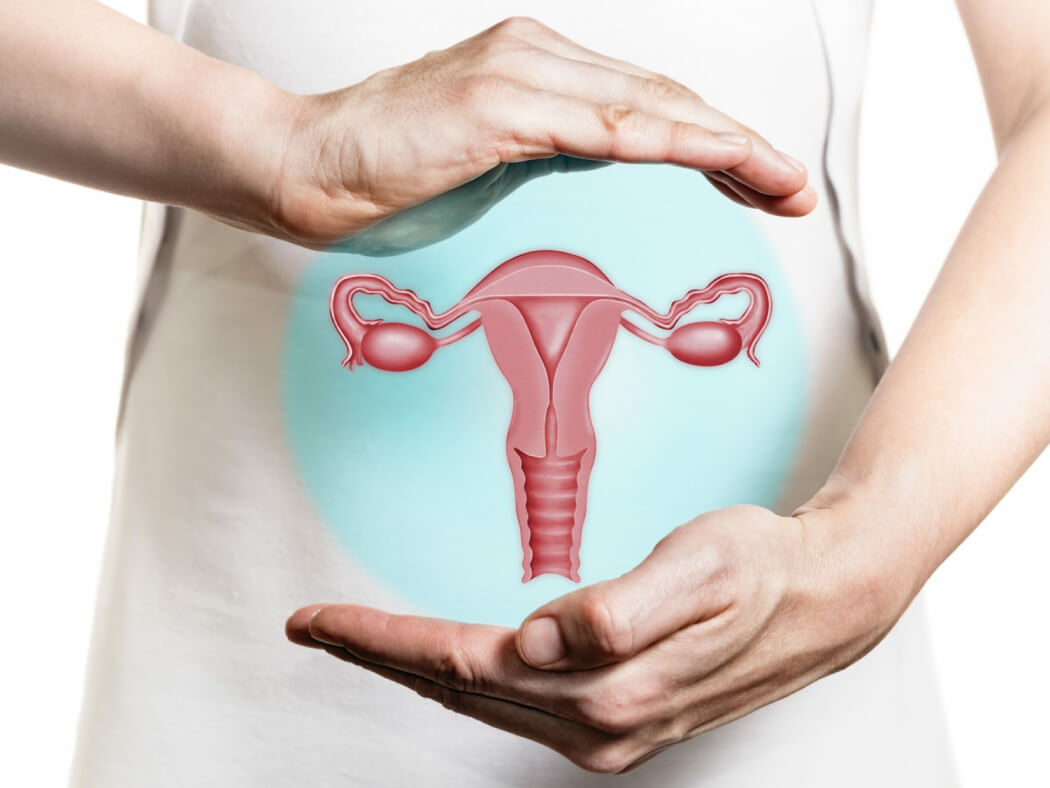
Smoking is another well-established risk factor for cervical cancer. Harmful chemicals from tobacco can weaken the immune system, making it harder for the body to clear HPV infections.
In addition, exposure to secondhand smoke at home can also negatively affect women’s reproductive health. Long-term exposure increases inflammation and cellular damage, which may contribute to the development of cervical abnormalities.
Quitting smoking and maintaining a smoke-free environment are important steps for protecting long-term health.
3. Poor Awareness of Reproductive Health and Hygiene
Lack of awareness about reproductive health—including irregular check-ups, ignoring early symptoms, or poor genital hygiene practices—can also increase risks indirectly.
Cervical cancer often develops slowly and without clear early symptoms. This is why routine screening (such as Pap smears or HPV testing) is essential for early detection and prevention.
Maintaining good personal hygiene, practicing safe intimacy, and attending regular medical check-ups all play a key role in reducing risk.
Final Thoughts
Cervical cancer is largely preventable with proper awareness, vaccination, and routine screening. While lifestyle and relationship factors can influence risk, the most important message is prevention through education and shared responsibility.
Early detection saves lives, and open communication between partners about health is one of the strongest tools for protection.