But there is a major difference between a physical sign that may provide a clue about health and a measurement that can predict lifespan.
A nail groove may sometimes indicate that growth was interrupted. A change in nail color may occasionally be associated with a medical condition. A particular nail shape can sometimes prompt doctors to investigate the lungs, heart, liver, kidneys, or other systems.
None of these observations can be translated directly into an individual's remaining years.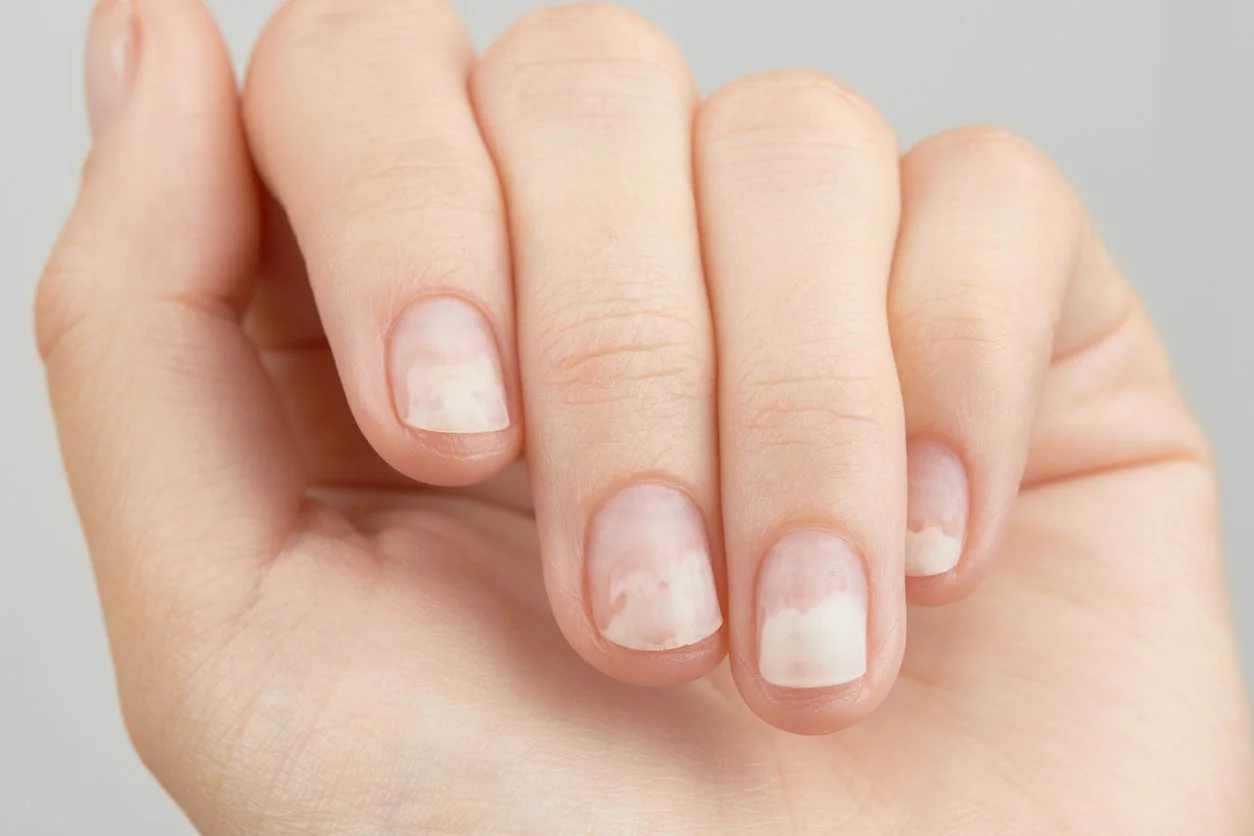
Why a nail line cannot calculate lifespan
Life expectancy is influenced by many factors. These include age, genetics, cardiovascular health, cancer risk, infections, lifestyle, access to medical care, environmental conditions, and the presence or absence of chronic diseases.
Even sophisticated medical assessments cannot predict the exact lifespan of an individual with certainty.
A nail line provides far less information. It is only one physical observation, and many different causes can produce similar changes.
For example, a horizontal groove may appear after a temporary illness. The same type of groove can also occur following an injury or another event affecting nail growth.
The appearance of the groove does not reveal the full medical history, the severity of the original event, or the person's current overall health.
A person with visible nail ridges may be perfectly healthy. Another person with smooth, attractive nails may have an underlying medical condition that cannot be seen externally.
That is why nail appearance should not be used as a stand-alone measure of health or longevity.
What the claim associated with Dr. David Sinclair gets wrong
The screenshot attributes a claim to Dr. David Sinclair, suggesting that he examines fingernails to determine how rapidly a person is aging and that nail growth may indicate life expectancy.
The general idea that nails can reflect aspects of health is reasonable. However, the specific claim that nail lines can determine how long someone will live is not an established medical method.
Nail growth can be influenced by age, circulation, nutrition, illness, medication, injury, and individual biological differences. But the speed of nail growth is not a validated personal life-expectancy calculator.
It is also important to distinguish research into aging from popular interpretations of that research. Scientists investigate many measurable features of biological aging, including cellular changes, metabolic processes, inflammation, and functional decline.
A visible line on a fingernail cannot replace those complex assessments.
What nail changes can tell us more realistically
Nails may provide clues in several situations:
-
A horizontal groove may indicate a temporary interruption in nail growth.
-
Spoon-shaped nails may be associated with iron deficiency or other conditions.
-
Clubbing, in which the fingertips become enlarged and the nails curve more than usual, can sometimes be associated with heart or lung disease.
-
Yellow, thickened nails may be associated with fungal infection or other conditions.
-
Unusual white or dark discoloration may have several possible explanations, some of which require examination.
-
Nail separation from the nail bed can occur because of injury, infection, skin conditions, or other medical causes.
These findings do not provide a lifespan estimate. They are possible clues that need to be interpreted in context.
The most useful question is not whether a line predicts death. It is whether a change is new, persistent, unusual, or accompanied by symptoms that deserve medical attention.
Chapter 3: Beau's Lines—The Horizontal Grooves That Can Record a Period of Stress
Among the different nail changes, Beau's lines are particularly interesting because they can reflect a period when nail growth was temporarily disrupted.
They appear as horizontal indentations that cross the nail plate. Depending on the cause, they may affect one nail or several nails. Some are shallow and difficult to notice, while others create a deeper groove that can be felt when running a finger gently across the surface.
The lines form because the nail matrix temporarily produces nail cells at a reduced rate or stops producing them for a period. When normal growth resumes, the affected section moves forward with the rest of the nail.
What can cause Beau's lines?
There are several possible causes, and the context matters.
A serious illness or high fever: When the body experiences a significant illness, nail growth may temporarily slow. A groove can become visible later as the nail grows outward.
Physical stress: Major surgery, severe injury, or another substantial physical event may affect the nail matrix and interrupt normal growth.
Certain medications: Some medicines, including certain treatments used for serious illnesses, can influence rapidly dividing cells and may affect nail growth.
Local injury: A direct blow to the nail or damage near its base can interfere with the nail matrix. In such cases, a groove may affect only the injured nail.
Inflammatory conditions: Certain skin or systemic conditions may affect the structures responsible for producing healthy nails.
The presence of a groove does not reveal which cause is responsible. A medical professional may need to consider the person's recent illnesses, medications, injuries, and other symptoms.
Can the position of a groove tell when an illness happened?
Sometimes, the location of a Beau's line can provide a rough clue about timing.
Fingernails grow gradually from the matrix toward the fingertip. A groove that is close to the base of the nail is generally more recent than one that has moved farther toward the tip.
However, this is not an exact calendar. Nail growth varies between people and can be affected by age, health, circulation, the specific finger, and other factors.
A doctor may use the position of a groove as one piece of information when discussing a past illness or event, but it cannot establish an exact date by itself.
Why several nails may show similar grooves
If a major event affects the body as a whole, more than one nail may show a change because the nail matrices can be affected around the same period.
For example, after a significant illness, a person might later notice horizontal grooves across several fingernails.
If only one nail is affected, local injury or a condition affecting that particular nail may be more likely, although this is not a rule.
The number of affected nails is therefore useful information, but it does not provide a diagnosis on its own.