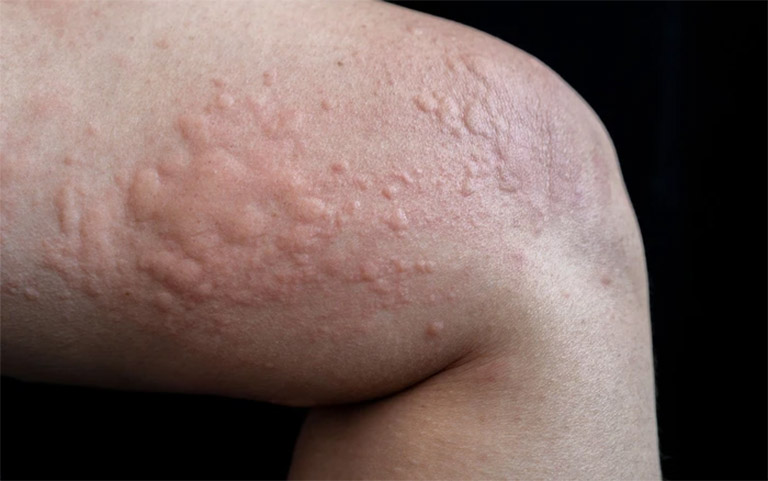
Hives, medically known as urticaria, are a common skin reaction that can appear suddenly and often disappear just as quickly. They typically show up as raised, red or pale welts on the skin that may itch, burn, or sting. While hives are often associated with allergies, the truth is that many different factors can trigger them — some of which people rarely suspect.
For many individuals, discovering the real cause of hives can be confusing. Sometimes the reaction is linked to a clear trigger such as food or medication, but in other cases the cause may remain hidden or unexpected. Understanding these potential triggers can help people recognize patterns and take steps to protect their skin.
Although hives are usually temporary and harmless, persistent or severe cases should always be evaluated by a healthcare professional.
What Happens in the Body When Hives Appear
Hives occur when the immune system releases chemicals, especially histamine, into the bloodstream. Histamine causes tiny blood vessels in the skin to leak fluid into surrounding tissues, producing the characteristic swelling and redness.
This reaction can occur for many reasons, including allergic responses, environmental exposure, or internal factors within the body.
The resulting welts may vary in size and shape. Some disappear within minutes, while others last several hours or even days.
Common and Surprising Triggers of Hives
Many people associate hives only with food allergies, but the list of possible triggers is much broader. Below are some of the most common — and sometimes surprising — causes.
1. Stress and Emotional Tension
Stress does not only affect the mind; it can also influence the immune system.
During periods of high emotional stress, the body releases hormones such as cortisol and adrenaline. These changes can increase inflammation and stimulate histamine release in the skin.
Some individuals experience stress-induced hives, especially during periods of anxiety, major life changes, or emotional pressure.
In these cases, managing stress through relaxation techniques, exercise, or adequate sleep may help reduce flare-ups.
2. Certain Foods
Food allergies remain one of the most widely recognized triggers of hives.
Common food-related triggers include:
-
Shellfish
-
Peanuts and tree nuts
-
Eggs
-
Milk
-
Wheat
-
Soy
In some people, even naturally occurring chemicals in foods, such as histamine in aged cheese or fermented products, can provoke skin reactions.
Food-related hives typically appear shortly after eating the trigger food.
3. Medications
Some medications can trigger hives as a side effect or allergic reaction.
Common examples include:
-
Antibiotics (especially penicillin)
-
Aspirin
-
Nonsteroidal anti-inflammatory drugs (NSAIDs)
-
Certain blood pressure medications
Medication-related hives may appear within hours or days after taking the drug. If medication is suspected as a cause, medical advice should be sought before discontinuing treatment.
4. Temperature Changes
Extreme temperatures can sometimes trigger hives.
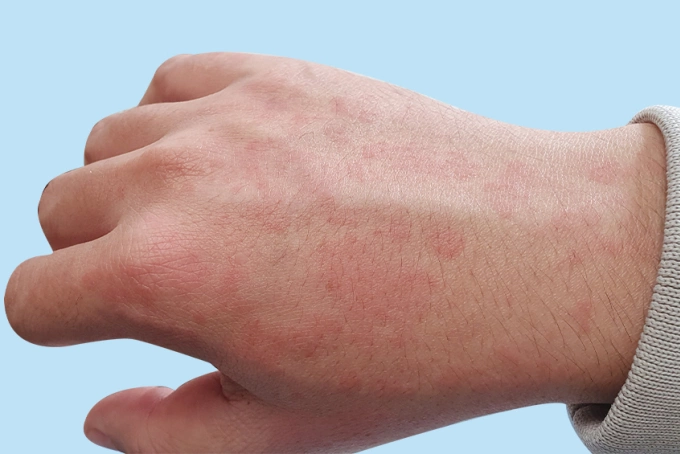
Types of temperature-related urticaria include:
Cold urticaria:
Exposure to cold air, water, or objects can produce hives on exposed skin.
Heat urticaria:
Hot showers, warm environments, or fever may trigger reactions.
Cholinergic urticaria:
Small hives may appear when body temperature rises due to exercise, stress, or hot weather.
These reactions occur because temperature changes stimulate the release of histamine in sensitive individuals.
5. Pressure on the Skin
Sometimes hives appear after prolonged pressure on certain areas of the body.
Examples include:
-
Tight clothing
-
Sitting for long periods
-
Carrying heavy bags
-
Wearing belts or straps
This type of reaction, known as pressure urticaria, may develop several hours after the pressure occurs.
6. Infections
Certain infections can also trigger hives, particularly viral illnesses.
Examples include:
-
Common colds
-
Influenza
-
Sinus infections
-
Some bacterial infections
In these cases, the immune system’s response to the infection may stimulate histamine release and produce skin symptoms.
Children often develop hives during viral illnesses even when no allergy is present.
7. Environmental Factors
Environmental triggers can also provoke hives in sensitive individuals.
Possible factors include:
-
Pollen
-
Animal dander
-
Dust mites
-
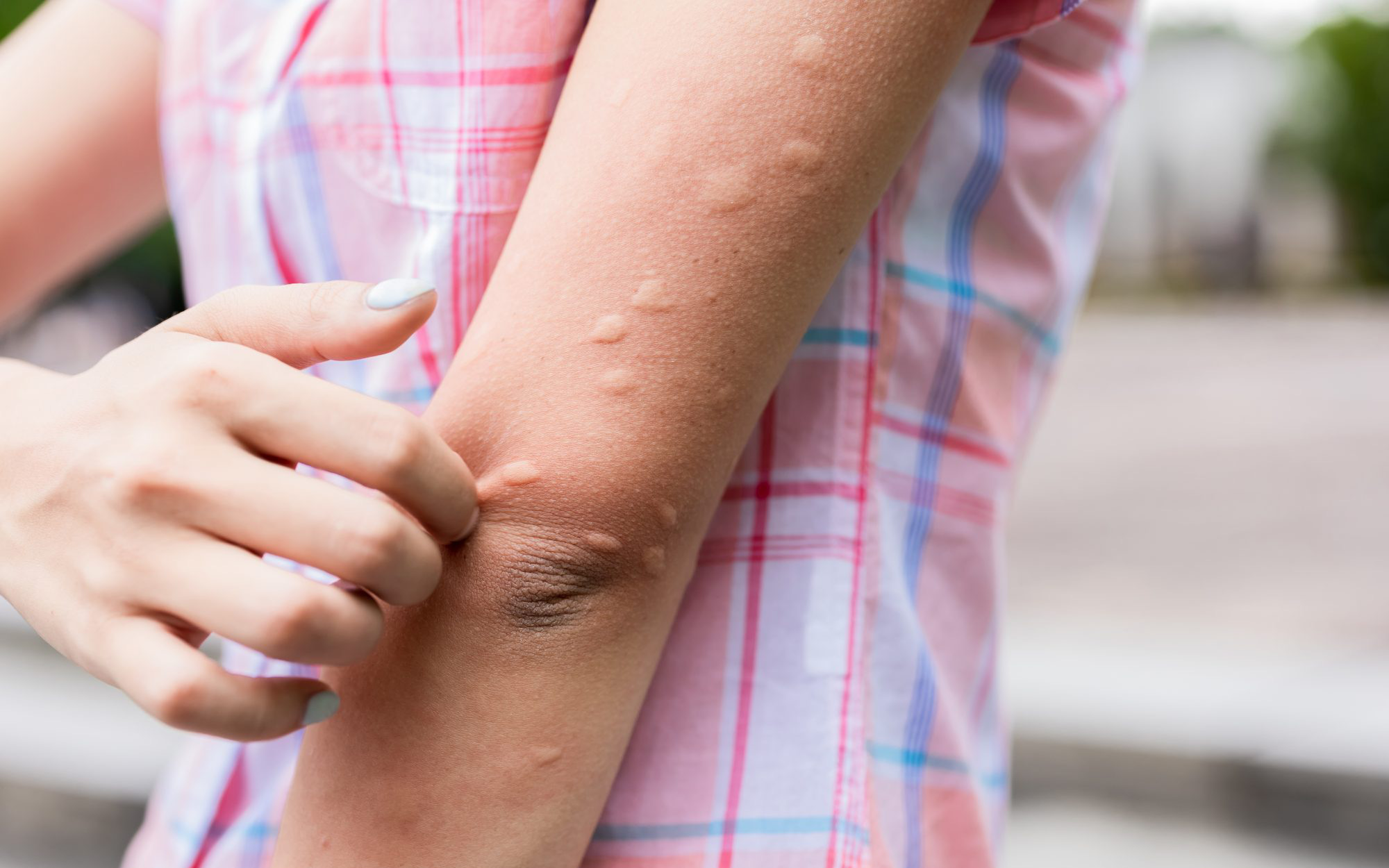
Insect bites or stings
-
Chemicals in skincare products
Contact with irritants may lead to localized hives or broader allergic reactions depending on the person’s sensitivity.
Chronic Hives Without a Clear Cause
In some individuals, hives occur repeatedly for weeks or months without a clear trigger. This condition is known as chronic spontaneous urticaria.
In these cases, the immune system may become overactive without a specific external cause.
Although frustrating, chronic hives often improve over time with appropriate medical guidance and treatment.
Symptoms That Often Accompany Hives
In addition to raised welts, people with hives may experience:
-
Itching or burning sensations
-
Swelling of lips or eyelids
-
Skin redness
-
Changing shape or location of the welts
Hives may appear anywhere on the body, including the arms, legs, face, or torso.
When to Seek Medical Attention
While most cases of hives are mild and temporary, certain symptoms require immediate medical care.
Emergency symptoms include:
-
Difficulty breathing
-
Swelling of the throat or tongue
-
Dizziness or fainting
-
Rapid spread of swelling
These signs may indicate anaphylaxis, a severe allergic reaction that requires urgent treatment.
Managing and Preventing Hives
Managing hives often involves identifying and avoiding triggers when possible.
Helpful steps may include:
-
Keeping a symptom diary to track possible triggers
-
Avoiding known allergens
-
Managing stress levels
-
Wearing loose clothing to reduce pressure on the skin
-
Using gentle skincare products
Doctors may recommend antihistamines or other medications in persistent cases.
Final Thoughts
Hives can appear suddenly and may be caused by a wide range of triggers — from food allergies and medications to stress, infections, or environmental factors. Because the immune system plays a central role in these reactions, the causes are sometimes complex and unexpected.
Understanding potential triggers is the first step toward managing symptoms and protecting skin health.
Although hives are usually temporary, persistent or severe reactions should always be evaluated by a healthcare professional. Early identification of triggers can help prevent future episodes and provide peace of mind.
Sometimes the body’s reactions are simply signals — reminders that something in the environment or within the body needs attention. Listening carefully to those signals can lead to better skin health and overall well-being.