What Really Happens to Your Body When You Eat Beetroot Regularly
Beetroot is often praised as a nutritious vegetable, but the effects it has on the body may not be as simple as many people think. While it offers a range of health benefits, regular consumption can also lead to noticeable changes that may surprise some individuals.
So, what actually happens when beetroot becomes part of your daily diet?
A Nutrient-Dense Vegetable
Beetroot is rich in essential nutrients such as:
- Fiber
- Folate
- Iron
- Antioxidants
It is also known for its natural nitrates, which play a role in improving blood circulation and overall cardiovascular health.
Supports Heart Health
One of the most well-known effects of beetroot is its ability to support heart function.
The nitrates in beetroot can help:
- Relax blood vessels
- Improve blood flow
- Potentially lower blood pressure
This makes it a popular choice for people looking to support cardiovascular health naturally.
May Enhance Physical Performance
Beetroot is often consumed by athletes due to its potential to improve endurance.
Better oxygen flow in the body may:
- Increase stamina
- Delay fatigue during exercise
This is why beetroot juice is commonly included in fitness routines.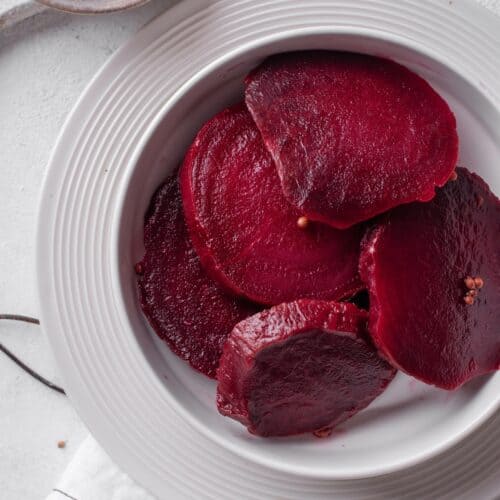
Supports Detoxification and Liver Function
Beetroot contains compounds that may support the liver’s natural detox processes.
Regular consumption can help:
- Reduce oxidative stress
- Support the body’s cleansing mechanisms
Unexpected Changes in Urine and Stool
One of the most surprising effects of eating beetroot is the change in color of urine or stool.
Some people may notice:
- Pink or reddish urine
- Red-tinted stool
This condition, known as beeturia, is generally harmless but can be alarming if unexpected.
May Affect Kidney Health in Some Cases
Beetroot is high in oxalates, which in large amounts may contribute to kidney stone formation in susceptible individuals.
This does not mean beetroot is harmful, but it should be consumed in moderation—especially for those with a history of kidney stones.
Why Moderation Matters
Like many healthy foods, beetroot offers benefits when eaten in reasonable amounts.
Overconsumption may lead to:
- Digestive discomfort
- Excess intake of certain compounds
Balance is key to getting the most out of this vegetable.
Conclusion
Beetroot is both beneficial and complex. While it supports heart health, endurance, and detoxification, it can also cause unexpected changes in the body.
Understanding both sides helps you make better dietary choices—without unnecessary worry.