Myth 6: Urine disinfects the shower.
Urine is not a disinfectant. It should not be used to clean surfaces or wounds. Rinsing and regular cleaning with appropriate products are the sensible approach.
Separating evidence-based information from exaggerated claims makes it easier to make reasonable decisions without unnecessary embarrassment or fear.
13. When Should You Be Concerned About Your Urination Habits?
The act of urinating in the shower is generally not the main health concern. Changes in urinary function are much more important.
Consider speaking with a healthcare professional if you notice:
-
Burning or pain when urinating.
-
A persistent need to urinate more often than usual.
-
Sudden, intense urgency that interferes with daily life.
-
Leakage before reaching the toilet.
-
Difficulty starting your urine stream.
-
A weak stream or a persistent feeling that your bladder has not emptied.
-
Repeated blood in your urine.
-
Recurrent urinary tract infections.
-
New urinary symptoms accompanied by pelvic or abdominal discomfort.
Blood in the urine should be medically assessed even if it appears only once.
Seek urgent medical care if you cannot urinate despite a full or painful bladder, especially if the discomfort is severe.
Fever with side or back pain, vomiting, or feeling seriously unwell may indicate a more significant urinary infection and requires prompt evaluation.
Sudden loss of bladder control accompanied by new leg weakness, numbness around the groin or buttocks, or severe back pain can indicate a neurological emergency. Seek emergency care immediately.
These warning signs are not caused specifically by shower urination, but recognizing them is an important part of maintaining urinary health.
14. Simple Ways to Maintain a Healthy Bladder
Regardless of whether you urinate in the shower, several everyday habits can support bladder health.
Drink an appropriate amount of fluid
Most people benefit from drinking enough fluid to avoid dehydration, but individual needs vary with activity, weather, health conditions, and medication use.
There is no need to force yourself to drink excessive amounts of water. People with heart or kidney conditions may have specific fluid recommendations from their healthcare team.
Avoid repeatedly delaying urination when you are uncomfortable
It is normal to delay urination occasionally when necessary. However, repeatedly ignoring strong urges may be uncomfortable and can interfere with a sensible bathroom routine.
If you have been given specific instructions because of a medical condition, follow your clinician's advice.
Pay attention to caffeine and other potential bladder irritants
Caffeine can increase urinary frequency or urgency in some people. Alcohol and certain foods or drinks may also affect symptoms in susceptible individuals.
If urgency is bothersome, consider tracking what you drink and whether particular items appear to worsen your symptoms.
Do not eliminate large categories of food or drink unnecessarily. Individual responses differ.
Maintain good bathroom hygiene
Rinse the shower after use, clean bathroom surfaces regularly, and wash your hands after using the toilet.
Avoid harsh cleansers or unverified products in the genital area.
Seek help for persistent symptoms
Bladder symptoms are common and often treatable. A healthcare professional can help determine whether they are related to infection, overactive bladder, pelvic floor dysfunction, medication effects, or another cause.
Early assessment may prevent unnecessary discomfort and help identify conditions that require treatment.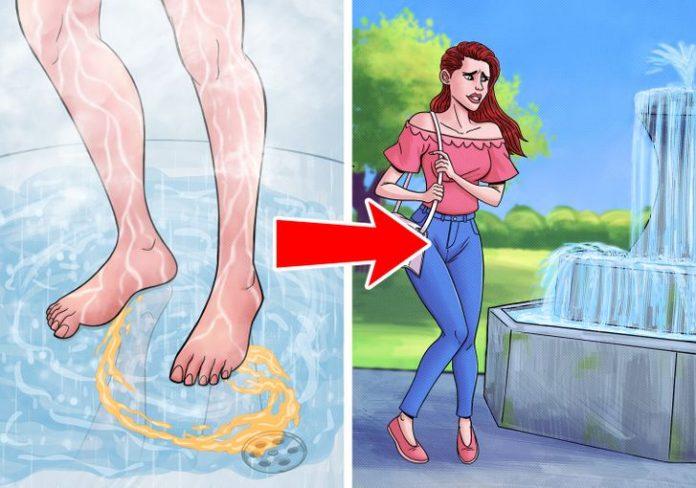
Final Thoughts: Is Peeing in the Shower Something You Need to Worry About?
For most healthy adults, occasionally peeing in their own shower is generally harmless. It does not fundamentally change how the kidneys or bladder work, and there is no strong evidence that the habit alone causes urinary tract infections, weakens the pelvic floor, or inevitably leads to an overactive bladder.
The sound of running water may trigger an urge to urinate in some people because the brain learns associations between familiar situations and bodily sensations. This is not necessarily a sign of disease.
Peeing in the shower may also save a toilet flush in some circumstances, although the overall water savings depend on how the shower is used.
The most sensible approach is to maintain ordinary hygiene, rinse the area after use, clean the shower regularly, and avoid turning an everyday habit into a source of unnecessary anxiety.
More importantly, pay attention to symptoms that deserve medical evaluation. Burning, persistent urgency, blood in the urine, difficulty urinating, or recurrent infections should not be dismissed as ordinary consequences of your shower routine.
The real lesson is that your health is determined by far more than one bathroom habit. What matters most is understanding your body, practicing reasonable hygiene, and recognizing when a genuine symptom needs attention.
You do not need to feel embarrassed about asking questions concerning your body. The more accurately you understand everyday health issues, the easier it becomes to make informed decisions.